PCOS Now Renamed as PMOS as Experts Redefine Women Health Disorder After 10 Year Debate
Medical experts have renamed PCOS as PMOS after a decade long review highlighting its metabolic and hormonal complexity beyond ovarian cysts while urging better awareness and early diagnosis among women worldwide
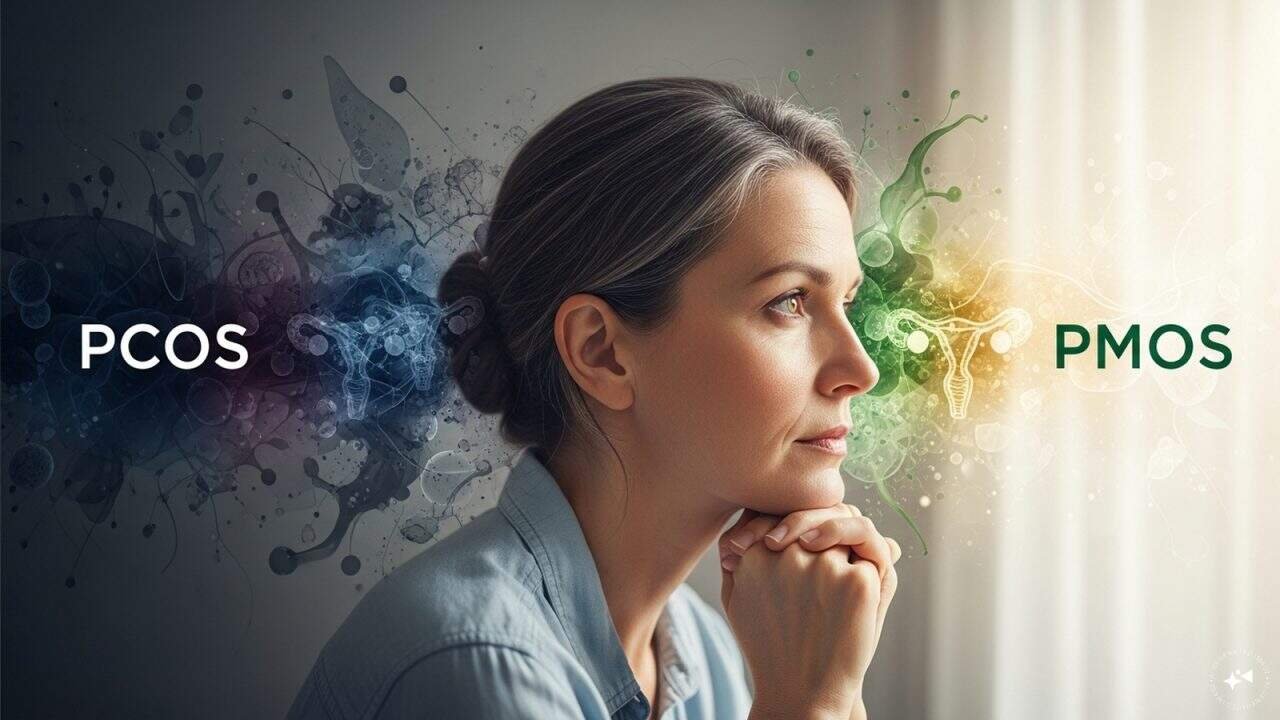
For years, women experiencing irregular periods, sudden weight gain and hormonal imbalance have often been diagnosed with Polycystic Ovary Syndrome. However, medical experts now believe that the condition was never fully represented by its old name. After nearly a decade of global discussion, the disorder has officially been renamed PMOS, marking a major shift in how the disease is understood.
The change comes after endocrinologists and researchers reviewed long standing data and concluded that the earlier term PCOS was too narrow. Many women diagnosed with the condition do not even show ovarian cysts, which made the older name misleading. Experts felt that a broader medical identity was needed to reflect the real complexity of the disorder.
Under the new term PMOS, the condition is now defined as Polyendocrine Metabolic Ovarian Syndrome. The updated name highlights that this is not just an ovarian issue but a multi system disorder affecting hormones, metabolism and reproductive health together. Medical journals, including recent discussions published in The Lancet, have supported this shift in understanding.
The term is structured to explain the condition more clearly. Polyendocrine refers to hormonal imbalance affecting the body’s endocrine system. Metabolic highlights risks like insulin resistance, obesity and diabetes. Ovarian reflects its impact on ovulation and menstrual cycles, while Syndrome indicates that it is a collection of interconnected health issues rather than a single problem.
Doctors explain that symptoms often begin subtly but gradually affect daily life. Irregular or missed periods are among the most common signs. Many women also experience weight gain that becomes difficult to control, along with acne and excess hair growth caused by increased androgen levels. Fertility challenges and insulin related issues are also frequently reported.
Beyond reproductive health, PMOS can have long term effects on overall well being. Studies show that women with this condition may face higher risks of type 2 diabetes, heart disease, fatty liver, high blood pressure and sleep related disorders. Mental health concerns such as anxiety and depression are also increasingly linked to the condition due to its hormonal impact.
In countries like India, experts say the name change is especially important because the condition is often misunderstood as only a fertility issue. In reality, it is a lifelong metabolic disorder that needs early detection and consistent management. Doctors hope that the new terminology will help people take it more seriously and encourage timely medical support.