Supreme Court Orders Release of Minors Calls for Fair Probe Into Protest Violence
The Supreme Court directed states to release detained minors immediately protect peaceful protesters from coercive action preserve all evidence and consider an independent investigation into violence involving protesters and police.
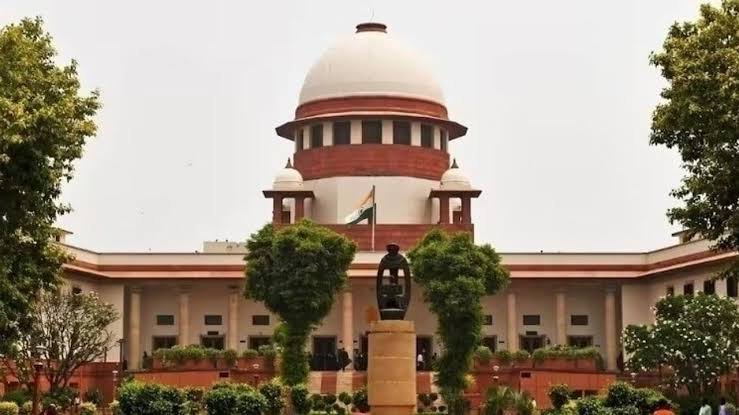
The Supreme Court has issued significant interim directions while hearing petitions related to alleged police excesses during student protests held at Jantar Mantar and several other locations across the country. Stressing that peaceful protest is a constitutional right, the court said authorities must ensure that innocent participants are not subjected to harsh or arbitrary action.
A bench comprising Chief Justice Surya Kant along with Justices Joymalya Bagchi and V Mohana observed that individuals without any criminal background should not face coercive measures simply for participating in demonstrations. The court also instructed all states to immediately release detained minors below the age of 18 who were arrested in connection with the protests.
The bench made it clear that anyone who resorted to violence or took the law into their own hands must face legal consequences. At the same time, it emphasized that the investigation should remain impartial and should also address concerns raised by the families of more than 200 police personnel who were reportedly injured during the clashes.
Highlighting the importance of protecting privacy, the Supreme Court directed police authorities not to publicly disclose the personal or digital information of protesters who do not have criminal antecedents. The judges underlined that legal rights must be protected even during law enforcement operations.
To ensure transparency, the court ordered that all evidence linked to the protests must be preserved. This includes CCTV footage from protest sites, drone recordings, body camera videos, and PCR communication records. These materials are expected to play a crucial role in establishing the sequence of events during the investigation.
The court also issued notices to the Chief Secretaries of Delhi, Maharashtra, Bihar, Kerala, Madhya Pradesh, and Uttar Pradesh, seeking their responses in the matter. It indicated that an investigation by a Special Investigation Team headed by a retired Supreme Court judge could be considered to ensure an independent examination of the allegations.
During the hearing, lawyers representing the petitioners alleged that police personnel used electric batons, pellet guns, and spiked lathis to disperse protesters. They further claimed that some officers dressed in plain clothes were involved in acts of violence during the operation. These allegations were brought before the bench as examples of excessive force.
Responding on behalf of the government, Solicitor General Tushar Mehta argued that while many students participated peacefully, some anti social elements and individuals with criminal backgrounds allegedly infiltrated the gatherings and attacked police personnel. He assured the court that if excessive force had been used against peaceful students, the government would treat the matter with seriousness.
The bench observed that the current guidelines governing the management of public protests may require revision in light of recent events. It suggested that an independent committee led by retired judges or a Special Investigation Team could conduct a balanced inquiry into allegations against both protesters and police officials.
The Supreme Court concluded that maintaining law and order and protecting constitutional freedoms must go hand in hand. It scheduled the matter for further hearing next week, when responses from the concerned states and additional submissions are expected to be considered.