Scientists Warn of Rising Flood Danger as Arunachal Glacier Shows Rapid Changess
A scientific study in Arunachal Pradesh found severe melting at the Khangri glacier, unstable land formations and a growing glacial lake that may threaten downstream regions with sudden flooding.
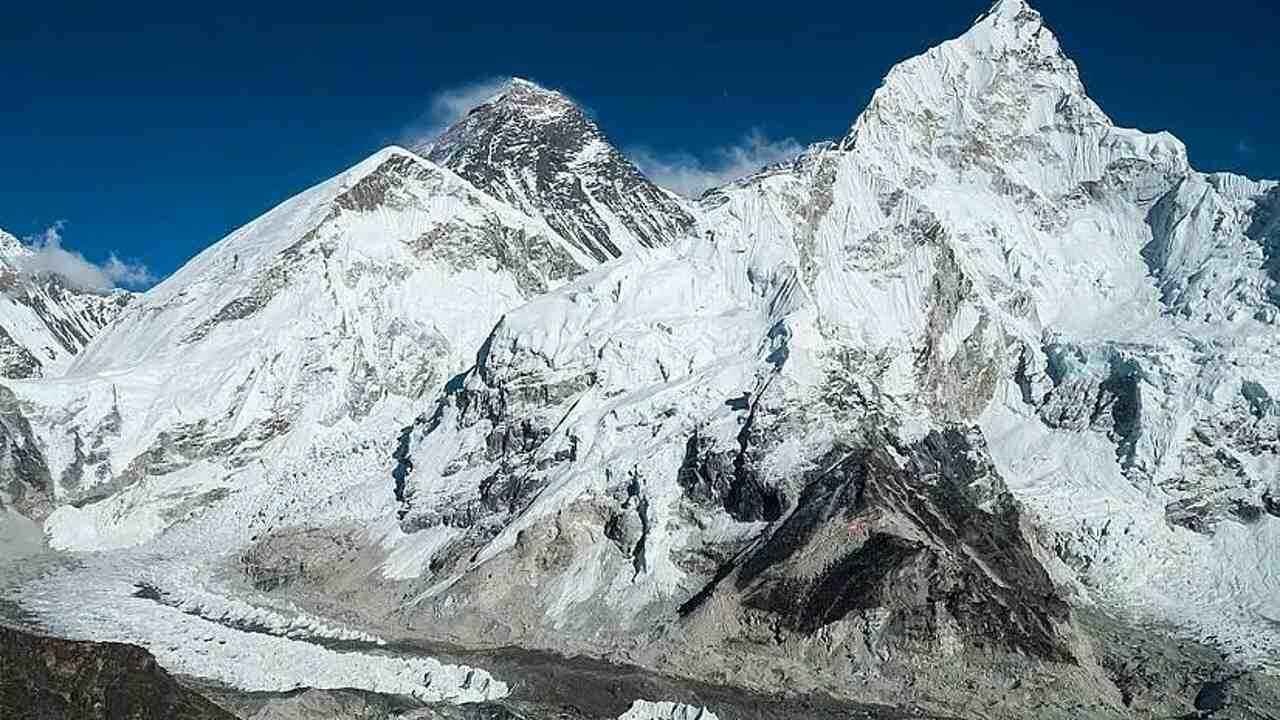
Fresh scientific observations from Arunachal Pradesh have raised concern over the fast changing condition of the Khangri Glacier, where researchers detected rapid ice loss and the formation of a potentially risky glacial lake in the eastern Himalayan region.
A team of scientists studying the glacier during a recent expedition found major environmental shifts around the high altitude area, especially near the glacier’s lower section. Researchers said parts of the ice body are collapsing quickly, creating unstable ground conditions that may increase the risk of natural disasters in nearby valleys.
The study was carried out by the Centre for Earth Sciences and Himalayan Studies along with support from the National Centre for Polar and Ocean Research and the North Eastern Regional Institute of Science and Technology. The expedition focused on glacier behaviour, climate impact and long term environmental monitoring in the Mago Chu basin, an important Himalayan river catchment connected to the Brahmaputra system.
According to experts involved in the mission, one of the most concerning developments was the appearance of a new glacial lake at nearly 16,500 feet above sea level. Scientists warned that if the lake expands or its natural barriers weaken, it could lead to a glacial lake outburst flood that may affect downstream settlements and river systems.
Researchers also noted that glacier melting continued even after the region experienced relatively better snowfall during winter. Rising temperatures and changing weather patterns in the eastern Himalayas are believed to be accelerating the melting process despite seasonal snow accumulation.
Tage Tana, director of CESHS, said the glacier region is witnessing serious geomorphological changes linked to climate variability. He explained that the sinking and collapse zones forming around the glacier indicate growing environmental stress in fragile mountain ecosystems.
To improve future monitoring, scientists installed five advanced monitoring stakes at elevations close to 17,000 feet using ice drilling equipment and Differential Global Positioning System technology. These instruments will help researchers study glacier movement, ice thickness changes and long term mass balance patterns.
The expedition team also collected meltwater and sediment samples for laboratory analysis while retrieving important climate data from automatic weather and water monitoring systems placed in the region. Maintenance work was carried out to ensure uninterrupted scientific observations in the remote Himalayan terrain.
Experts believe the findings will play a key role in understanding future climate related threats, glacier dynamics and water security challenges across the eastern Himalayan belt.