
Egg Prices Hit Record High as Supply Drops and Poultry Costs Rise
Egg prices have climbed to a record level after lower production and a decline in poultry numbers tightened supply, while rising feed costs continue to increase pressure on farmers.
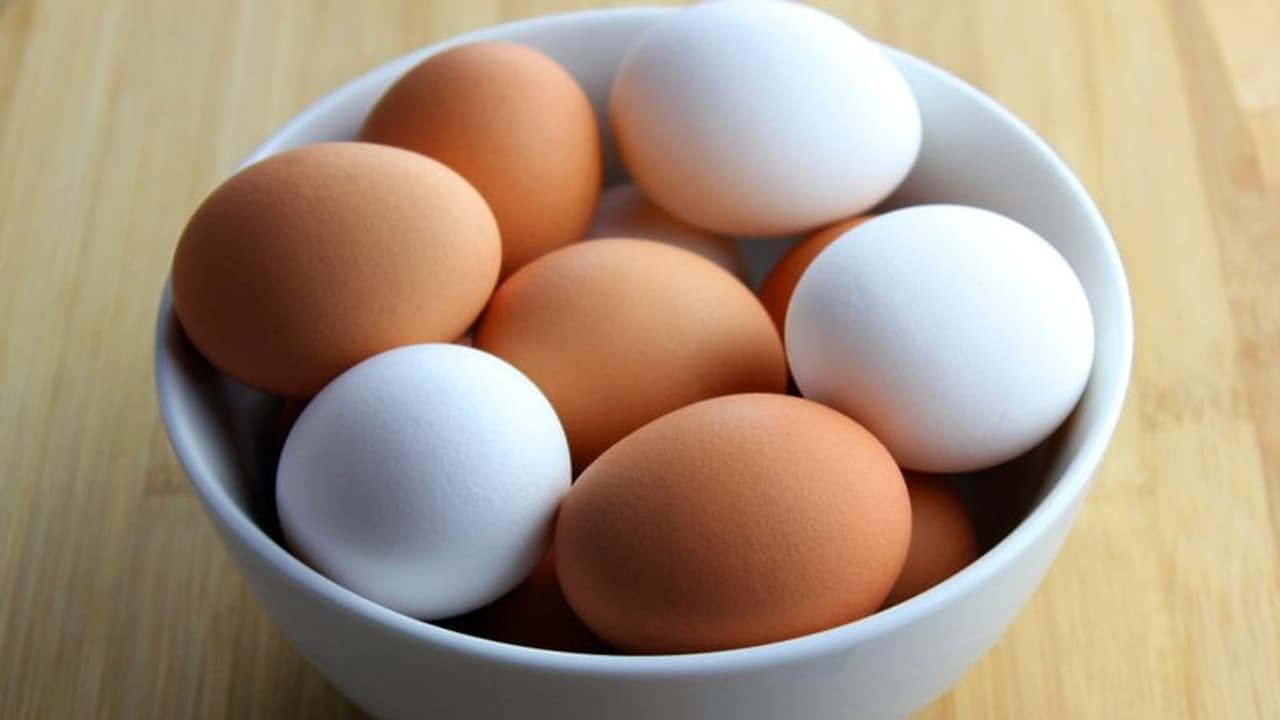
Egg prices have surged to a record level, bringing both relief and concern to the poultry sector. While farmers are receiving better prices for their produce, rising production costs and reduced output have prevented many from enjoying the full benefits of the price increase.
At poultry farms in the erstwhile East Godavari region, the farm gate price of an egg has touched Rs 6.95, matching the highest rate recorded in recent years. In retail markets, consumers are paying more than Rs 8.50 per egg, making eggs significantly more expensive than they were during the same period last year.
Industry representatives attribute the sharp increase to a fall in egg production. The region normally houses over 13 million poultry birds, producing nearly 10 million eggs every day. However, extreme summer temperatures reportedly led to the death of a large number of birds, reducing the overall supply.
Farmers say the surviving birds have also produced fewer eggs because of prolonged heat stress. As production declined, demand continued to remain strong, resulting in a shortage that pushed prices steadily upward.
Despite the rise in egg prices, poultry farmers say their expenses have increased sharply over the past few months. Feed ingredients such as soybean meal, oil cake, and maize have all become significantly costlier, increasing the overall cost of raising poultry.
According to farmers, soybean prices have risen substantially, while the cost of maize and other essential feed materials has also climbed. They argue that higher market prices for eggs are being offset by these rising input costs, leaving profit margins under pressure.
Poultry farmers have also urged the government to provide assistance, pointing out that many suffered heavy financial losses after losing lakhs of birds during the intense summer. They believe support measures would help the sector recover and maintain stable egg production in the coming months.