How to Choose the Right Toothbrush Based on Bristle Type for Better Oral Health
Choosing the correct toothbrush is essential for healthy teeth and gums because every bristle type serves a different purpose and using the wrong one can cause long term dental problems.
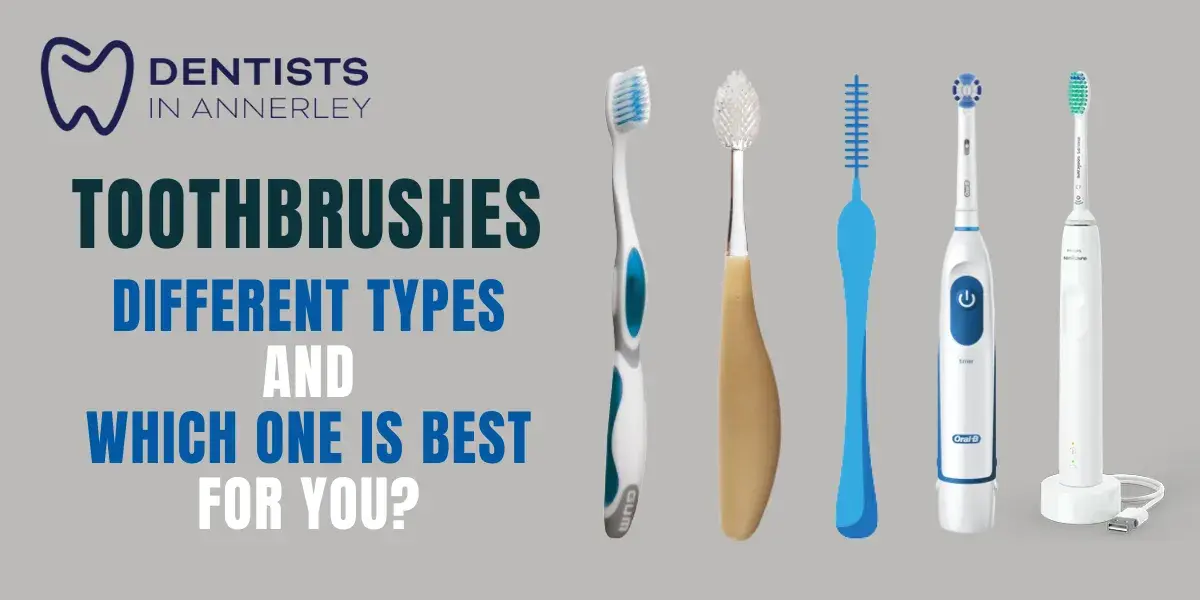
Many people buy a toothbrush based only on its price, brand, or appearance without paying attention to one important feature, the bristle type. Dentists say that selecting the right toothbrush plays a major role in maintaining healthy teeth and gums. Toothbrushes are generally available in four categories including Extra Soft, Soft, Medium, and Hard, with each designed for different oral care needs.
Among all options, a soft bristle toothbrush is considered the best choice for most people. Dental experts widely recommend it because it effectively removes plaque while being gentle on the gums. When combined with proper brushing techniques twice a day, a soft toothbrush helps maintain strong teeth and healthy gums for years.
Extra soft toothbrushes are specially designed for people with delicate oral conditions. Those who experience bleeding gums, tooth sensitivity, or have recently undergone dental treatment or oral surgery can benefit from these brushes. Their gentle bristles reduce pressure on sensitive areas while providing comfortable cleaning.
Medium bristle toothbrushes are slightly firmer and may be suitable for people who frequently develop surface stains from tea, coffee, or similar beverages. However, using excessive force while brushing with a medium brush can irritate the gums and damage soft tissues. For this reason, dentists advise using this type only when necessary and preferably after professional guidance.
Hard bristle toothbrushes are not meant for everyday use. They are recommended only in certain special situations by dental professionals. Regular use of a hard toothbrush can gradually wear away tooth enamel, increase gum recession, and expose the roots of the teeth, leading to discomfort and long term oral health issues.
Children and people with sensitive teeth should never use hard bristle toothbrushes. Since children’s gums and teeth are still developing, hard bristles can cause bleeding, pain, gum injuries, and enamel damage. Those with tooth sensitivity may also experience increased pain while eating hot or cold foods if they use a hard toothbrush.
Dentists also recommend replacing a toothbrush every three months or earlier if the bristles become bent or worn out. A suitable toothbrush, along with brushing twice daily using the correct technique, is one of the simplest and most effective ways to maintain excellent oral hygiene.