
How Petrol and Diesel Prices Are Fixed in India and Why They Do Not Fall Quickly
Petrol and diesel prices in India depend on crude oil costs taxes refinery expenses transportation currency movements and oil company decisions making fuel prices more complex than many consumers realize.
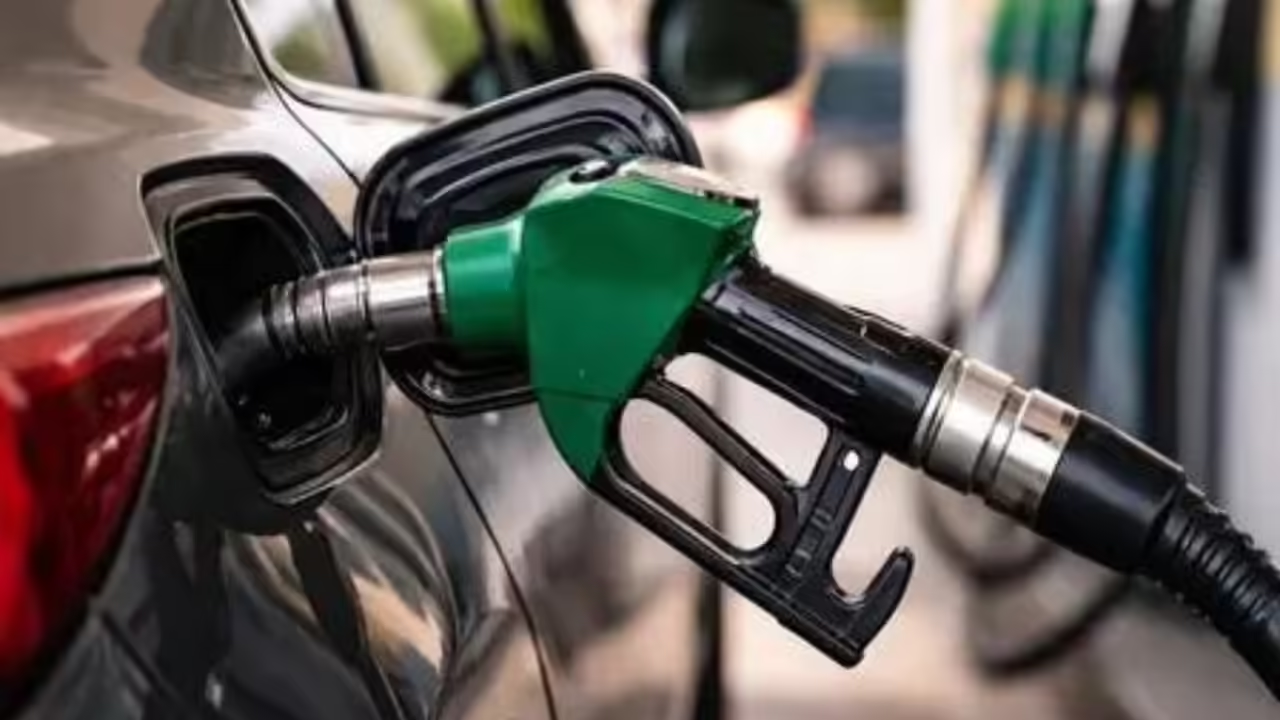
Fuel prices in India often become a topic of discussion whenever global crude oil rates rise or geopolitical tensions increase. Recent reports of higher crude oil prices have once again raised concerns that petrol and diesel could become more expensive in the coming weeks. Many people, however, are still unaware of how these prices are actually determined.
Although petrol and diesel are produced from crude oil, international crude prices alone do not decide what consumers pay at fuel stations. Indian oil marketing companies consider several factors before revising retail fuel prices, which is why changes in global markets are not always reflected immediately.
India imports a large share of its crude oil, with payments made in US dollars. If the Indian rupee weakens against the dollar, import costs rise even if crude oil prices remain stable or decline. Currency fluctuations therefore have a significant impact on the final price of petrol and diesel.
After crude oil reaches India, it must be refined into usable fuels. Refining involves operational costs, while transporting fuel from refineries to storage depots and petrol pumps adds further expenses. Oil marketing companies also include their operating margins, and fuel station dealers receive a fixed commission on every litre sold. These costs become part of the retail price paid by consumers.
Taxes are another major component of fuel prices. The Central Government collects excise duty, while state governments impose Value Added Tax and other local levies. Since VAT rates differ from one state to another, petrol and diesel prices vary across the country even when the base fuel cost remains the same.
Apart from taxes, several additional charges such as customs duties, crude oil cess, royalties and other applicable fees influence the overall pricing structure. These taxes and levies also serve as an important source of revenue for both the Central and State Governments.
Even when global crude oil prices decline, fuel prices in India may not fall immediately. Oil companies also consider the cost of previously purchased crude oil inventories, refining expenses, exchange rate movements and prevailing global uncertainties before making price revisions. In many cases, companies wait until older high cost crude stocks are exhausted before reducing retail prices.
Because fuel pricing depends on multiple economic and operational factors rather than crude oil prices alone, petrol and diesel rates in India are influenced by a combination of international markets, domestic taxes, currency movements and distribution costs.