
India Approves First Dengue Vaccine Marking Major Breakthrough in Disease Prevention
India has approved its first dengue vaccine offering broader protection against all four virus types and strengthening efforts to reduce infections hospitalizations and seasonal outbreaks across the country.
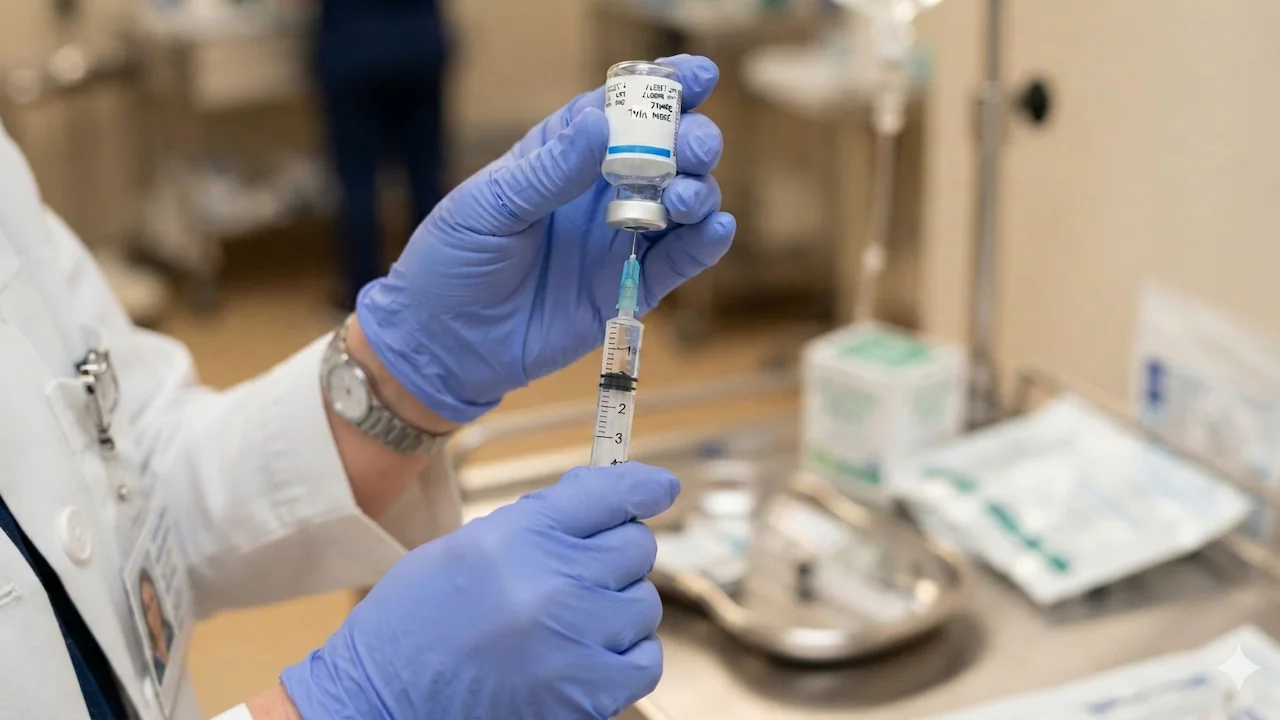
India has taken a significant step in the fight against dengue with the approval of QDENGA also known as TAK 003. Developed by Japanese pharmaceutical company Takeda, the vaccine has received regulatory clearance from the Central Drugs Standard Control Organisation, making it the first dengue vaccine to be approved for use in the country.
The approval is being viewed as a major milestone in public health. Until now, dengue prevention in India has largely depended on mosquito control, early diagnosis and supportive medical treatment. Health experts believe the availability of a vaccine adds a powerful new tool to reduce the impact of the disease.
The need for an effective vaccine has become increasingly urgent as India accounts for nearly one third of dengue cases reported worldwide. Over the past two decades, dengue infections have risen sharply across the country, with seasonal outbreaks during the monsoon placing heavy pressure on hospitals and healthcare services.
QDENGA is a live attenuated tetravalent vaccine designed to provide protection against all four dengue virus serotypes including DENV 1 DENV 2 DENV 3 and DENV 4. One of its major advantages is that it can be administered regardless of whether a person has previously been infected with dengue. This means patients do not need a dengue screening test before receiving the vaccine.
The vaccination schedule consists of two doses administered three months apart. The World Health Organization has already recommended its use for children between six and sixteen years of age in regions where dengue is widespread.
According to Takeda, the approval was granted after reviewing Phase Three clinical studies conducted in India along with international trial data and recommendations from the Subject Expert Committee. Since its international launch in 2022, the vaccine has been approved in 43 countries and more than 32 million doses have been distributed globally. Long term clinical data indicates that the vaccine effectively lowers the risk of symptomatic dengue infections and dengue related hospital admissions.
To strengthen local production, Takeda has partnered with Hyderabad based Biological E. Under the agreement, the facility is expected to manufacture up to 50 million doses annually. This collaboration could help meet India’s domestic demand while also positioning the country as a key supplier of the vaccine to international markets.
Although regulatory approval has now been granted, several important decisions remain pending. The government and public health authorities are expected to determine the vaccine’s pricing, rollout strategy, priority age groups and whether it will be included in national immunization programmes or made available free of cost through government hospitals.
Medical experts describe the approval of QDENGA as a historic advancement in India’s battle against dengue and believe it could play a vital role in reducing the disease burden in the years ahead.