Safe Meat Storage Guide Experts Explain How Many Days Meat Can Be Kept Without Spoilage
Understanding proper meat storage is essential for health safety. Experts explain refrigeration timelines, freezer methods, and handling tips to prevent bacterial growth and ensure meat remains safe, fresh, and nutritious.
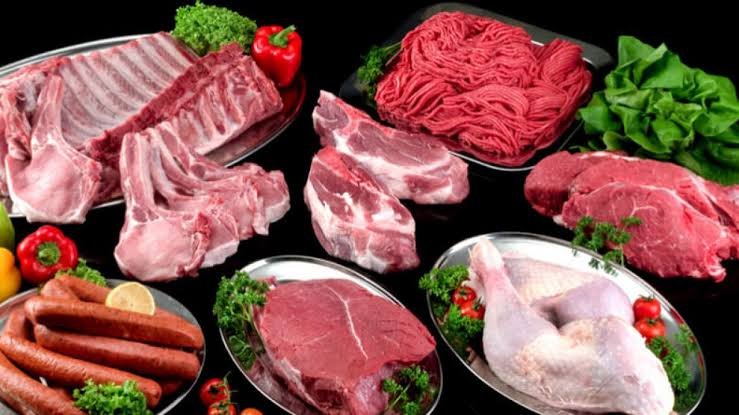
During festivals, family gatherings, or special occasions, it is common for households to end up with more meat than needed. While this abundance feels convenient, the real challenge begins when it comes to storing it safely. If meat is not preserved in the right conditions, harmful bacteria can grow quickly, increasing the risk of food poisoning and health complications.
Food safety experts emphasize that temperature control plays a major role in maintaining meat quality. According to widely followed guidelines from food authorities, raw meat kept in a regular refrigerator should ideally be used within three to five days. Ground meat or minced meat has a much shorter shelf life of just one to two days. Poultry items such as chicken also remain safe for only about one to two days in refrigeration. Once cooked, meat can typically be stored for three to four days if kept properly chilled.
A different approach is required when storing meat for longer durations. Freezing is considered the most effective method for preservation. When kept at temperatures around minus eighteen degrees Celsius or lower, bacterial activity slows down significantly, allowing meat to stay usable for months. Roasted or large cuts of meat can last anywhere between four and twelve months in a freezer. Chicken can remain safe for up to a year, while fish storage varies from two to eight months depending on the type. However, experts note that long storage may gradually affect texture and taste even if the meat remains safe to eat.
Proper handling before and after storage is equally important. Meat should always be packed securely using plastic wrap or foil before freezing to prevent moisture loss and contamination. This extra layer helps maintain freshness and reduces freezer burn, which often affects quality over time.
Another crucial point is the way frozen meat is thawed. Leaving it at room temperature may seem convenient but it encourages rapid bacterial growth, making it unsafe for consumption. The safer methods include thawing inside the refrigerator, using cold water, or defrosting in a microwave when needed. These controlled methods help preserve both safety and taste.
Ultimately, safe meat storage is not just about extending shelf life but also about protecting health. Following simple guidelines for refrigeration, freezing, and thawing can make a significant difference in preventing foodborne illnesses and ensuring meals remain safe and enjoyable.