Foods You Should Never Store in the Refrigerator
Many everyday foods lose their natural taste, texture and nutritional value when refrigerated. Experts warn that storing certain ingredients incorrectly may even create harmful health risks over time.
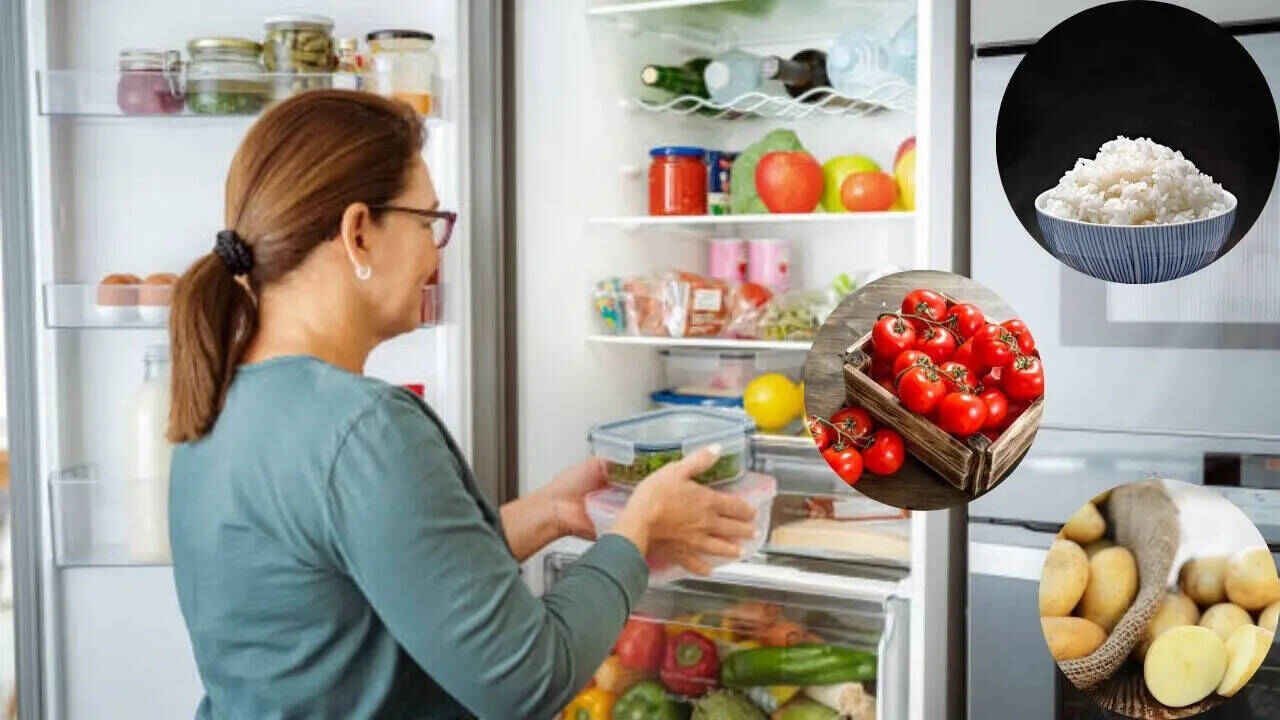
Refrigerators have become an essential part of every modern kitchen. From vegetables to sauces and leftovers, many people store almost everything inside the fridge without giving it a second thought. However, health experts say that not every food item benefits from refrigeration. In fact, some commonly used ingredients may lose their flavor, texture and nutritional value when exposed to extremely cold temperatures.
One of the biggest mistakes people make is storing potatoes inside the refrigerator. Cold temperatures convert the starch present in potatoes into sugar much faster. When these refrigerated potatoes are later fried or cooked at high heat, a harmful chemical called acrylamide may form. Experts recommend keeping potatoes in a cool, dry and dark place instead of refrigerating them.
Tomatoes are another food item that suffers inside the fridge. Refrigeration damages their natural cell structure, making them soft and watery. As a result, tomatoes lose their original taste, aroma and freshness. Keeping them at room temperature helps preserve their flavor and texture for a longer period.
Many households also store onions in the refrigerator to increase shelf life. But due to excess moisture inside the fridge, onions tend to become soft very quickly and may even develop mold. This affects both their taste and quality. Proper air circulation is important for onions, so storing them in a dry basket or ventilated area is considered the best option.
Garlic too reacts poorly to refrigeration. Experts explain that garlic stored in cold conditions may sprout faster and become rubbery from inside. There is also a higher chance of fungal growth. In addition, the strong smell of garlic can spread to other food items kept nearby in the refrigerator.
Honey is another ingredient that should stay away from the fridge. Pure honey naturally has a long shelf life and does not require refrigeration. When kept in cold temperatures, honey begins to crystallize and harden, making it difficult to use while also affecting its natural properties. Storing honey in a tightly closed container at room temperature is considered the safest method.
Nutritionists warn that extreme cold temperatures can sometimes alter the natural composition of certain foods. This may reduce beneficial enzymes and affect overall quality. While refrigeration is useful for preserving many products, using it incorrectly can do more harm than good.
Understanding how to store food properly is just as important as choosing healthy ingredients. A few simple changes in kitchen habits can help maintain freshness, protect nutritional value and support better family health in the long run.