
New Energy Rules Shake AC Ratings as 5 Star Models Drop to 4 Star Under Revised Standards
India’s revised energy efficiency norms have changed AC star ratings, making older 5 star models 4 star in 2026 while pushing manufacturers to deliver higher efficiency and lower electricity consumption.
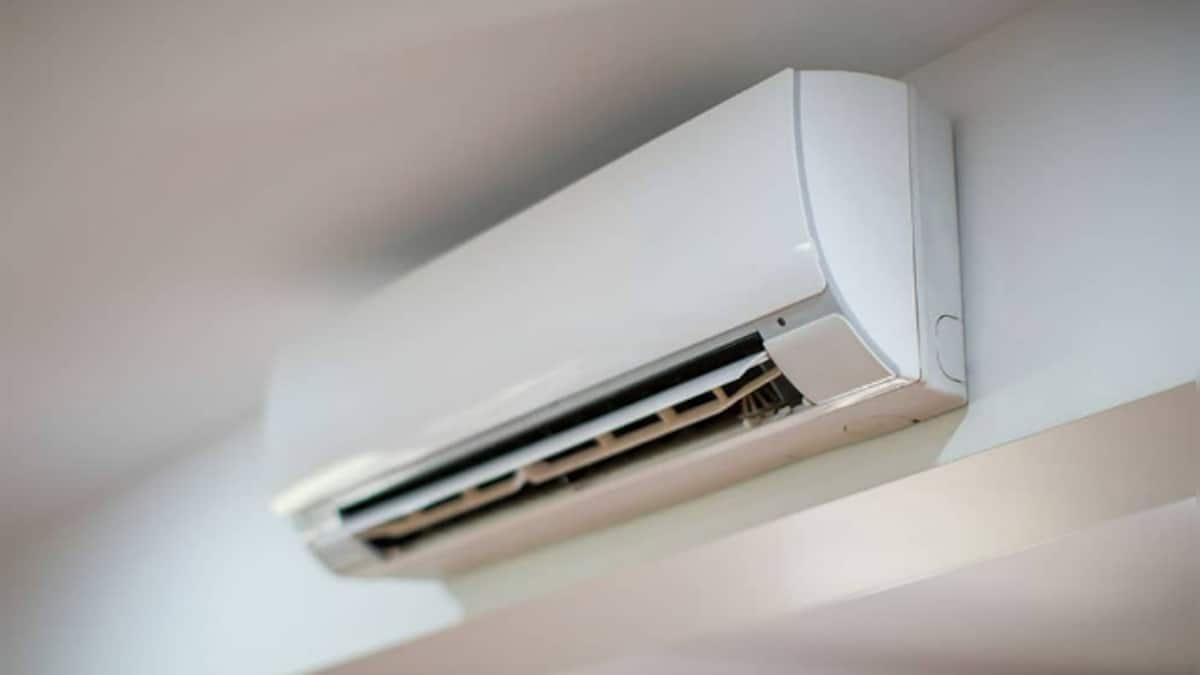
Air conditioner buyers in India are likely to face a new kind of confusion as 2026 approaches. Two similar looking inverter ACs on showroom floors may now carry very different star labels and price tags, even when their features appear almost identical. From Wi Fi connectivity to copper condensers and AI based cooling, everything may seem the same, yet one model could cost significantly more simply because of its updated energy rating.
Behind this change is a major revision in efficiency standards introduced by the Bureau of Energy Efficiency, commonly known as Bureau of Energy Efficiency. Starting January 1, 2026, new energy norms for air conditioners have officially come into effect, reshaping how star ratings are assigned across the industry.
The biggest impact of these revised rules is the shift in star classification. Several air conditioners that were previously labeled as 5 star in 2025 may now fall into the 4 star category under the new system. While this may appear like a downgrade, manufacturers and regulators clarify that the actual technology has not weakened. Instead, the benchmark for efficiency has been made stricter to encourage long term energy savings.
A key metric driving this change is the ISEER rating, or Indian Seasonal Energy Efficiency Ratio. This score measures how efficiently an air conditioner performs under varying temperature conditions commonly seen in India. Higher ISEER values indicate better cooling efficiency with lower electricity consumption, which directly impacts monthly power bills for consumers.
Under the updated framework, achieving a 5 star rating now requires an ISEER of around 5.80 or higher. Units falling between approximately 5.2 and 5.79 are categorized as 4 star, while 3 star models sit in a lower efficiency band. Compared to earlier standards, where lower ISEER values could still qualify for top ratings, the new thresholds are significantly more demanding.
This means that many AC models widely marketed as premium 5 star units in recent years will now be reclassified as 4 star products. The shift is not due to any decline in performance but because the baseline for efficiency has been raised to push companies toward more advanced cooling technologies.
For consumers, the immediate effect may feel confusing, especially when comparing prices. A higher priced AC might still appear similar to a cheaper one despite a different star rating. However, experts say the real difference becomes visible over time through electricity usage rather than initial purchase cost.
Industry watchers believe this change could ultimately benefit buyers. With stricter standards in place, manufacturers will be forced to innovate beyond marketing claims and focus more on genuine energy saving performance. This could lead to more efficient cooling systems becoming the norm in the coming years.
For households that rely heavily on air conditioning during long summer months, choosing a higher ISEER model may help reduce electricity expenses in the long run. Although the upfront cost may be higher, the savings over several years could offset the difference.
As the market adjusts to these revised ratings, buyers are expected to pay closer attention not just to star labels but also to actual efficiency figures. The 2026 rule change is likely to reshape how Indians evaluate air conditioners, shifting the focus from branding to real world energy performance.