Poha, Upma or Idli: Which Popular Indian Breakfast Is Best for Your Health?
Poha, upma and idli are popular Indian breakfast choices, but their health value depends on ingredients, cooking methods, portion sizes and protein content.
• Poha can become a balanced breakfast
• Upma works well with vegetables and protein
• Idli with sambar offers a light meal
The familiar morning question about what to make for breakfast often comes down to three favourites in Indian homes: poha, upma and idli. Each has its own taste and texture, but when health becomes the priority, the answer is not as simple as choosing one dish over another.
Nutrition depends on more than how quickly a meal is digested or how full it makes you feel. The amount of protein, fibre, vegetables and cooking oil used can change the nutritional value of the entire plate. Even a simple breakfast can become much more balanced with a few thoughtful additions.
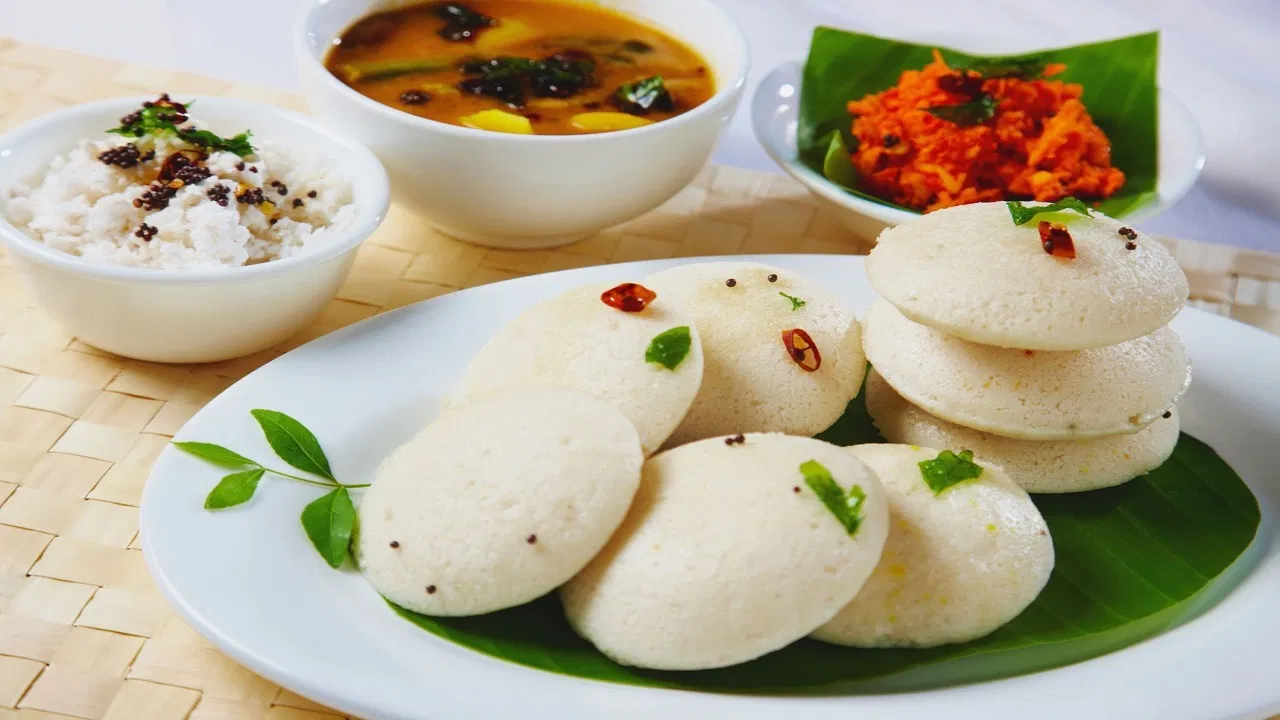
Idli is often considered a lighter option because it is prepared by steaming rather than frying. Since it contains relatively little fat, it can work well for people looking for a simple breakfast. However, idli by itself is mainly a carbohydrate based food, which is why the accompanying sambar matters.
A bowl of sambar prepared with lentils and vegetables such as carrots, onions, drumsticks, radish or bottle gourd can add protein, fibre and other nutrients to the meal. Instead of relying on a large serving of idli alone, adding a generous portion of sambar can make the breakfast more filling and balanced.
Poha is another practical choice, particularly for people who prefer a light meal in the morning. Flattened rice provides carbohydrates, but the nutritional value can be improved by adding vegetables such as peas, carrots and capsicum.
Peanuts or sprouts can provide additional protein and make poha more satisfying. Some people also pair it with curd, which can add protein and make the overall meal more complete. The amount of oil used during preparation is worth watching, especially when additional ingredients are already providing plenty of flavour.
Upma can also be a healthy breakfast when it is prepared thoughtfully. Plain semolina upma may not provide enough protein on its own, but adding vegetables, pulses or peanuts can improve its nutritional profile.
Carrots, beans, tomatoes and peas can increase the fibre and micronutrient content, while pulses and peanuts can contribute protein. Keeping the amount of oil or ghee under control is also important because excessive fat can quickly increase the calorie content of an otherwise simple meal.
So, which one should you choose? There is no single winner for everyone. Idli with vegetable rich sambar can be a good choice when you want a light, low fat breakfast. Poha can work well when vegetables, peanuts, sprouts or curd are added. Upma can also become a balanced meal when it includes plenty of vegetables and a source of protein.
The bigger lesson is that the ingredients added to breakfast and the way the dish is prepared can matter more than the name of the food itself. Using less oil, adding vegetables and including a protein source can turn all three traditional breakfast options into healthier choices.
For someone deciding between poha, upma and idli on a regular morning, variety may be the simplest approach. Rotating these dishes while paying attention to portions and ingredients can make breakfast both enjoyable and nutritionally balanced.