
Papaya in the Morning Can Add Useful Nutrients to Your Diet
Eating papaya in the morning can provide fiber, vitamins and antioxidants while supporting digestion, immunity, eye health and balanced nutrition as part of a healthy diet daily.
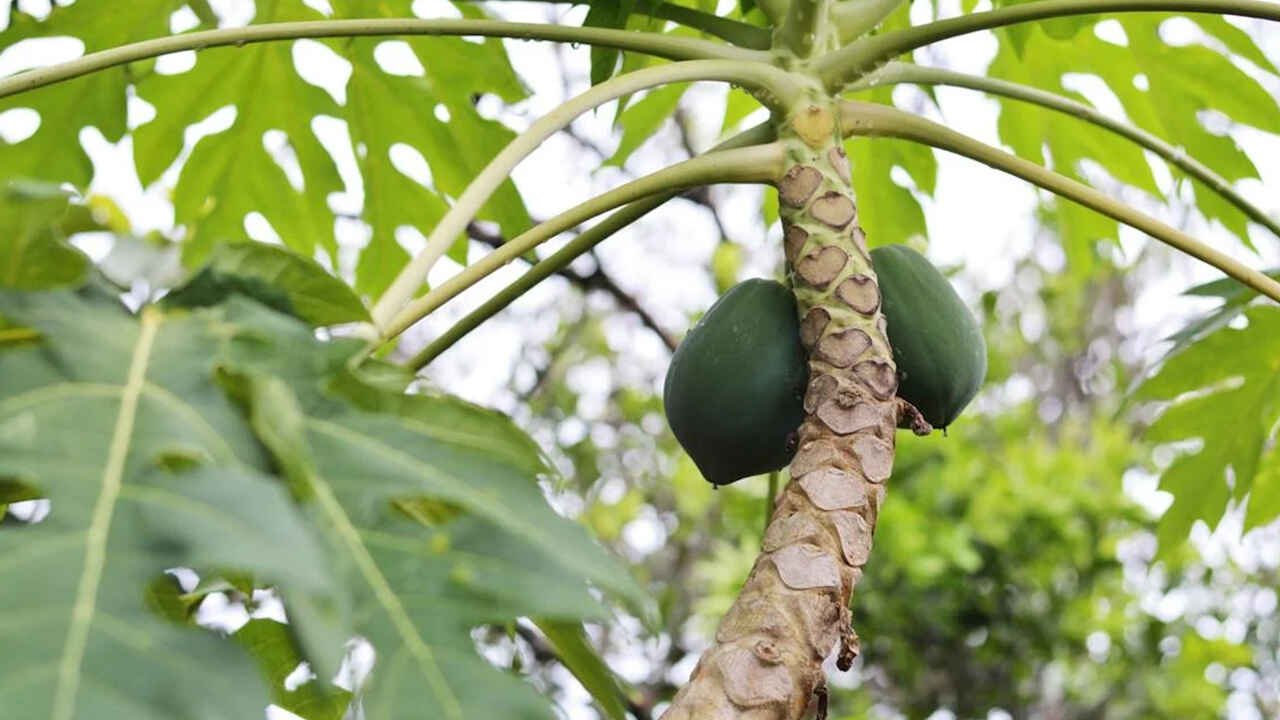
Papaya is a familiar fruit in many Indian homes, but its nutritional profile makes it more than just a sweet addition to the breakfast table. The fruit contains water, fiber, vitamins, minerals and plant compounds that can contribute to a balanced diet.
Eating papaya in the morning is a popular habit, although there is no requirement to consume it specifically on an empty stomach. It can be eaten at breakfast or later in the day depending on personal preference and dietary needs.
One of the better known benefits of papaya is its fiber content. Dietary fiber supports normal bowel function and can be useful for people who struggle to get enough fiber through their regular meals. Eating fiber rich fruits along with adequate fluids can help support regular digestion.
Papaya also contains an enzyme called papain. Papain is involved in the breakdown of proteins and is one of the naturally occurring enzymes that gives papaya its distinctive nutritional profile. However, eating papaya should not be viewed as a guaranteed solution for digestive problems.
The fruit is also relatively low in calories compared with many calorie dense snacks. Its water and fiber content can make it filling, which may help some people choose fruit instead of highly processed snacks between meals.
For anyone trying to manage body weight, this can be useful as part of a broader eating pattern. Weight management depends on overall food intake, physical activity, sleep and several other factors rather than one particular fruit.
Papaya is particularly known for its vitamin C content. Vitamin C contributes to normal immune system function and also helps the body absorb iron from plant based foods.
The fruit provides vitamin A related nutrients as well. Vitamin A plays an important role in normal vision and supports several other functions in the body. Papaya also contains carotenoids and other plant compounds that contribute to its antioxidant content.
These antioxidants are one reason papaya is often included in discussions about healthy eating. Antioxidants help protect cells from oxidative stress, but claims that a particular fruit can completely cleanse or detox the body are not supported by the way human metabolism works.
The liver and kidneys already perform the bodys major waste processing and removal functions. Eating papaya can provide nutrients and fiber, but a small bowl of fruit does not physically remove accumulated toxins from the body.
Papaya also supplies potassium, a mineral needed for normal muscle and nerve function and for maintaining healthy blood pressure as part of an overall balanced diet.
Its fiber content can also contribute to heart healthy eating habits. However, it would be inaccurate to claim that eating papaya alone prevents heart disease or directly removes bad cholesterol. Heart health depends on the overall diet and lifestyle, along with individual medical factors.
The fruits natural sweetness sometimes raises questions among people who monitor their blood sugar. Papaya contains natural sugars and carbohydrates, so portion size still matters. People with diabetes can discuss suitable fruit portions with their healthcare professional rather than assuming that sweetness makes the fruit either completely safe or unsuitable.
Another reason papaya is popular is its convenience. The fruit can be peeled, cut into pieces and eaten without elaborate preparation. It can also be added to a fruit bowl, mixed with other foods or served as part of breakfast.
Some people prefer eating chilled papaya, while others enjoy it at room temperature. The choice does not significantly change the basic nutritional value of the fruit.
Papaya can also contribute to daily fluid intake because the fruit has a high water content. This makes it a refreshing option, especially during warmer weather.
There are, however, a few situations where caution may be appropriate. People with specific allergies or digestive sensitivities should pay attention to how their body responds. Pregnant women and people with particular medical conditions should follow advice from their healthcare professionals regarding dietary choices.
The idea that papaya must always be eaten first thing in the morning is therefore more of a dietary preference than a universal health rule. The important point is to include nutritious foods consistently rather than focusing on a particular time of day.
A small serving of papaya can fit comfortably into a balanced breakfast alongside other foods that provide protein, whole grains and healthy fats. This approach offers a wider range of nutrients than relying on fruit alone.
Overall, papaya is a nutrient rich fruit that can contribute fiber, vitamin C, vitamin A related nutrients, potassium and antioxidants to the diet. Its possible benefits are best understood as part of regular healthy eating rather than as a quick remedy or detox treatment.
For people who enjoy the fruit, adding a serving of fresh papaya to breakfast can be a simple way to increase fruit intake. Those with specific health concerns should consider their individual dietary needs and seek professional advice when necessary.