Perfect Dough Guide For Roti Paratha And Naan With Exact Measurements For Soft And Fluffy Results Every Time
Getting the right dough consistency is the secret behind soft rotis, fluffy parathas and perfect naan, and with correct measurements anyone can easily prepare restaurant style results at home
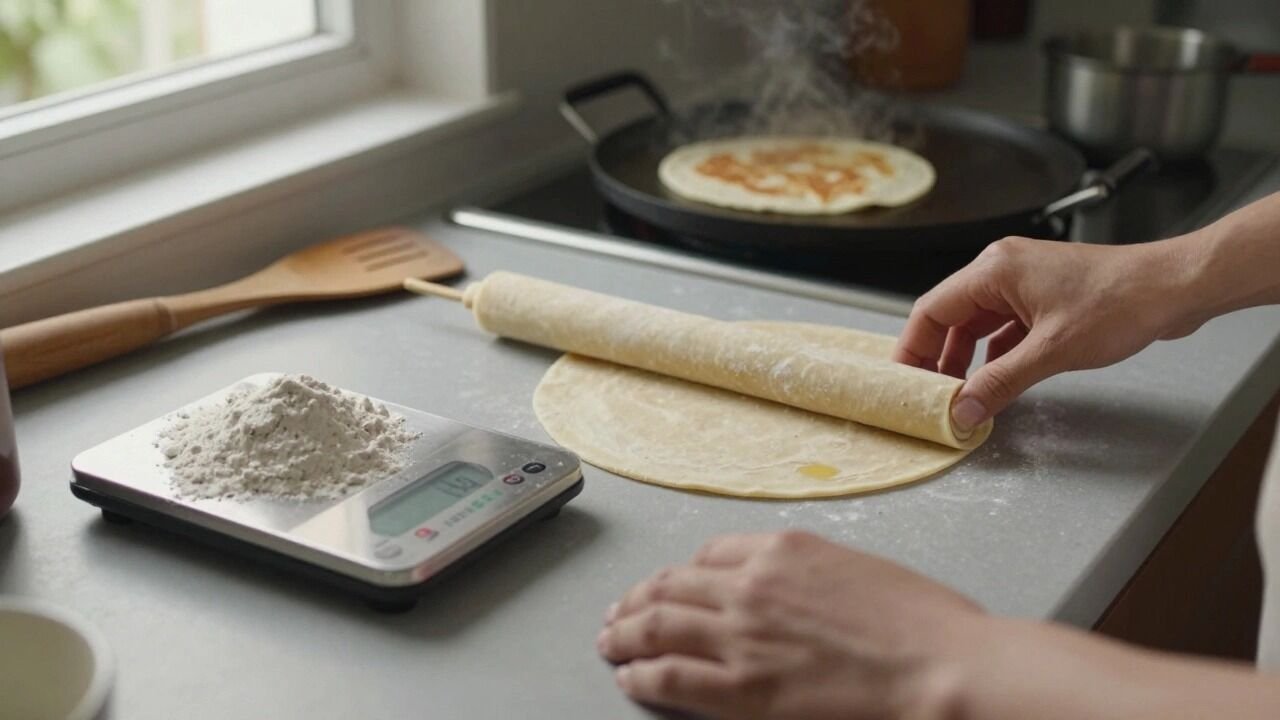
Making dough may look simple, but in real kitchen practice it often becomes the reason behind hard rotis or sticky parathas. The balance of water, flour and fat decides everything. When the proportions go wrong, the dough either turns too sticky or becomes too tight, leading to disappointing results. With a little understanding of measurements, anyone can achieve soft and perfectly cooked breads at home without struggle.
Many home cooks do not realize that dough is not just mixing ingredients but about timing, texture and feel. Using water at room temperature and adding ingredients slowly makes a huge difference. Even small additions like ghee or oil help improve softness and texture, making everyday meals more enjoyable.
For making simple roti dough, the balance is quite straightforward. Around 500 grams of wheat flour works well with approximately 300 milliliters of water. Adding a small amount of salt and a spoon of ghee helps improve both taste and softness. The key is to knead it until the dough feels smooth but not sticky, which ensures soft rotis after cooking.
Paratha dough requires a slightly richer texture compared to regular roti dough. The same quantity of flour can be used, but adding a little more ghee makes a big difference in softness. Water should be added gradually while mixing so the dough absorbs moisture evenly. This helps in creating flaky and soft parathas that cook well on a hot pan without breaking.
When it comes to naan, the process becomes more detailed and requires fermentation. Using either wheat flour or refined flour, the dough is prepared with milk instead of water for a softer texture. Adding yeast, sugar, salt and oil helps the dough rise properly. Resting it for at least an hour is important so the dough becomes light and airy, giving naan its signature softness and slight chewiness.
Poori dough is prepared in a slightly different way. It is kept firmer compared to other dough types to help it puff while frying. Wheat flour is mixed with limited water and a small amount of oil or cream for richness. The water is added slowly to avoid making the dough soft. This tighter consistency helps puris stay crisp and puff up beautifully in hot oil.
With the right proportions and simple care while kneading, everyday dough preparation can become much easier. Once the basic balance is understood, making perfect rotis, parathas, naan or puris at home becomes consistent and stress free.