
Strait of Hormuz Tensions Rise After Missile Attacks on Commercial Ships Spark Global Oil Supply Concerns
Fresh missile attacks on commercial vessels in the Strait of Hormuz have raised fears over global energy supplies, increasing concerns about oil prices, shipping safety, and regional stability.
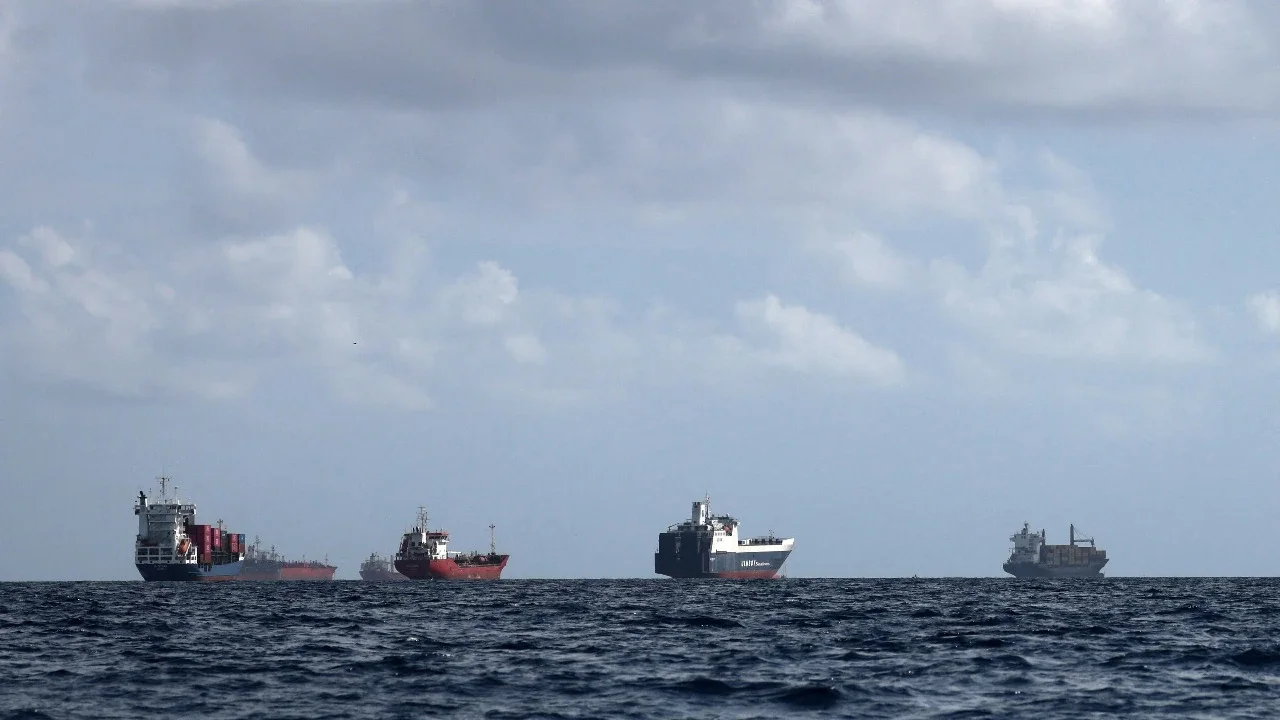
Missile Attacks Renew Regional Tensions
The Strait of Hormuz, one of the world’s most critical energy shipping routes, has once again become the center of rising geopolitical tensions. According to United States officials, at least two missiles were fired at commercial ships passing through the strategic waterway, with reports alleging that Iran’s Islamic Revolutionary Guard Corps was responsible for the attacks.
The latest incident has intensified concerns over maritime security in a region that carries a significant share of the world’s oil and natural gas exports.
Commercial Vessels Sustain Damage
US defense officials said two commercial vessels suffered substantial damage in the attacks. Despite the impact, no casualties were reported. The United Kingdom Maritime Trade Operations also confirmed an attack near the coast of Oman, stating that an unidentified missile struck a large oil tanker, triggering a major fire onboard.
Reports further indicated that a Qatar linked LNG carrier was among the vessels affected during the incident.
Peace Efforts Face Fresh Setback
The attacks come just weeks after the United States and Iran reportedly reached a 14 point understanding aimed at reducing hostilities. A temporary ceasefire had also been observed to support diplomatic discussions between the two sides.
However, the renewed violence has cast doubt over those efforts, with recent indirect negotiations in Doha ending without any significant breakthrough.
Global Energy Markets on Alert
The Strait of Hormuz handles nearly one fifth of global crude oil and natural gas shipments, making any disruption in the region a serious concern for international energy markets.
Analysts warn that prolonged instability could push oil prices higher and create fresh uncertainty in global supply chains. Shipping companies operating through the route are also increasing security measures amid growing risks.
Strong Warning From the United States
US President Donald Trump responded sharply to the reported attacks, warning that the United States would either reach an agreement with Iran or take decisive action if necessary. His remarks have added to concerns that tensions in the region could escalate further if diplomatic efforts fail.
With commercial shipping under pressure and energy markets closely monitoring developments, the Strait of Hormuz remains one of the world’s most sensitive geopolitical flashpoints.