First IVF Baby Louise Brown Turns 48 A Look at Her Historic Journey
Louise Brown the world's first IVF baby changed medical history forever. Her birth opened new possibilities for millions of families struggling with infertility and continues inspiring modern healthcare.
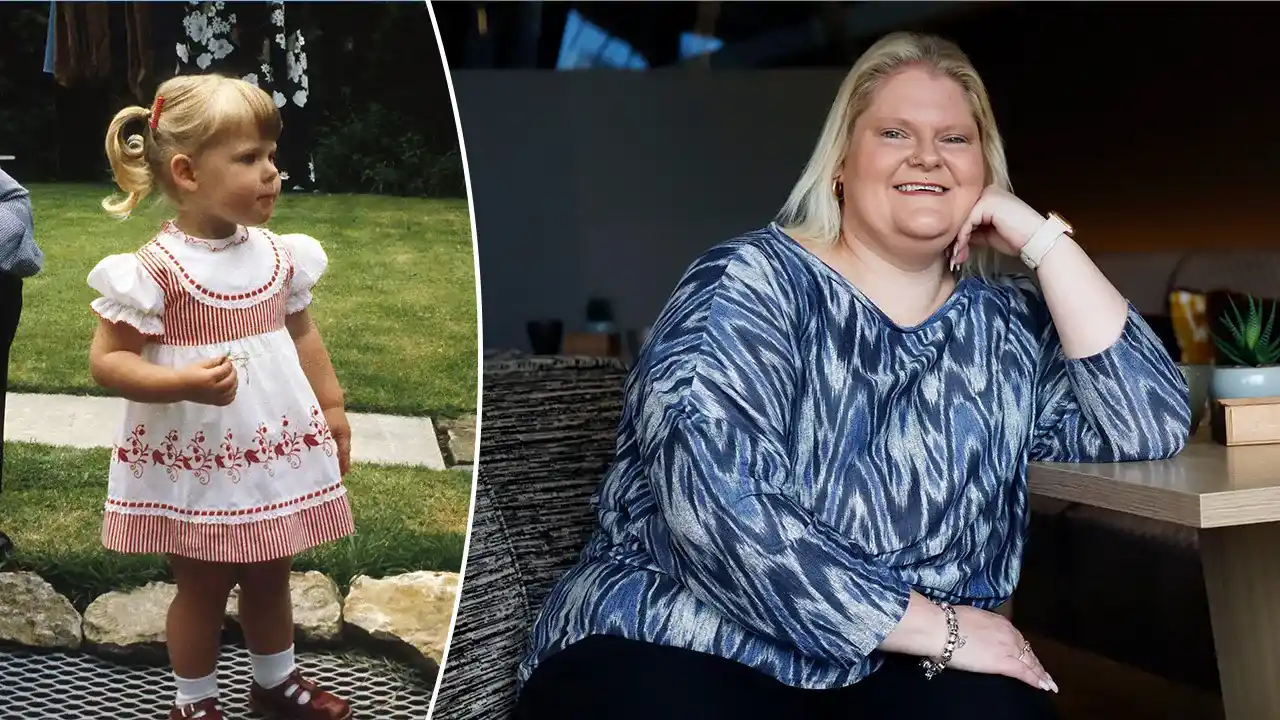
July 25, 1978, became a landmark day in medical history when Louise Joy Brown was born in England as the world’s first baby conceived through in vitro fertilization. Her arrival marked the beginning of a new era in fertility treatment and gave hope to millions of couples facing difficulties in having children.
Nearly five decades later, Louise Brown remains healthy and continues to be remembered as a symbol of medical innovation. Her birth was not only a personal milestone for her family but also a breakthrough that transformed reproductive medicine around the world.
Before Louise was born, her parents Leslie and Peter Brown had spent years hoping for a child. Leslie faced a medical condition involving blocked fallopian tubes, which prevented natural conception. After years of unsuccessful attempts, the couple decided to try IVF, which was still an experimental procedure at that time.
The process involved doctors collecting an egg from Leslie Brown and fertilizing it with Peter Brown’s sperm in a laboratory. After the embryo developed successfully, it was transferred into Leslie’s uterus. The procedure worked, and Louise was delivered through a cesarean section at Oldham and District General Hospital in England. At birth, she weighed 5 pounds 12 ounces.
Louise’s birth attracted worldwide attention and created a major discussion in the medical community. British gynecologist Patrick Steptoe and scientist Robert Edwards had spent nearly a decade researching the IVF technique before achieving this success. Their work later became a foundation for advanced fertility treatments used across the globe.
However, the breakthrough was not without controversy. During that period, many people questioned the safety and ethics of IVF technology. Louise’s parents also faced public criticism and intense media attention. Despite the challenges, the success of the procedure proved that assisted reproductive technology could become a reliable option for families experiencing infertility.
Louise’s life also helped remove several misconceptions about IVF. Her younger sister Natalie Brown was also born through IVF, and later became one of the first women conceived through the treatment to naturally give birth to a child. In 2006, Louise Brown herself became a mother after naturally conceiving and giving birth to her son, proving that IVF babies can have normal reproductive lives.
Over the years, IVF has developed into one of the most widely used fertility treatments worldwide. The technology has helped millions of couples achieve their dream of becoming parents. Today, doctors use advanced techniques involving eggs, sperm, and embryos from different sources to provide treatment based on individual medical needs.
Louise Brown’s story continues to represent the impact of scientific progress on human lives. Her birth was not just the arrival of a child but the beginning of a medical revolution that changed the future of fertility care. As she celebrates 48 years, the world’s first IVF baby remains a healthy reminder of how innovation can bring hope to countless families.