
Kimi K3 Sparks Fresh AI Race as China Challenges US Tech Leadership
China latest Kimi K3 artificial intelligence model is attracting worldwide attention with powerful performance lower operating costs and an open approach raising fresh questions about the future balance of global AI leadership.
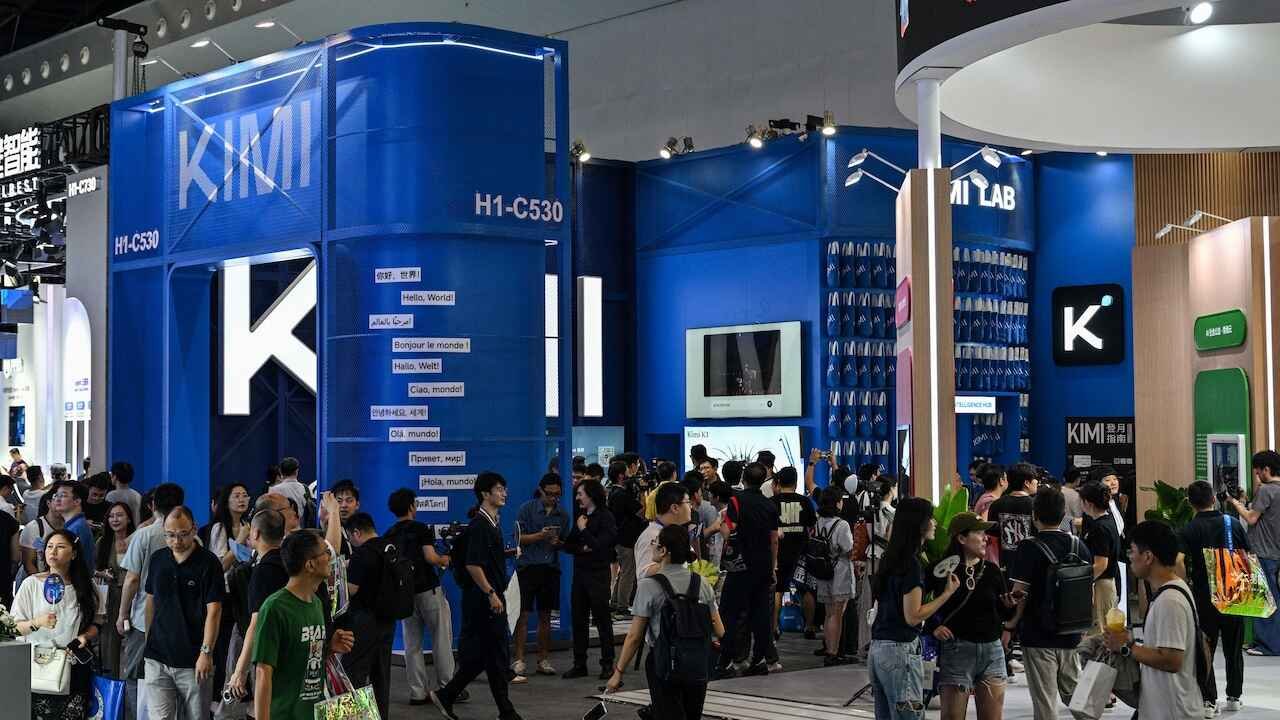
China has once again captured global attention in the artificial intelligence industry with the launch of Kimi K3, a new AI model developed by Moonshot AI. Following the rapid rise of DeepSeek, Kimi K3 is now being viewed as another major step forward for China’s AI ambitions. Its impressive capabilities, lower operating costs and open weight approach have triggered discussions across the technology industry and among policymakers in the United States.
The arrival of Kimi K3 has strengthened the belief that the competition between China and the United States in artificial intelligence is becoming much closer than before. Industry experts say the latest model demonstrates how quickly Chinese AI companies are narrowing the technology gap with leading American developers.
Unlike many leading AI systems that operate through closed platforms, Kimi K3 follows an open weight strategy. This allows developers, businesses and organizations to download the model, customize it for their own requirements and deploy it within their own infrastructure. Supporters believe this flexibility could encourage wider adoption while also reducing development costs for companies building AI powered products.
Performance is another reason the model has attracted attention worldwide. Reports indicate that Kimi K3 has achieved highly competitive results across several AI benchmarks, particularly in coding related tasks. In some evaluations it has matched or even outperformed well known American AI models, while in other tests it has remained close to the industry’s strongest performers.
The model is designed to handle a wide range of advanced tasks. It can generate human like responses, write software code, understand lengthy documents, assist with creating presentations and websites, and perform multiple complex assignments simultaneously. These capabilities position it as a versatile tool for both businesses and developers.
The growing success of Chinese AI models has changed the conversation that began with DeepSeek. Around eighteen months ago, DeepSeek surprised many experts by demonstrating that China could continue building advanced AI systems despite restrictions on access to certain advanced technologies. At that time, many analysts believed Chinese models still lagged several months behind their American rivals. Kimi K3 has challenged that assumption by reaching the front ranks of global AI development much sooner than expected.
Its combination of strong performance and lower deployment costs could also influence the commercial AI market. Companies looking for affordable yet capable AI solutions may find open weight models more attractive than premium closed systems, creating additional competitive pressure on established American AI providers.
The launch has also sparked debate in Washington and Silicon Valley. Some researchers believe China’s AI industry has significantly reduced the technological gap with the United States. At the same time, many experts maintain that American companies such as OpenAI and Anthropic continue to lead in producing the world’s most advanced frontier AI models.
The rapid progress has also revived discussions surrounding AI development practices. Some American AI companies have questioned how Chinese developers have advanced so quickly, raising concerns over techniques such as model distillation. Reports suggest that US authorities are reviewing whether competition in the AI sector is taking place under fair conditions.
Meanwhile, not everyone in the American technology industry sees open AI models as a threat. Nvidia Chief Executive Jensen Huang has argued that strong open source AI models can expand the overall AI ecosystem by encouraging innovation and increasing demand for computing infrastructure. According to this view, broader access to capable AI systems could accelerate industry growth rather than limit it.
Kimi K3 has therefore become more than just another AI product launch. It represents a significant moment in the global race for artificial intelligence leadership. Instead of asking whether China can eventually compete with the United States, the discussion is increasingly focused on how quickly Chinese companies can reach the same technological level after new American breakthroughs.
Although the most powerful frontier AI systems are still widely considered to come from US companies, Kimi K3 signals that the competitive landscape is changing rapidly. The narrowing gap between the world’s two largest AI powers is expected to shape future innovation, investment and policy decisions across the global technology sector.