PM Modi Inaugurates Rs 7500 Crore Semiconductor Chip Facility in Gujarat
Prime Minister Narendra Modi inaugurated a Rs 7500 crore semiconductor assembly and testing facility in Gujarat aiming to boost domestic chip production strengthen global supply chains and expand India's electronics manufacturing ecosystem.
India Takes Another Major Step in Semiconductor Manufacturing
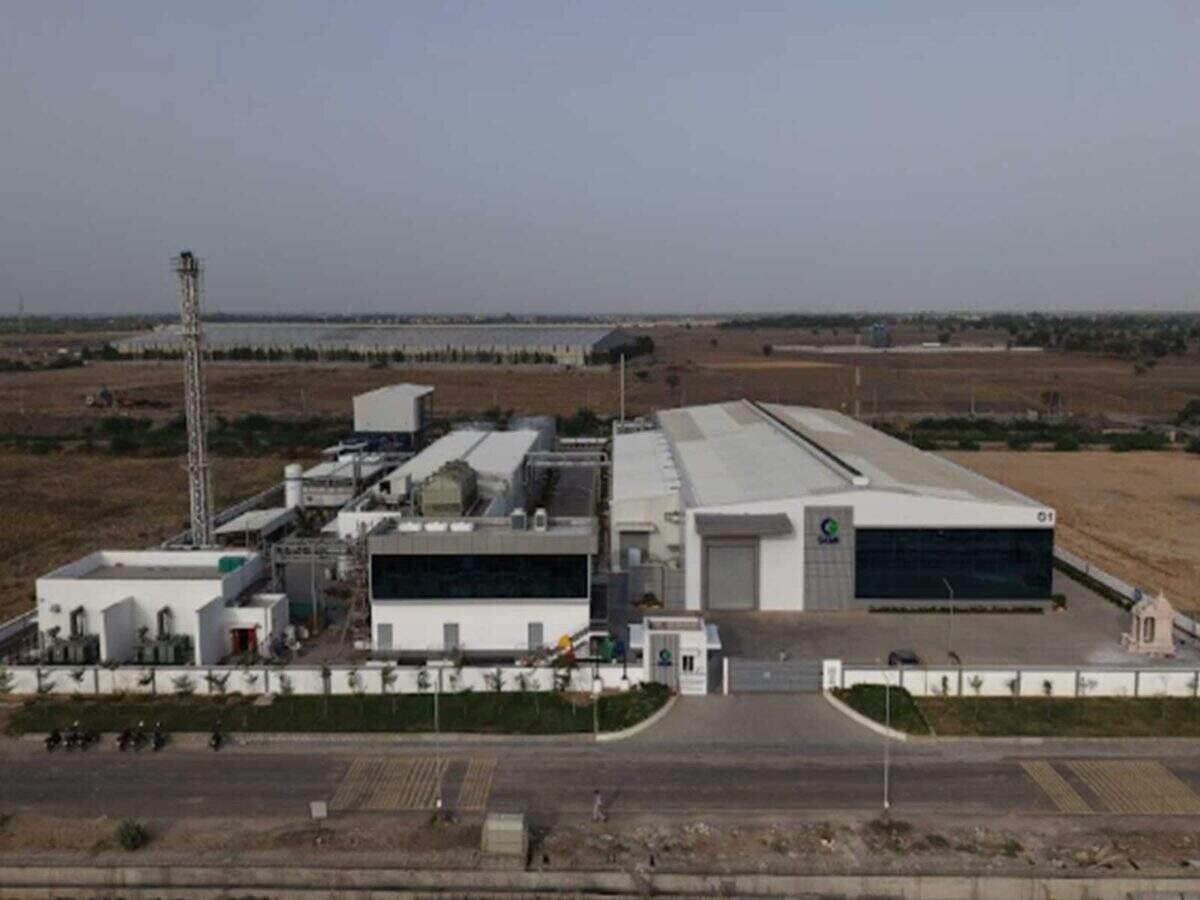
India’s semiconductor ambitions received a significant boost after Prime Minister Narendra Modi inaugurated a new semiconductor assembly and testing facility in Sanand, Gujarat. Built at an investment of Rs 7500 crore, the CG Semi Outsourced Semiconductor Assembly and Test facility is expected to play a key role in strengthening India’s position in the global semiconductor supply chain.
Developed under the India Semiconductor Mission, the project is designed to support the country’s growing electronics manufacturing sector while reducing dependence on imported semiconductor components.
Facility Targets Massive Chip Production Capacity
During his visit, Prime Minister Modi inspected the production lines and interacted with engineers and employees working at the plant. He said the facility will initially manufacture around 200 million semiconductor chips annually, with plans to expand production to 500 million chips every year in the coming years.
Once the expansion is completed, the plant is expected to produce more than 1.5 million semiconductor chips every day, significantly increasing India’s domestic manufacturing capabilities.
What the New Semiconductor Plant Will Do
The Sanand facility focuses on the final stage of semiconductor manufacturing. Instead of producing silicon wafers, the plant assembles completed semiconductor chips into protective packages, tests their quality and performance, and prepares them for commercial use.
These chips will eventually be supplied for use in smartphones, automobiles, consumer electronics, industrial machinery, telecommunications equipment and several other high technology products.
Strengthening India’s Global Electronics Ecosystem
The inauguration marks another milestone in India’s efforts to become a trusted destination for semiconductor manufacturing. With global demand for chips continuing to rise, the government has been encouraging large scale investments to build a complete semiconductor ecosystem within the country.
Officials believe projects such as this will improve domestic manufacturing capabilities while attracting more global technology companies to invest in India.
A Long Standing Vision Begins to Take Shape
Speaking at the event, Prime Minister Modi recalled that he had envisioned creating a semiconductor manufacturing ecosystem in Gujarat nearly two decades ago. He said seeing the project become a reality represents an important achievement for India’s technology and manufacturing sectors.
He also emphasized that expanding semiconductor production will support innovation, create employment opportunities and strengthen India’s long term technological self reliance.
Why Semiconductor Facilities Matter
Semiconductors are the backbone of modern electronic devices and are essential for everything from smartphones and laptops to electric vehicles, medical equipment, telecommunications infrastructure and advanced industrial systems.
Assembly and testing facilities ensure that chips meet strict quality and reliability standards before they are delivered to manufacturers. These processes play a critical role in the global electronics supply chain by improving product performance and ensuring dependable operation.
A Boost for India’s Technology Future
The new Gujarat facility is expected to accelerate India’s emergence as a global semiconductor manufacturing hub. As production capacity expands from 200 million to 500 million chips annually, the plant will support the country’s rapidly growing electronics industry while helping meet rising domestic and international demand.
With continued investment through the India Semiconductor Mission, projects like this are expected to strengthen India’s manufacturing ecosystem, encourage technological innovation and position the country as a major player in the global semiconductor industry.