Delhi Revises EV Subsidy Policy Regenerative Braking Now Mandatory for Electric Two Wheelers
Delhi has updated its electric vehicle subsidy policy making regenerative braking compulsory for eligible two wheelers while introducing stricter approval standards and continuing financial incentives across multiple EV categories.
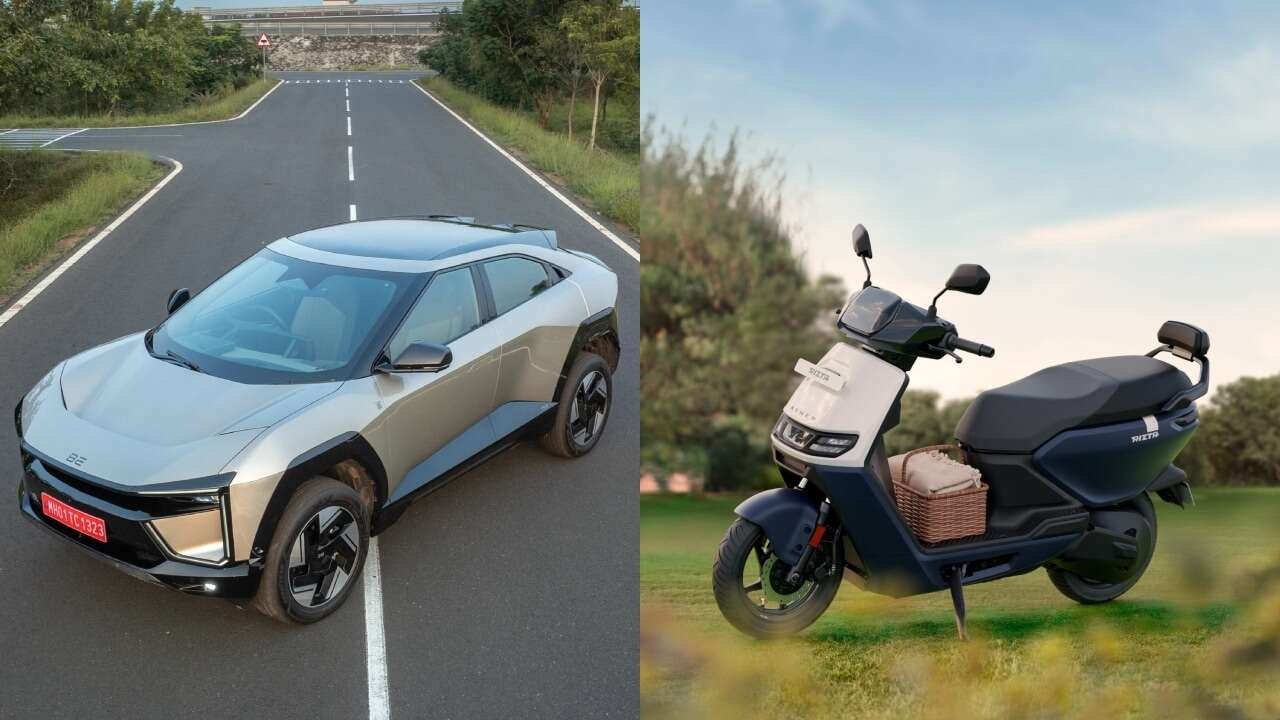
The Delhi government has introduced significant changes to its electric vehicle subsidy policy, making regenerative braking a mandatory feature for electric two wheelers seeking financial incentives. The move is aimed at promoting more efficient and technologically advanced electric vehicles as the capital continues to push for wider EV adoption.
Under the revised policy, only electric two wheelers equipped with regenerative braking technology will qualify for government subsidies. Earlier, this feature was mostly available in premium electric scooters and motorcycles, but manufacturers will now have to include it in subsidy eligible models if they want buyers to receive financial benefits.
The updated guidelines also require electric two wheelers to meet additional performance standards. Eligible models must offer a minimum riding range of 80 kilometers and include a warranty of at least three years or 20000 kilometers. These conditions are intended to ensure buyers receive reliable products with practical everyday usability.
To strengthen quality control, the government has also introduced a stricter approval process for new electric vehicle models. A dedicated Model Approval Committee will evaluate every eligible vehicle before it is allowed to receive subsidies. Only models that satisfy the prescribed technical and safety standards will be approved under the revised scheme.
Regenerative braking is one of the key technologies used in modern electric and hybrid vehicles to improve energy efficiency. Instead of wasting energy generated during braking or deceleration, the system converts that energy into electricity and sends it back to the battery. This process helps extend the vehicle’s driving range while improving overall battery efficiency, making it particularly valuable for city commuting where frequent braking is common.
The revised policy continues to provide attractive financial incentives across different categories of electric vehicles. Buyers of eligible electric two wheelers can receive subsidies of up to Rs 30000. Electric three wheelers remain eligible for incentives of up to Rs 50000, while light commercial electric vehicles can receive subsidies of up to Rs 1 lakh.
The government has also retained tax benefits for electric cars. Buyers purchasing electric cars with an ex showroom price of up to Rs 30 lakh will continue to receive a complete exemption from road tax and vehicle registration charges, reducing the overall cost of ownership.
Delhi has consistently remained one of India’s leading states in encouraging electric mobility through policy support and financial incentives. By making regenerative braking compulsory for subsidy eligible vehicles, the government aims to encourage manufacturers to adopt better energy saving technology while ensuring consumers receive more capable and efficient electric vehicles.
The latest changes are expected to influence future electric two wheeler launches, as manufacturers targeting the Delhi market may now prioritize regenerative braking and other mandatory features to ensure their products remain eligible for government incentives.