India’s First Hydrogen Train: India Set to Launch Its First Hydrogen Powered Train on July 17
India is preparing to introduce its first hydrogen powered train on July 17 marking a major step toward clean transportation with zero carbon emissions and advanced fuel cell technology
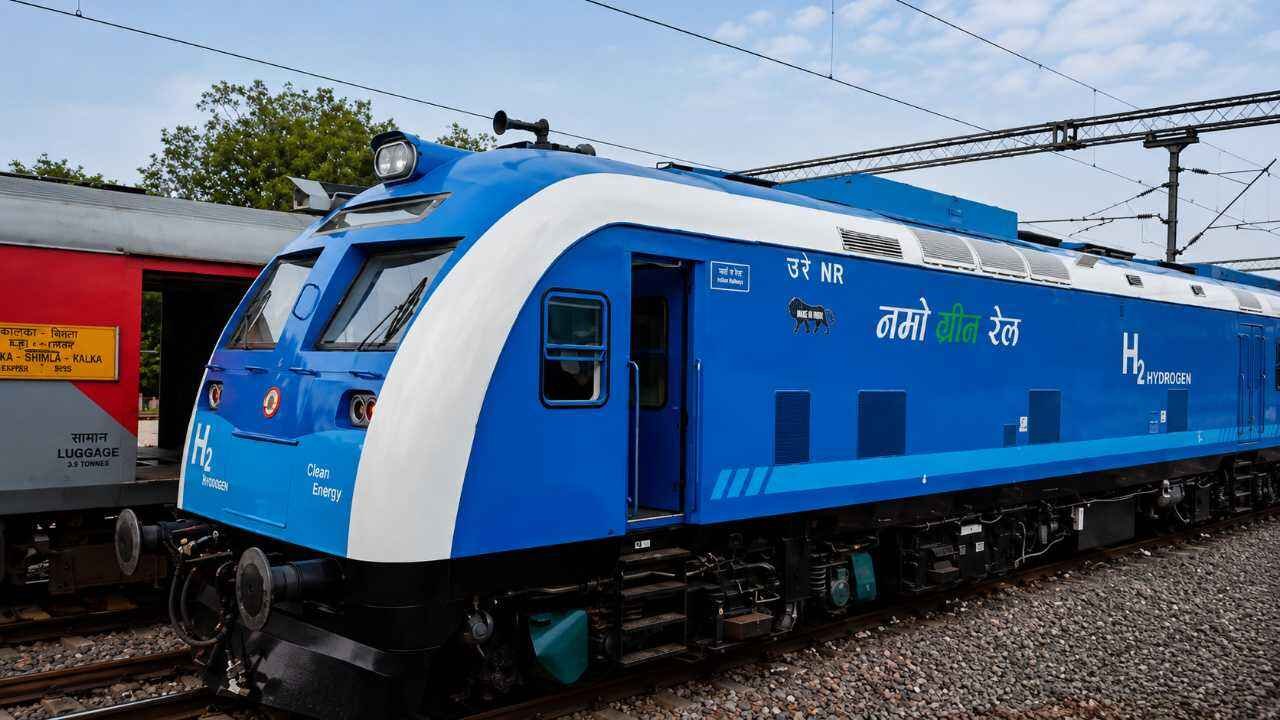
India’s First Hydrogen Train: India is preparing to achieve a major milestone in green transportation with the launch of its first hydrogen powered train. The ambitious project, developed as part of the country’s vision to reduce carbon emissions and promote sustainable mobility, is expected to be officially flagged off by Prime Minister Narendra Modi on July 17 from Jind Railway Station in Haryana.
The pilot project has been developed by Indian Railways, which selected Haryana as the testing ground for this next generation railway technology. The launch represents an important step in India’s long term goal of building an environmentally responsible transport network.
Unlike conventional diesel powered trains, the new hydrogen powered train operates using hydrogen fuel cell technology. The system generates electricity through a chemical reaction between hydrogen and oxygen, allowing the train to run without releasing harmful carbon emissions into the atmosphere.
One of the biggest environmental advantages of the train is that it produces only clean water vapor while operating. With no smoke or toxic exhaust, the technology significantly reduces air pollution and also operates more quietly than traditional diesel locomotives.
The train has also been designed to handle a large number of passengers. It offers seating for 682 passengers and has the capacity to accommodate nearly 2600 people, including standing passengers, during a single journey.
Indian Railways believes the hydrogen powered train will mark the beginning of a cleaner and more sustainable future for rail transport in the country. If the pilot project proves successful, similar trains could gradually become part of the railway network, helping India move closer to its net zero carbon emission targets.