Water Stuck in Ear After Bathing Experts Warn Against Common Mistakes and Share Safe Remedies
Ear water blockage during bathing or swimming is a frequent issue but using safe natural methods instead of harmful objects can quickly relieve discomfort and prevent infections
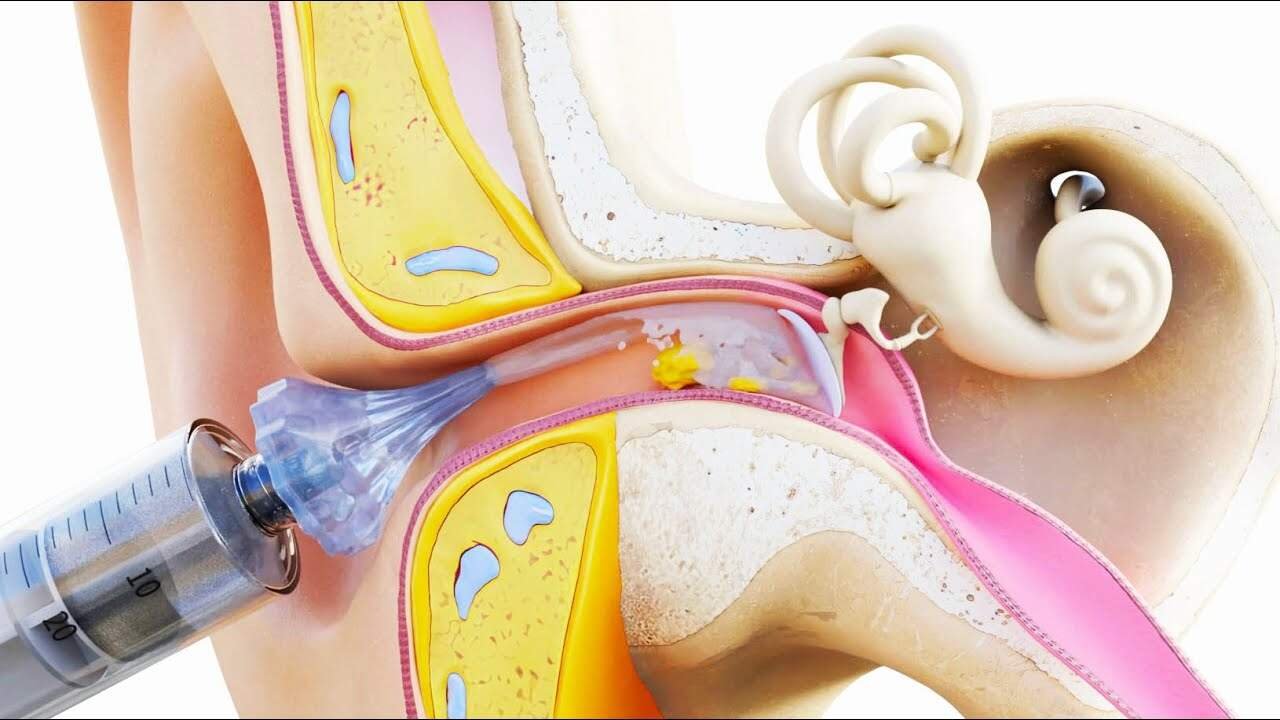
It is a very common experience for many people to feel water entering the ear while taking a bath or swimming. Although it may seem like a small problem at first, it can quickly turn uncomfortable with symptoms like heaviness in the ear, mild headache or difficulty in hearing clearly. In such moments, most people immediately try unsafe methods like ear buds, matchsticks or pins, which experts strongly discourage.
According to ear specialists, the inner structure of the ear is extremely delicate. Even small pressure or sharp objects can damage the ear canal or eardrum. Well known ENT expert Dr Arijit Mohapatra has often explained that inserting objects into the ear to remove water can push dirt deeper, cause swelling and in serious cases may even lead to rupture of the eardrum. This is why doctors always recommend gentle and natural methods instead of risky home attempts.
One of the simplest ways to remove trapped water is using gravity. Tilting the head toward the affected side or lying down with the ear facing downward allows water to flow out naturally. Some people also find relief by gently hopping on one foot while keeping the affected ear tilted, which helps dislodge the water through movement.
Another safe technique is creating a mild vacuum using the palm. By pressing the palm firmly over the ear and then releasing it quickly, a slight pressure change is created. Repeating this a few times can help pull out trapped water without harming the ear. This method is simple but should always be done gently without excessive force.
Warm compress is another helpful remedy when water gets stuck deeper inside the ear canal. A clean cloth soaked in warm water and squeezed properly can be placed over the affected ear for several minutes. The gentle heat helps relax internal ear passages and encourages the trapped water to move out naturally.
Doctors also warn that if water remains inside the ear for more than a couple of days or if symptoms like pain, fever or discharge appear, it should not be ignored. In such cases, consulting an ENT specialist becomes necessary to prevent infections like swimmer’s ear or other complications.
In most situations, ear water blockage is temporary and harmless if handled correctly. Avoiding sharp objects and using simple home techniques can protect ear health and prevent long term damage, making safety the most important step in such common situations.