Centre Clears E20 Petrol Myths: Centre Rejects False Claims About E20 Petrol Safety
The Central Government has dismissed misleading claims about E20 petrol, stating that scientific studies confirm it is safe for approved vehicles, reduces emissions, protects warranties, and supports cleaner fuel adoption nationwide.
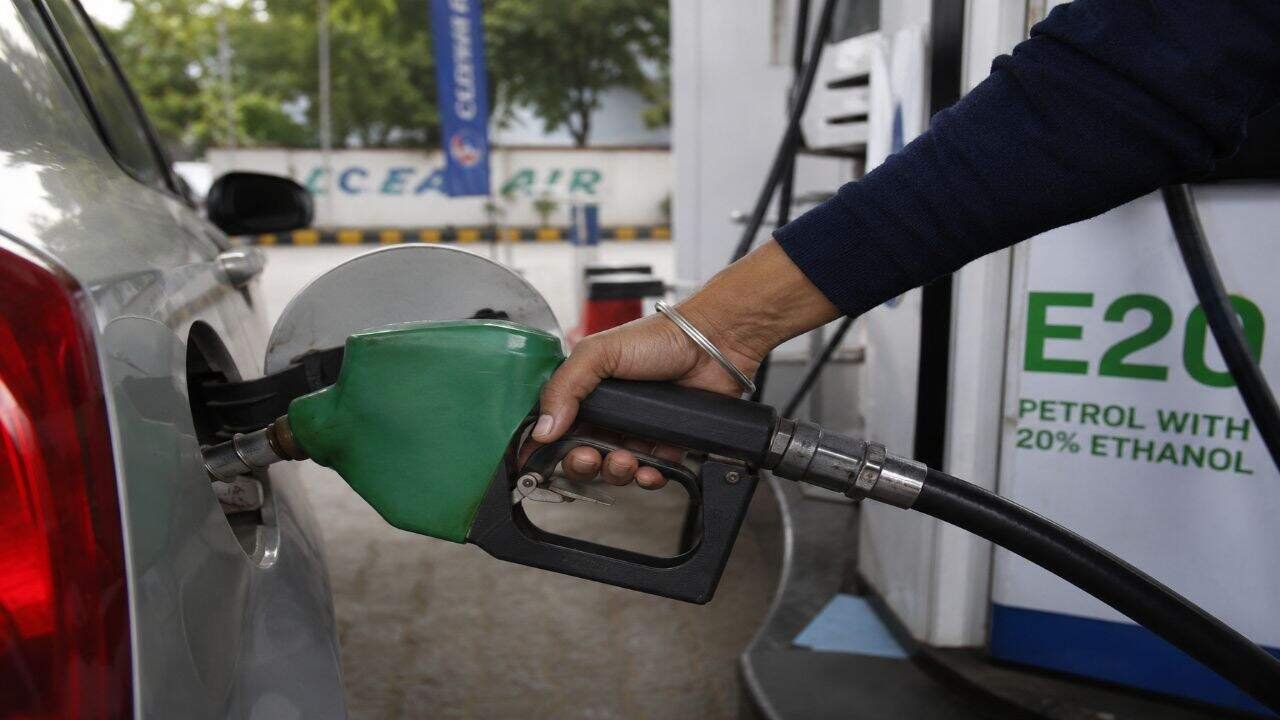
Centre Clears E20 Petrol Myths: The Central Government has urged people not to believe misleading social media posts about E20 petrol, saying the claims have no scientific basis. The Ministry of Petroleum and Natural Gas released a detailed fact sheet on Friday to address the growing misinformation and reassure vehicle owners.
According to the ministry, several viral posts falsely claim that E20 petrol damages vehicle engines, reduces fuel efficiency, increases pollution, attracts insects because of ethanol, and even voids vehicle warranties or insurance coverage. Officials clarified that all these allegations are completely false and unsupported by evidence.
The ministry said technical studies conducted by leading organisations, including the Automotive Research Association of India, Indian Oil, and the Society of Indian Automobile Manufacturers, have consistently shown that E20 petrol is safe for vehicles designed to use it. SIAM has also confirmed that using E20 fuel does not affect vehicle warranty coverage.
Government data shows that E20 petrol helps reduce harmful emissions. Carbon monoxide emissions can decrease by up to 50 percent in two wheelers and nearly 30 percent in four wheelers, making it a cleaner alternative to conventional fuel.
The Centre also highlighted that the ethanol blending programme aims to reduce India’s dependence on imported crude oil, support farmers by increasing demand for agricultural feedstock, and improve environmental sustainability. It further clarified that fuel grade ethanol does not contain sugar residues, making claims that it attracts insects completely baseless.
The government has advised citizens to rely only on verified scientific information and official sources instead of believing or sharing unverified content circulating on social media.