Daily 100 Grams Chicken Benefits: Best Protein Foods for Strong Muscles and Energy Explained
Protein plays a vital role in building muscles, repairing cells, and maintaining overall health, and choosing the right combination of animal and plant based protein sources helps meet daily nutritional needs effectively.
Protein is one of the most important nutrients for a healthy lifestyle. It supports muscle growth, cell repair, hormone production, and enzyme activity in the body. When the body receives enough protein through diet, it helps maintain steady energy levels throughout the day and improves overall strength and recovery.
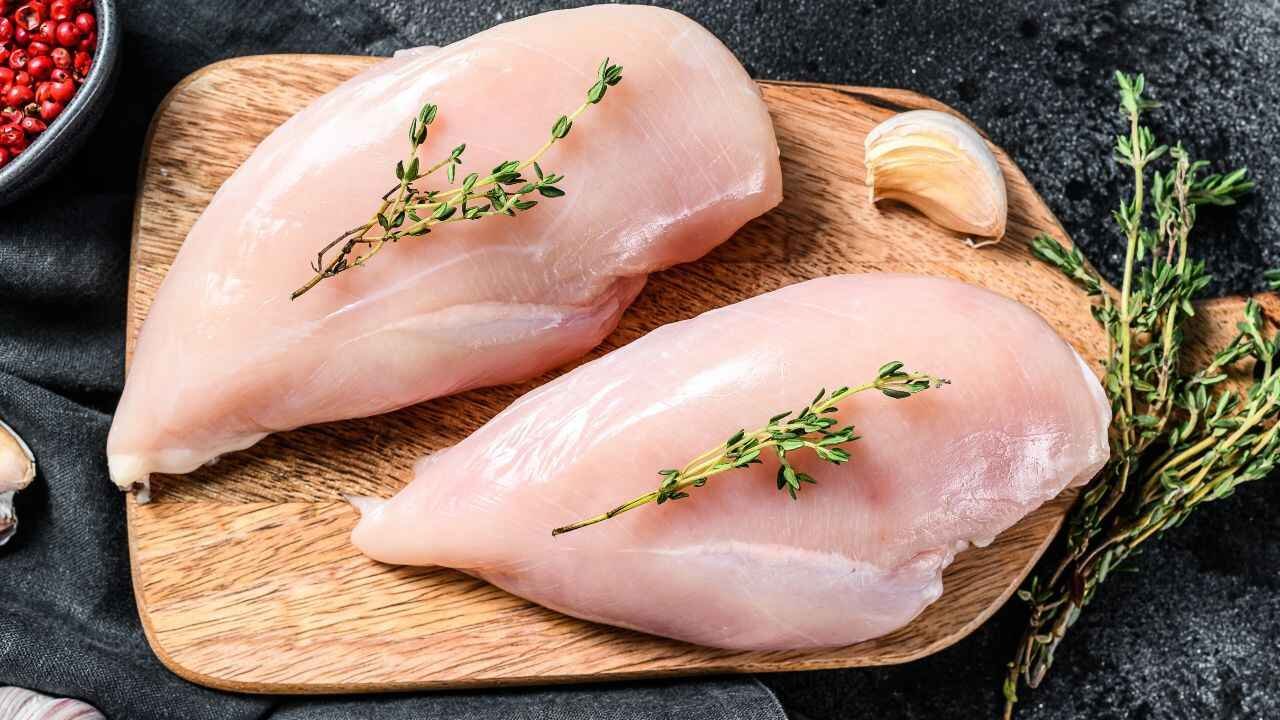
Among all protein rich foods, chicken breast stands out as a widely preferred option. Just 100 grams of chicken breast provides around 28 grams of high quality protein, which can fulfill a significant portion of daily protein requirements. Fish also offers a similar level of complete protein, making both foods highly effective for muscle development and overall fitness.
Nutrition experts often classify protein into two major categories based on quality. Class 1 proteins are those that contain all nine essential amino acids in the right proportion and are easily absorbed by the body. Foods like chicken, fish, eggs, dairy products, and soy fall under this category. On the other hand, Class 2 proteins may lack one or more essential amino acids and usually need to be combined with other foods to form a complete protein profile. Most pulses and cereals belong to this group.
For vegetarians, dairy products and plant based combinations play a key role in meeting protein needs. Greek yogurt is considered a strong source, offering around 8 to 10 grams of protein per 100 grams. Consuming it twice a day can easily contribute a meaningful amount of protein to the diet. Paneer is another popular option, but traditional versions contain higher fat content. Low fat paneer is a better alternative, providing nearly 25 grams of protein per 100 grams with significantly less fat, making it comparable to chicken in protein value.
Soy based foods such as soy chunks, tofu, and tempeh are also complete protein sources. These options are especially useful for vegetarians as they provide all essential amino acids required by the body. In contrast, pulses like lentils, chickpeas, rajma, and moong sprouts offer protein but in smaller amounts. For example, 100 grams of moong sprouts contains only about 3 grams of protein, though it is rich in fiber and other micronutrients.
To achieve a complete amino acid profile, combining different vegetarian protein sources is important. A simple salad made with sprouts and added low fat paneer or tofu can significantly improve protein intake. Similarly, lentil based dishes can be enhanced by pairing them with dairy or soy products to improve nutritional balance.
A practical approach to daily nutrition is understanding how different foods work together rather than relying on a single source. Whether it is chicken for non vegetarians or smart combinations for vegetarians, the key lies in balanced intake and consistency. For personalized dietary concerns, consulting a healthcare professional is always recommended.