
High Blood Pressure May Affect Memory and Brain Health Experts Warn Hidden Risks You Should Not Ignore
Doctors caution that long term high blood pressure can silently damage brain function leading to memory loss poor concentration mental fatigue and serious cognitive decline if left untreated over time
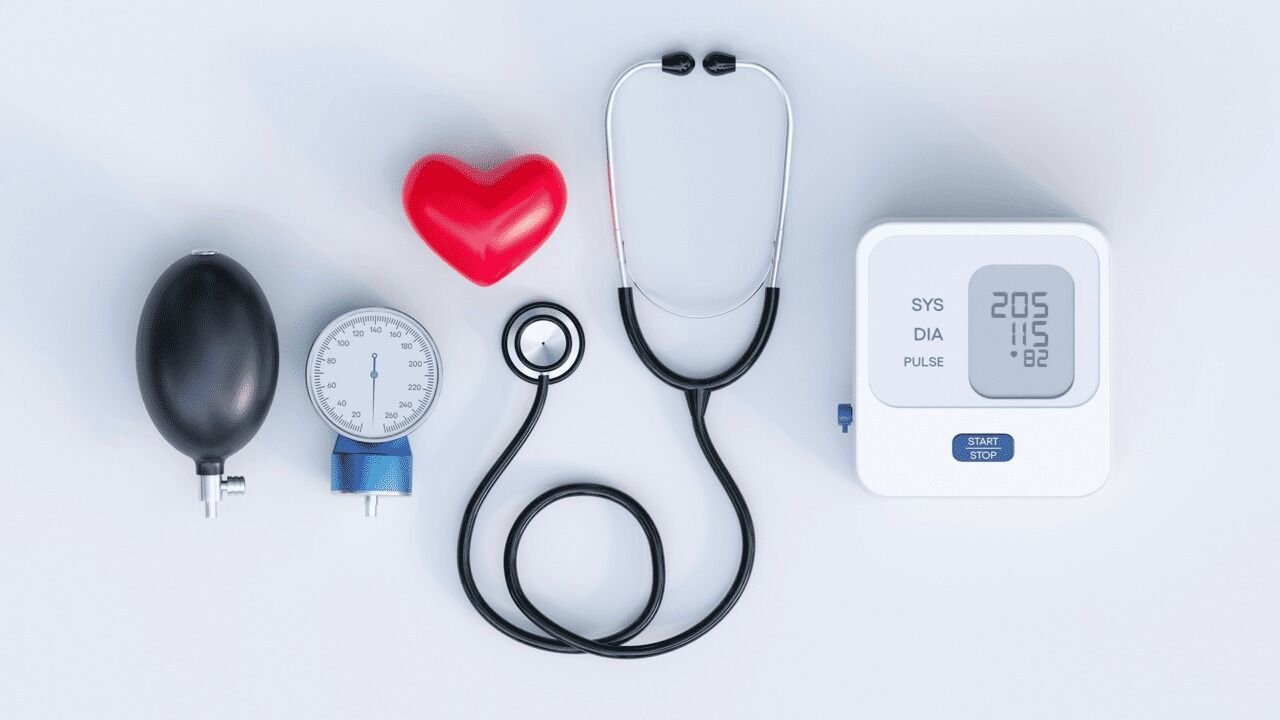
High blood pressure is no longer seen only as a heart related issue. Medical experts are increasingly warning that its impact goes far beyond the heart and can silently affect brain health as well. In recent years, especially among younger people, hypertension cases have been rising, making it an important lifestyle concern rather than just a medical condition for the elderly.
One of the less discussed but serious effects of long term high blood pressure is its influence on the brain’s functioning. When blood pressure remains consistently high, the blood vessels that supply oxygen and nutrients to the brain can gradually get damaged. This reduced blood flow may affect mental sharpness and overall cognitive ability over time.
Doctors explain that people suffering from chronic hypertension may slowly begin to experience issues such as memory decline, difficulty in focusing, and slower thinking. These changes often happen gradually, making them easy to ignore in the beginning. Many individuals mistake these symptoms for normal stress or fatigue, which can delay proper diagnosis and treatment.
Interestingly, in many cases, the warning signs appear much earlier than people realize. Simple daily challenges like forgetting recent conversations, struggling to concentrate at work, or feeling mentally drained can be early indicators that brain health is being affected. If these signs are ignored repeatedly, they may lead to more serious neurological complications in the long run.
Common symptoms that should not be ignored include frequent forgetfulness, dizziness, constant headaches, confusion, difficulty in making decisions, and reduced attention span. Health professionals strongly advise that anyone experiencing such symptoms regularly should undergo proper medical evaluation, including blood pressure and neurological assessments.
Managing high blood pressure effectively plays a key role in protecting both heart and brain health. Experts recommend regular monitoring of blood pressure levels as a first step. Along with this, reducing salt intake, following a balanced diet rich in fruits and vegetables, and maintaining a fiber rich meal plan can significantly help in controlling hypertension.
Physical activity is equally important. At least 30 minutes of daily exercise can improve blood circulation and support overall cardiovascular health. In addition, maintaining proper sleep schedules, managing stress levels, and avoiding smoking and alcohol can make a big difference in long term blood pressure control.
In some cases, medication prescribed by doctors may be necessary to keep blood pressure within safe limits. However, lifestyle changes remain the foundation of prevention and management. Experts emphasize that early attention to hypertension can prevent not only heart related complications but also protect memory and brain function.
Ultimately, maintaining a healthy lifestyle is the key to reducing risks associated with high blood pressure. With timely care, regular checkups, and disciplined habits, it is possible to safeguard mental sharpness, improve memory, and prevent serious health issues in the future.