Smartphone Heating in Summer How to Keep Your Device Safe and Cool in Extreme Heat Conditions
High temperatures during summer can seriously affect smartphone performance making devices heat up quickly and sometimes shut down unexpectedly due to overload and battery stress conditions
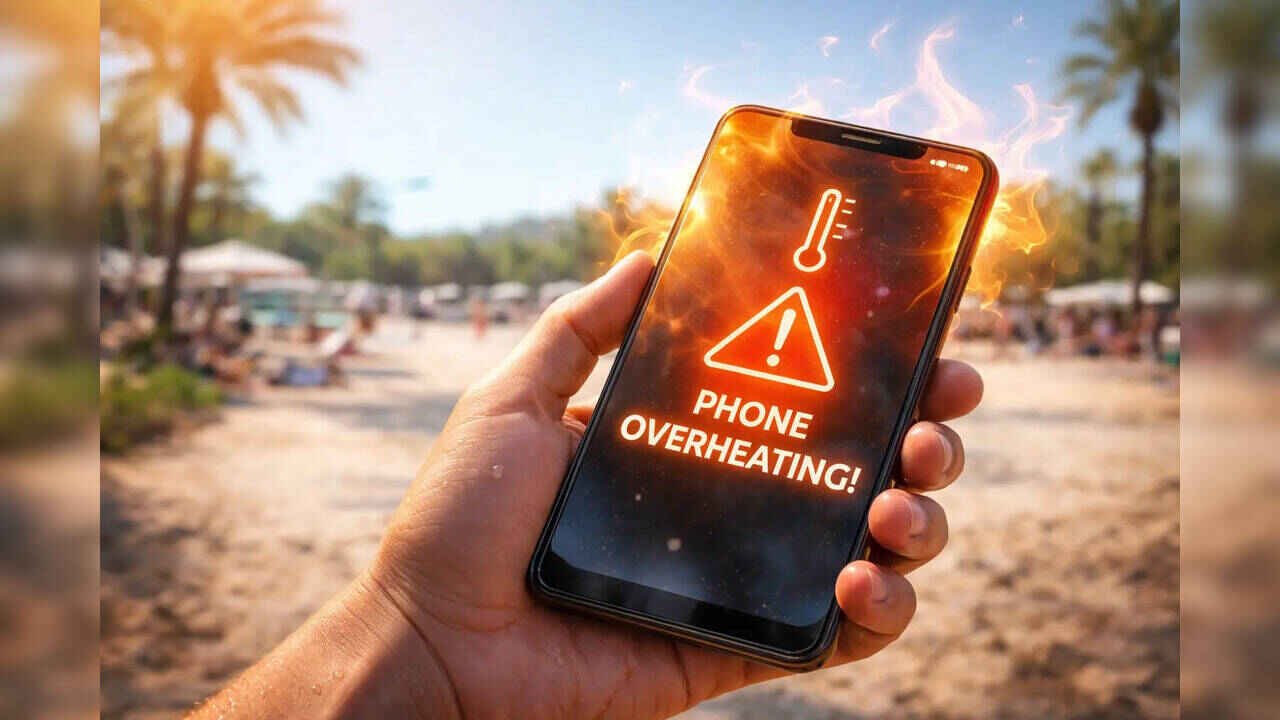
As the summer heat intensifies across regions smartphones are becoming increasingly vulnerable to overheating issues. Users often notice their phones becoming unusually hot during charging gaming or even normal usage. Experts warn that ignoring this issue may not only reduce battery life but in extreme cases could also increase safety risks including battery damage or malfunction. With temperatures rising it becomes essential to follow simple habits to keep devices safe and functioning smoothly.
One of the most important steps is avoiding direct sunlight exposure. Leaving phones inside cars on dashboards or near windows can cause rapid temperature buildup inside the device. Heat accumulation in such situations can damage internal components over time.
Charging habits also play a major role in controlling heat. Using thick phone covers while charging traps heat inside the device. Removing the cover allows better airflow and helps the phone cool down faster during charging cycles.
Another key factor is using only original chargers. Low quality or duplicate charging accessories often supply unstable power which can lead to overheating and long term battery damage. Certified chargers ensure safe and steady power flow.
Reducing screen brightness is also helpful. Many users increase brightness to maximum levels outdoors but this puts extra pressure on the display and processor. Using auto brightness mode can balance visibility and heat control effectively.
Background applications should be managed regularly as they continue running silently and increase processor load. Closing unused apps helps reduce unnecessary strain on the phone system and keeps temperature under control.
Connectivity features like GPS Bluetooth and WiFi should be turned off when not in use. These functions constantly search for signals which increases battery consumption and contributes to heating.
Heavy usage such as high end gaming or long video recording sessions should be avoided during peak heat hours. These activities push the processor to work harder resulting in rapid temperature rise.
If a phone becomes too hot the safest step is to switch it off or enable flight mode for a short period. Experts strongly advise against placing overheated phones inside refrigerators as sudden temperature changes can cause internal damage.