Microwave Reheating Mistakes That Can Turn Food Harmful Experts Warn Against These 5 Foods
Microwave reheating is convenient but some foods lose nutrients or become unsafe when reheated and experts advise avoiding eggs chicken seafood and certain nutrient rich vegetables to prevent health risks
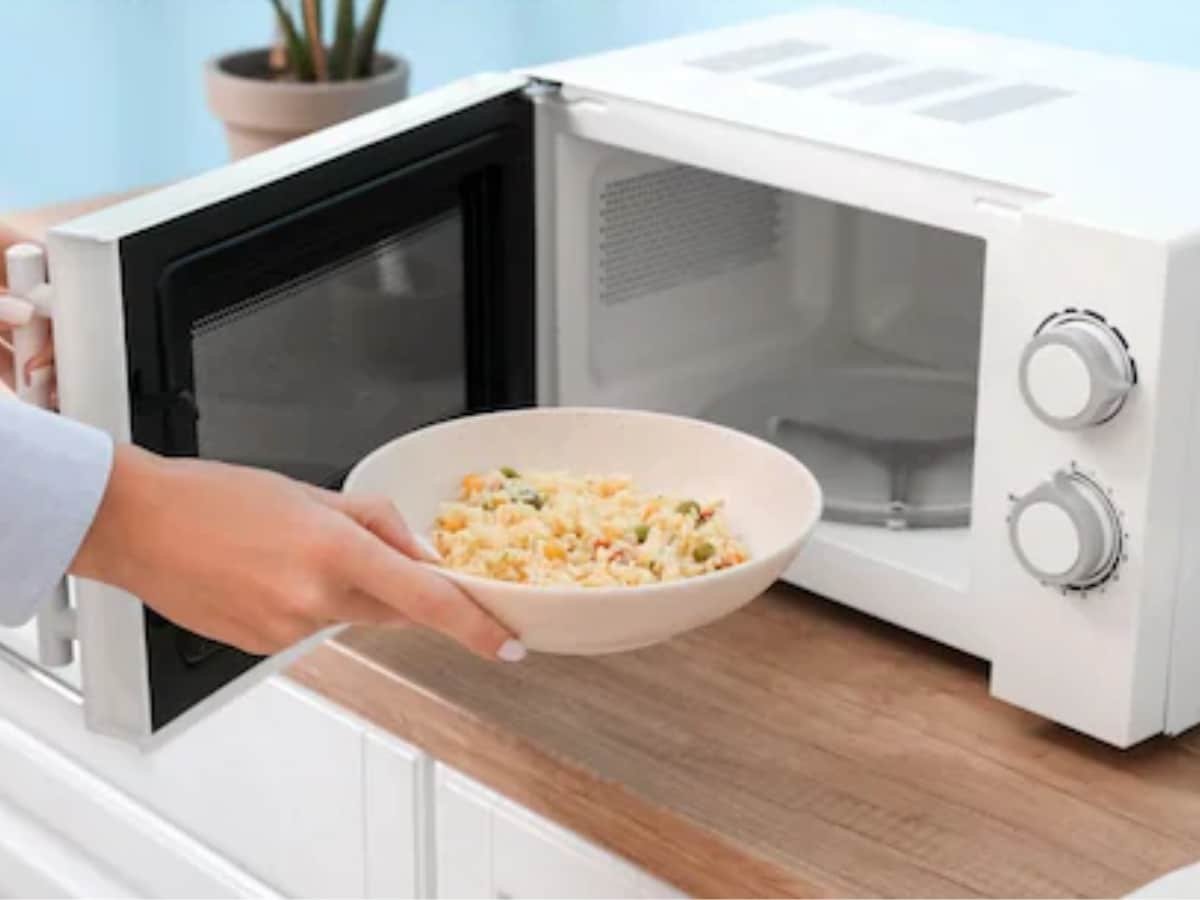
Microwaves have become an essential part of modern kitchens, making it incredibly easy to reheat food within minutes. From warming leftovers after a long day to preparing quick snacks, this appliance has simplified everyday cooking. However, convenience often leads to careless habits, and many people end up reheating foods that should actually be avoided for safety and nutrition reasons.
Health experts point out that while microwaves are generally safe, not every type of food responds well to repeated heating. In some cases, nutrients break down completely, and in others, the food structure changes in a way that may even create harmful effects for the body. This is why understanding what not to reheat is just as important as knowing how to use the appliance.
Eggs are one of the most commonly misused foods when it comes to reheating. A boiled egg that has cooled down may seem harmless to warm again in a microwave, but experts warn against it. The protein structure can change, and in some cases, pressure buildup inside the egg may even cause it to burst. While eating cold boiled eggs is safe, reheating them does not offer any nutritional benefit.
Another category that requires caution is vitamin C rich foods. Vegetables like spinach, broccoli, bell peppers, and fruits such as berries are highly sensitive to heat. When reheated in a microwave, they tend to lose most of their nutritional value, especially vitamin C, which breaks down quickly under high temperatures. As a result, the food may still look fine but offer very little health benefit.
Chicken is another food that can become problematic when reheated multiple times. The protein and fat structure in chicken can change, affecting both texture and taste. It may become dry or rubbery, and if not stored properly, it can also develop harmful bacteria. This increases the risk of digestive issues, food poisoning, and stomach discomfort. Experts suggest reheating chicken on a stovetop instead of relying on microwaves.
Seafood, especially fish, also does not handle microwave reheating well. Once reheated, fish often loses its natural texture and flavor, turning rubbery and unappetizing. More importantly, improper storage and reheating can increase the risk of foodborne illness. Fresh seafood is always recommended, and if stored, it should be consumed carefully rather than repeatedly heated.
Large cuts of meat such as steak are also on the caution list. When reheated in a microwave, the texture often becomes tough and chewy, and much of its nutritional value is lost. Experts suggest allowing meat to reach room temperature naturally before reheating it gently on a stove for better taste and safety.
While microwaves remain a time saving kitchen tool, experts emphasize that awareness is key. Choosing the right method for reheating food can make a big difference in both nutrition and health, helping avoid unnecessary risks that often go unnoticed in daily routines.