Why Diesel Engines Never Became Popular in Bikes
While diesel engines are known for mileage and power, experts say their weight, vibration, slow acceleration, and high emissions make them unsuitable for regular motorcycles and daily riders.
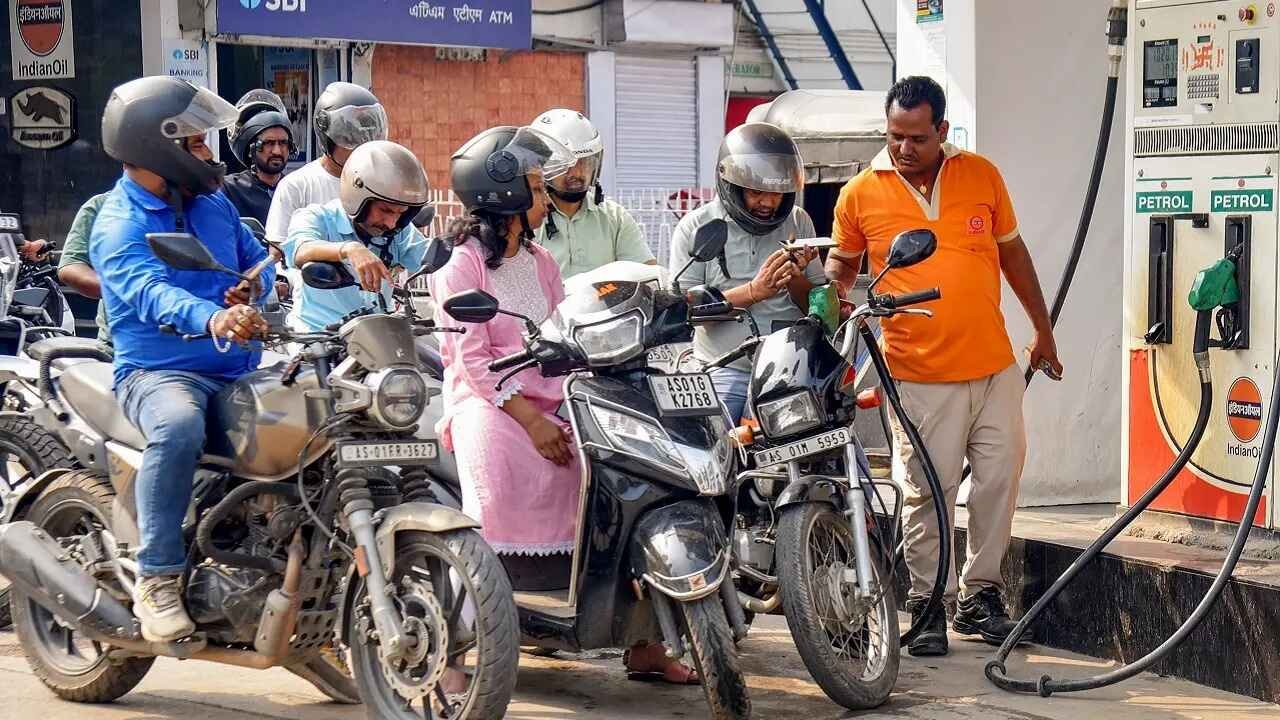
Many people know that motorcycles generally run on petrol, but very few have wondered why diesel powered bikes never became common despite diesel engines offering better fuel efficiency.
Automobile experts say the answer lies in the major difference between petrol and diesel engine technology. Both engines operate in completely different ways, and those differences create serious practical problems when diesel engines are fitted into motorcycles.
Why Diesel Engines Are Too Heavy for Bikes
Petrol engines work using spark ignition, while diesel engines depend on high compression pressure to generate power. Because of this, diesel engines need stronger and heavier internal components to withstand the pressure created inside the engine.
If such an engine is installed in a motorcycle, the overall weight of the bike increases significantly. A heavier bike becomes difficult to balance and uncomfortable for regular riders, especially in city traffic conditions.
Vibrations Become a Major Problem
Anyone standing near an idling truck or diesel vehicle can easily notice strong vibrations. Experts say the same issue becomes much worse on a motorcycle because the rider sits directly on top of the engine.
Continuous vibrations from a diesel engine can quickly cause discomfort and fatigue during long rides. This is one of the biggest reasons why diesel motorcycles failed to attract mass market buyers.
Petrol Bikes Offer Better Speed and Pickup
Motorcycle riders usually prefer quick acceleration, smooth pickup, and higher RPM performance. Petrol engines are designed to deliver fast response and better speed, which makes them ideal for bikes.
Diesel engines, on the other hand, are built mainly for torque and pulling power rather than quick acceleration. That is why diesel engines are commonly used in trucks and heavy transport vehicles instead of sports or commuter motorcycles.
Strict Emission Rules Add More Challenges
Modern BS6 Phase 2 emission regulations have made diesel technology even more difficult for small motorcycles. Diesel engines produce higher nitrogen oxide emissions and black smoke compared to petrol engines.
To meet pollution norms, manufacturers would need to add expensive filters and advanced systems, making the motorcycle bulkier and costlier.
The Royal Enfield Taurus Story
Very few people know that India once had a diesel motorcycle called the Royal Enfield Taurus. Although the bike delivered excellent mileage of nearly 80 to 90 kilometres per litre, customers did not accept it widely.
The motorcycle became unpopular because of excessive vibration, loud engine noise, black smoke, and uncomfortable riding experience. Eventually, the project was discontinued permanently.
Experts say that despite diesel fuel efficiency, petrol engines remain the best option for motorcycles because they provide better balance, smoother riding, and improved performance for everyday users.