
CERT In Issues Security Alert for Android Smartphone Users
CERT In has warned Android users about serious security flaws across several system components and urged them to install the latest software updates and security patches without delay.
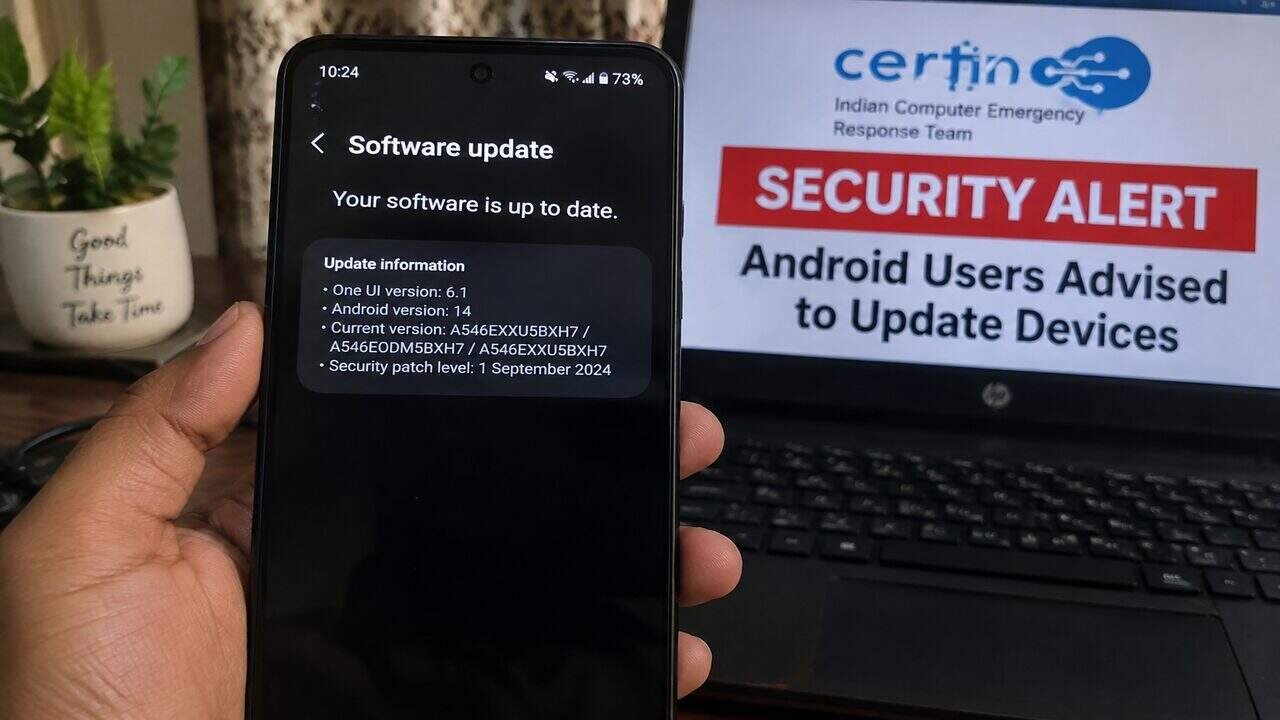
The Indian Computer Emergency Response Team has issued a security warning for Android smartphone users after identifying multiple security weaknesses in important parts of the operating system. The advisory covers Android 14, Android 15, Android 16, Android 16 QPR2 and Android 17.
The warning is important because modern smartphones hold a large amount of personal information. Photos, videos, contacts, messages, documents, passwords and banking details are often stored on the same device. A serious weakness in the system can therefore create wider risks for users if it is exploited.
CERT In has identified issues in several Android components, including Android Runtime, DocumentsUI, MediaTek Framework, Media Codecs, MediaProvider, Telephony, UWB and Wi Fi. These components perform different functions within the phone, making security updates important for keeping the device protected.
According to the advisory, attackers could potentially take advantage of the weaknesses to run unauthorised code or gain a higher level of access to the device. In some situations, sensitive information could also be exposed. The actual risk can vary depending on the device, software version and available security protections.
For users, the most important step is to check whether a new system update is waiting on the phone. On many Android devices, this can be done by opening Settings and going to System followed by Software Update. Some manufacturers place the option under Security and Privacy followed by System Updates. The exact menu can differ between smartphone brands.
The September 2026 Android security bulletin also lists fixes for several security problems. Users whose devices have received the relevant patch are advised not to postpone installation.
Keeping the operating system updated is not the only precaution users should take. Downloading applications from unfamiliar websites can expose a phone to unwanted software. Users should preferably install apps through trusted sources and check permissions before giving an application access to personal information.
Suspicious links and unexpected files also require caution. A message that appears to come from a familiar person or service can still contain a harmful link. Users should avoid opening anything that looks unusual, particularly when it asks for passwords, banking information or other sensitive details.
Automatic updates can provide another layer of protection by helping devices receive security fixes when they become available. However, users should still check their phones periodically because some updates may require manual approval or installation.
The CERT In warning serves as a reminder that keeping a smartphone updated is a basic but important part of digital security. Android users covered by the advisory should check their software version and install the latest security patch available for their device.
CERT In Android Alert, Android Security Update, Android Security Flaws, Smartphone Security, Cyber SecurityAndroid smartphone users have another reason to check the update section on their phones. The Indian Computer Emergency Response Team, or CERT In, has warned about multiple security vulnerabilities found in different parts of Android.
The alert covers Android 14, Android 15, Android 16, Android 16 QPR2 and Android 17. The availability of a fix can depend on the phone brand and model, so users should check their own devices rather than assuming that every handset has received the same update.
The reported problems are spread across several components, including Android Runtime, DocumentsUI, MediaTek Framework, Media Codecs, MediaProvider, Telephony, UWB and Wi Fi. These are not features that most users would normally notice, but they play important roles in how an Android phone operates.
The concern is what could happen if a security weakness is misused. CERT In has warned that some vulnerabilities could be used to execute unauthorised code or obtain higher levels of access on an affected device. Sensitive information could also be at risk in certain circumstances.
For most people, the practical step is quite simple. Open the phone settings and look for the software update option. On some devices it appears under System and Software Update, while other manufacturers place it under Security and Privacy. The wording may vary from one phone to another.
If a new security patch is available, users should install it instead of putting it off. Keeping the phone updated means known problems can be addressed as fixes become available from the manufacturer.
The September 2026 Android security bulletin includes fixes for a number of reported vulnerabilities. However, the timing of an update can differ between manufacturers, carriers and individual models. Some phones may receive the patch earlier than others.
Users can also take a few simple precautions while using their phones. Apps should not be downloaded from random websites simply because they are unavailable through the usual app store. Unknown applications can introduce additional security risks.
Links received through unexpected messages should be treated carefully too. A message asking someone to open a file, visit a website or provide account details may not always be genuine. It is safer to verify the source before taking any action.
Keeping automatic updates switched on can also help where the feature is supported. Even with automatic updates enabled, occasionally checking the phone’s security patch level is a good habit.
The alert does not mean every Android phone has already been compromised. It is mainly a reminder to deal with known security issues before they become a problem. Users with the affected Android versions should check for updates and apply the latest patch available for their handset.
CERT In Android Alert, Android Security Update, Android Security Flaws, Smartphone Security, Cyber Security