Ghee May Help Manage Blood Sugar Levels When Consumed in the Right Way
Moderate consumption of pure ghee may support blood sugar control by slowing digestion, improving metabolism and providing healthy fats for diabetic individuals.
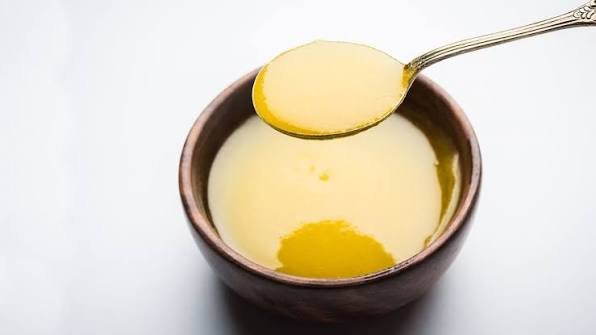
People with diabetes often avoid foods containing fats because they believe they can worsen their condition. However, health experts suggest that pure ghee, when consumed in controlled amounts, may be included in a balanced diet and could support better blood sugar management.
Ghee contains healthy fats that can slow down the absorption of carbohydrates in the body. This means glucose may enter the bloodstream more gradually after meals, helping prevent sudden spikes in blood sugar levels. However, experts also emphasize that ghee is not a replacement for diabetes medicines or medical treatment.
Adding a small amount of ghee to meals such as rice or chapati can slow digestion and help the body process carbohydrates more steadily. This slower digestion process may help maintain more stable glucose levels after eating.
Another benefit linked to ghee is its impact on metabolism and gut health. Ghee contains butyric acid, a compound that supports intestinal health. A healthy digestive system plays an important role in how the body absorbs and uses nutrients, including glucose.
Some studies also suggest that compounds found in ghee, including linoleic acid, may help improve insulin sensitivity. Better insulin function allows the body to use glucose more effectively. The healthy fats in ghee can also support energy levels and help the absorption of certain fat soluble nutrients.
For people with diabetes or prediabetes, experts recommend consuming ghee only in moderation. Around one to two teaspoons a day is generally considered a limited amount for many individuals, but the ideal quantity can vary depending on overall health, weight, cholesterol levels and medical conditions.
Some people prefer taking a small amount of pure ghee with turmeric. Turmeric contains curcumin, which has antioxidant and anti inflammatory properties. The combination may offer additional health benefits, but it should be considered only as part of a healthy lifestyle and not as a treatment for diabetes.
Choosing good quality ghee is also important. Homemade pure cow ghee or trusted sources are generally preferred over products with unnecessary additives. Adding a little ghee to warm food can be an easy way to include it in daily meals.
Despite its benefits, excessive ghee consumption can create health concerns because it is high in calories and saturated fats. Eating too much may contribute to weight gain or increased cholesterol levels, which can negatively affect overall health.
People managing diabetes should consult their doctor or nutritionist before making major changes to their diet. A balanced eating plan, regular physical activity and proper medical care remain the key factors in maintaining healthy blood sugar levels.