
Simple Home Tests To Check If Your Milk Is Pure Or Adulterated
Rising concerns over milk adulteration have made quality checks important as simple household methods can help identify water, starch, detergent and chemical contamination.
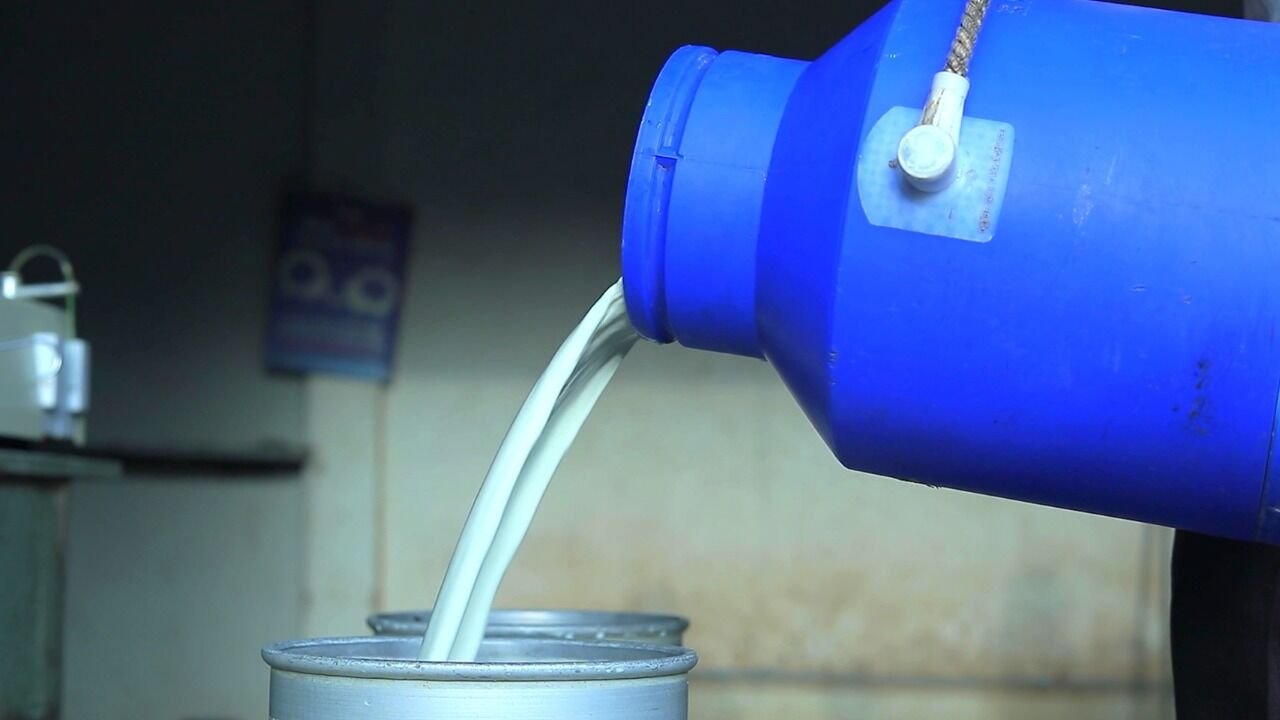
Milk is a daily essential for millions of families and is widely considered an important source of nutrients, especially for children’s growth and bone health. However, concerns over milk quality have increased after food safety checks highlighted the presence of adulteration in several samples collected across different regions.
Food safety experts have warned that milk may sometimes be mixed with substances such as water, starch, detergent, urea and synthetic materials to increase volume, thickness or improve appearance. Regular consumption of adulterated milk can reduce nutritional value and may create health concerns related to digestion, kidney function and overall well being.
While laboratory testing remains the most accurate method to confirm milk quality, some basic checks can be performed at home to identify possible adulteration.
Check for water mixed in milk
Adding water is one of the most common forms of milk adulteration. To perform a simple test, place a drop of milk on a smooth surface such as glass or a clean tile.
Pure milk generally moves slowly and leaves a visible mark behind, while milk mixed with excess water spreads quickly and leaves a thinner trail. This test can provide an early indication, although it cannot confirm the exact level of adulteration.
How to detect starch in milk
Some sellers add starch to increase the thickness of milk. To check for starch, take a small amount of milk in a glass and add a few drops of iodine solution.
If the milk turns blue, it may indicate the presence of starch. If there is no colour change, starch contamination is less likely.
Testing milk for detergent contamination
Detergent is sometimes added to make milk appear thicker and produce more foam, but consuming such milk can be harmful.
For a basic check, take around 5 to 10 millilitres of milk and mix it with an equal amount of water. Shake the mixture well and observe the foam.
If a thick layer of foam remains for a long time, it may indicate possible detergent contamination. Natural milk foam usually disappears faster.
Identifying synthetic milk at home
Synthetic milk made using chemicals or other artificial substances can be dangerous for health. It can often be suspected through changes in smell, taste and appearance.
When heated, pure milk usually gives a natural sweet smell. Synthetic milk may produce a sharp smell similar to soap or chemicals. Some people may also notice an unusual bitter or soapy taste.
Another indication is its behaviour while boiling. Synthetic milk may become unusually thick or develop a strange yellowish colour after heating.
How to check for urea in milk
Urea may be added to increase the solid content of milk, but excessive consumption can affect health, especially kidney function.
A basic test involves taking a small amount of milk and using litmus paper. If the paper changes towards blue, it may suggest the presence of urea. However, laboratory confirmation is required for accurate results.
Consumers should remain careful while buying milk and choose trusted sources whenever possible. Checking milk quality at home can help identify possible problems at an early stage, but it should not replace official food safety testing.
If there is strong suspicion of adulteration, consumers should get the milk tested at an authorised laboratory or report the issue to food safety authorities. Maintaining milk quality is an important step toward protecting family health.