Urban Heat Island Effect Drives Hyderabad Toward Its Hottest Summer on Record
Hyderabad recorded an unprecedented stretch of extreme heat this year as rising urbanization, shrinking water bodies and declining green cover intensified the Urban Heat Island effect.
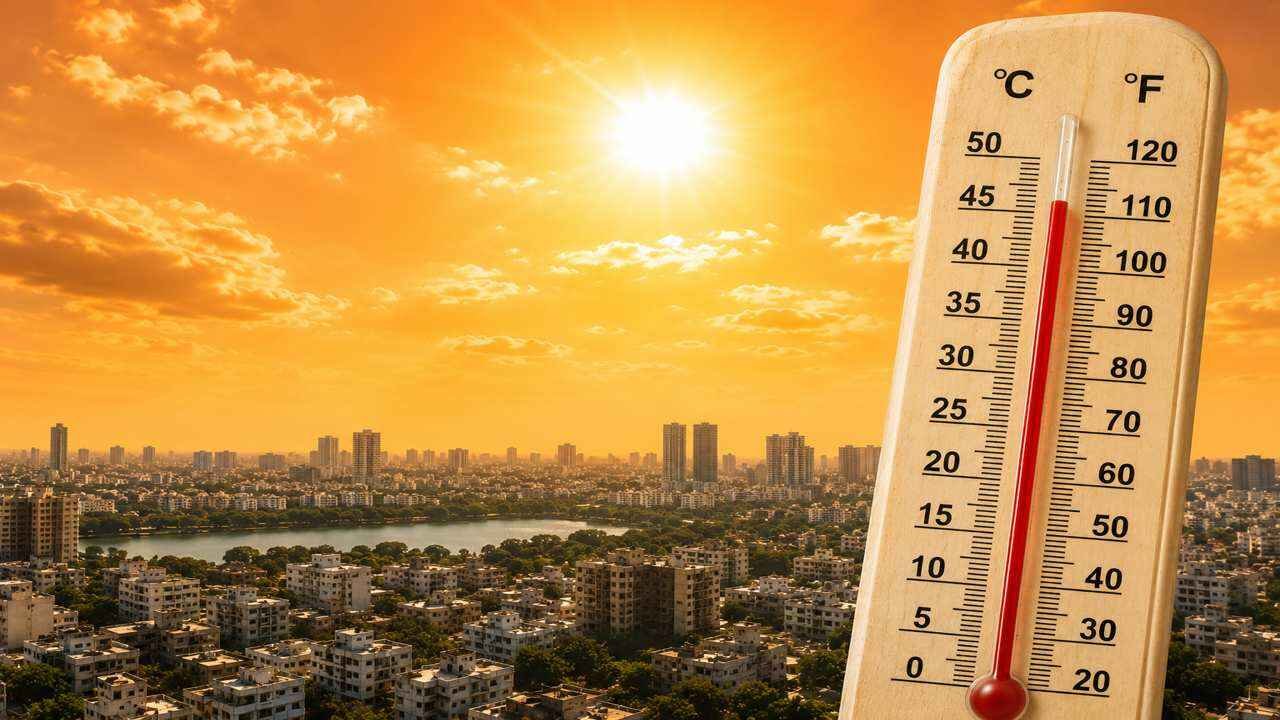
Hyderabad has experienced one of the most intense summers in its recorded climate history, with soaring temperatures and prolonged heat conditions affecting residents across the city. Experts say the growing Urban Heat Island effect has played a major role in pushing temperatures to unprecedented levels.
Data from the current summer season shows that between April 1 and June 1, temperatures crossed the 40 degree Celsius mark on 47 different days. The figure surpasses the previous record set in 2015, when the city recorded 42 such days. In comparison, only three days crossed 40 degrees Celsius during the summer of 2021.
Unlike earlier heatwave years when temperatures rose sharply for short periods before easing, this year’s heat remained persistent for nearly two months. Residents across areas ranging from Amberpet and Himayatnagar to Gachibowli and Medipally endured continuous high temperatures with little relief.
The impact was felt not only during the daytime but also throughout the night. Many residents reported uncomfortable conditions after sunset as temperatures remained elevated and the city struggled to cool down. Climate specialists point to rapid urban expansion as a key reason behind this trend.
According to experts, the increasing spread of concrete structures, asphalt roads and high rise buildings has weakened Hyderabad’s natural cooling mechanisms. These surfaces absorb large amounts of heat during the day and gradually release it after sunset, keeping urban temperatures significantly higher than surrounding rural areas.
The widespread use of air conditioners is also contributing to the problem. While cooling indoor spaces, these systems release heat outdoors, adding to the warming effect in densely populated neighborhoods.
Environmental researchers have also highlighted the loss of lakes, ponds and green spaces across the city. Water bodies and vegetation traditionally help regulate temperatures, but their shrinking presence has reduced Hyderabad’s ability to naturally moderate extreme heat.
The Urban Heat Island effect refers to a phenomenon in which cities become considerably warmer than nearby rural regions due to extensive construction, reduced vegetation and heat absorbing infrastructure. As urbanization accelerates, this effect becomes more pronounced and can significantly increase the severity of heatwaves.
Climate experts warn that if current development patterns continue without adequate environmental planning, extreme summers could become more frequent and intense in the coming years. They stress the need for preserving green cover, protecting water bodies and adopting sustainable urban planning measures to reduce future heat risks.