POCO X8 Pro Max Review Massive Battery and 120FPS Gaming but Camera Holds It Back
POCO X8 Pro Max focuses heavily on performance and endurance with a huge battery smooth display and strong gaming power but camera and software still leave room for improvement in daily use experience overall
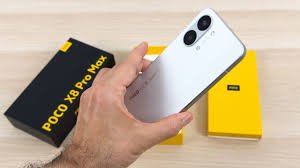
POCO has built its reputation on delivering performance focused smartphones at competitive prices, and the new POCO X8 Pro Max continues that same strategy with an even stronger push toward gaming power and battery life. After spending time with the device, it becomes clear that this is not a phone designed for everyone. Instead, it is built for users who prioritize speed, endurance and heavy usage over camera quality or lightweight design.
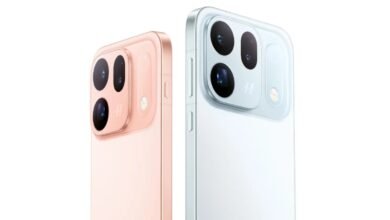
At first glance, the phone gives a bold and slightly aggressive impression, especially with its gaming inspired design language. The fibreglass back combined with a metal frame adds durability, but the 220 gram weight makes it noticeably heavy during long one handed use. RGB lighting around the camera module adds a gaming style identity, glowing during notifications, charging and gameplay without feeling overly flashy. One of the strongest aspects of the build is its durability, with multiple protection ratings including IP66, IP68, IP69 and IP69K, making it far more resistant to water, dust and pressure than most devices in this segment.
The display experience is one of the highlights of the POCO X8 Pro Max. It features a 6.83 inch AMOLED panel with a 120Hz adaptive refresh rate that keeps scrolling, gaming and video playback smooth and responsive. HDR10+ support enhances the viewing experience on streaming platforms, delivering vibrant colours while still allowing users to switch to a more natural tone if preferred. Brightness levels are impressive, making outdoor visibility easy even under harsh sunlight, while night viewing remains comfortable for the eyes.
Performance is where the device truly stands out. Powered by the Dimensity 9500s processor paired with LPDDR5X RAM and UFS 4.1 storage, the phone handles multitasking effortlessly. Apps open quickly and switching between them feels seamless. Heavy games like BGMI and Genshin Impact run smoothly, with BGMI reaching up to 120FPS gameplay, which will appeal strongly to mobile gamers. Thermal control is stable as well, keeping temperatures under control even during long gaming sessions or 4K rendering tasks, with only mild heating that quickly returns to normal.
However, the software experience is not completely refined. Running on Android 16 based HyperOS 3, the interface offers extensive customization options along with useful AI features such as Google Gemini integration, Circle to Search and AI Eraser tools. Despite these additions, occasional inconsistencies in animations and minor delays in heavy apps can be noticed. The presence of bloatware and preinstalled applications also affects the overall clean experience, although many of them can be disabled.
Camera performance is arguably the weakest area of the POCO X8 Pro Max. The 50 megapixel primary sensor performs well in good lighting conditions, producing decent and social media ready images. However, it struggles to stand out in its price range. Portrait shots occasionally face edge detection issues, while low light performance remains average at best. The ultra wide camera also lacks detail and autofocus support, making it less versatile compared to competitors that focus more on photography.
Battery life is where this smartphone clearly dominates. The massive 9000mAh silicon carbon battery easily lasts up to two days on a single charge, even with heavy usage. Screen on time can reach around 12 hours, which is impressive for a device with such high performance capabilities. The 100W fast charging support ensures that despite the large battery, the phone can be fully charged in about an hour. It also supports 27W reverse wired charging, allowing users to power other devices when needed.
After evaluating all aspects, the POCO X8 Pro Max clearly positions itself as a performance first smartphone. It is best suited for gamers, power users and those who want long lasting battery life without frequent charging breaks. While the camera and software refinement could be better, the overall package still feels strong for its price point of Rs 42999.
The strengths of the device lie in its powerful gaming performance, massive battery, fast charging support, smooth display and durable build quality. On the downside, the camera is only average, the software includes ads and bloatware and the phone feels bulky during extended use. Overall, it delivers a focused experience rather than a balanced one, which may appeal strongly to the right kind of user but not everyone.