
Can Alcohol Change the Way Your Brain Works New Study Raises Concerns About Long Term Effects
Recent scientific findings suggest that excessive alcohol consumption over time may alter brain structure, reduce neural connections, and affect memory, focus, and decision making abilities in noticeable and lasting ways
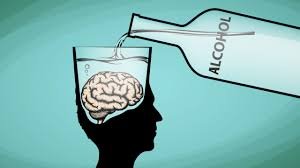
The human brain controls every function of the body, yet everyday habits can quietly influence how it performs. A recent study published in journals such as Progress in Neuropsychopharmacology and Biological Psychiatry highlights how long term and heavy alcohol consumption may negatively impact brain health in ways that are often underestimated.
Researchers point out that continuous alcohol intake can affect both the structure and functioning of the brain. Over time, brain cells may shrink and undergo changes that reduce their efficiency. In severe cases, the overall size of the brain may also be affected, which can gradually impact cognitive abilities and mental clarity.
One of the most concerning findings is the effect of alcohol on neural connections. The brain relies on these connections to process thoughts, form memories, and learn new information. Excessive drinking can disrupt this system, slowing down the creation of new neurons and even damaging stem cells that support brain repair and growth.
As these changes progress, individuals may begin to notice difficulties in concentration and decision making. Learning new skills can become harder, and the ability to retain information may weaken. Over time, this can also lead to reduced focus and slower mental responses in daily life.
The study further explains that prolonged alcohol use can cause visible changes in brain cells. These structural alterations may gradually influence how a person thinks, remembers, and processes information. The impact is often not immediate, but builds up silently over years of consumption.
Scientists emphasize that while occasional or moderate consumption may have different effects, long term heavy drinking carries significant risks for brain health. The findings serve as a reminder of how deeply lifestyle choices can influence mental functioning and overall cognitive well being.