India Set for One Login Public Wi Fi Revolution as TRAI Plans Major PM WANI Upgrade
TRAI is preparing a new nationwide public Wi Fi system under PM WANI where users may soon access thousands of hotspots across India using a single login while improving security speed and connectivity experience
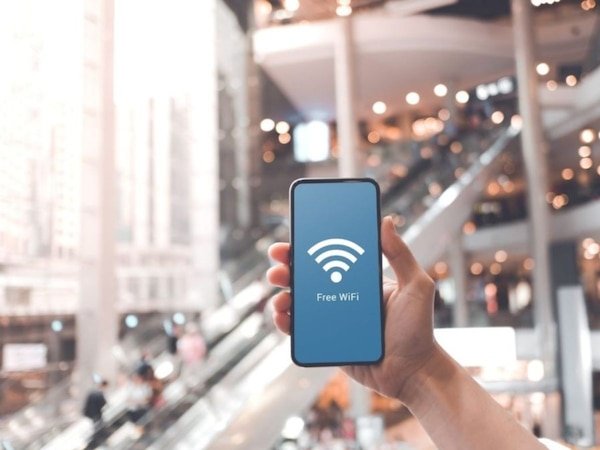
India’s public internet access system may soon undergo a major transformation that could change the way people connect on the go. The Telecom Regulatory Authority of India is working on a new framework aimed at simplifying public Wi Fi usage across the country under the PM WANI initiative. The goal is to remove repeated login hassles and make internet access as seamless as mobile data.
At present, users have to register separately every time they connect to a new hotspot, whether at a railway station, library, park or shopping mall. This often means repeated OTP verifications and logins, which many users find inconvenient. The proposed system aims to eliminate this friction completely by allowing access through a single authentication process.
Once implemented, the new model will let users log in just once and stay connected to more than four lakh public Wi Fi hotspots across India. This means travelers and daily commuters will be able to access high speed internet anywhere without going through repeated verification steps.
Security is also a major focus of this upgrade. The system is expected to adopt advanced standards like WPA3 Wi Fi Protected Access to ensure safer browsing and secure digital payments. This is especially important as more users rely on public networks for banking apps and UPI transactions. The idea is to create a safe environment where convenience does not compromise security.
TRAI has also suggested a more balanced model for internet distribution. Urban areas may get enhanced high speed connectivity, while rural regions could benefit from community based Wi Fi networks. This approach is designed to reduce the digital gap between cities and villages.
Despite the large rollout of PM WANI hotspots, current adoption remains low in India. Reports suggest that only around two percent of the population actively uses public Wi Fi, compared to much higher usage in countries like South Korea and the United States. Experts believe that ease of access is one of the main barriers that this new system aims to fix.
Another important part of the proposal is making the system financially sustainable for operators. TRAI has highlighted that earlier models struggled because they lacked strong revenue opportunities. The new plan introduces multiple earning channels such as ad supported free Wi Fi, premium paid high speed plans and possible government financial support to encourage wider participation.
According to industry experts, including former telecom officials, this change could reduce pressure on mobile networks while making internet access more affordable and widely available. If implemented successfully, it may mark a major step toward building a truly connected digital India where a single login can open doors to nationwide connectivity.