
DGCA Tightens Air Travel Rules on Power Banks After Inflight Fire Incident Raises Safety Concerns
India’s aviation regulator DGCA has introduced strict new guidelines on power bank usage in flights after a fire incident in a Chandigarh bound IndiGo flight raising major safety concerns for passengers and crew
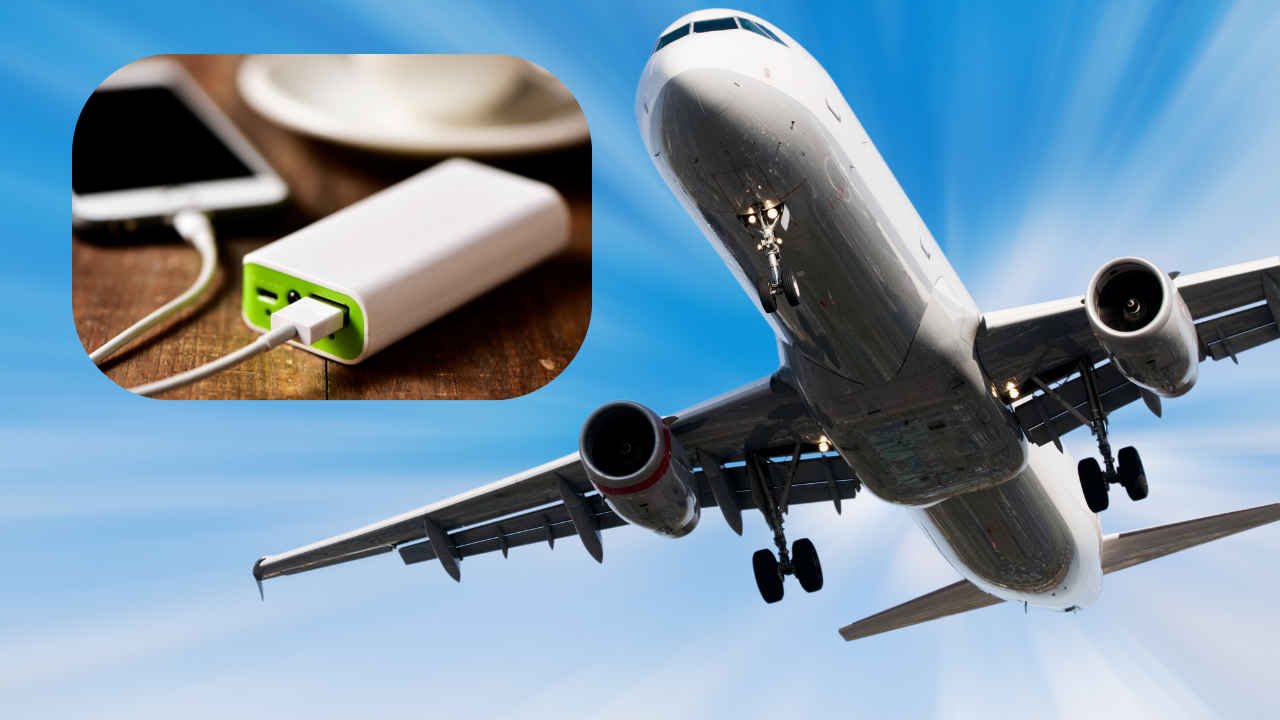
Air travel in India has entered a new phase of stricter safety monitoring after the Directorate General of Civil Aviation issued fresh guidelines on the use of power banks onboard aircraft. The move comes in the wake of a serious incident involving an IndiGo flight where a suspected power bank caught fire after landing at Chandigarh airport, filling the cabin with smoke and causing panic among passengers and crew members.
The incident has once again highlighted global concerns around lithium ion batteries, which are widely used in everyday electronic devices. These batteries, while convenient, are known to carry risks of overheating and short circuits, especially when not handled properly during air travel. Aviation authorities believe even a small lapse in safety inside an aircraft can quickly escalate into a major emergency situation.
Under the new DGCA rules, passengers are no longer allowed to keep power banks in checked in luggage. They can only be carried inside hand baggage. The logic behind this restriction is simple but important. If a battery catches fire in the cargo hold of an aircraft, it becomes extremely difficult for the crew to control the situation quickly. Keeping it within reach in the cabin allows faster response in case of any emergency.
However, the restrictions do not end there. The regulator has also made it clear that power banks or spare lithium batteries should not be stored in overhead cabin bins. According to aviation safety experts, if a battery begins to emit smoke or heat inside a closed overhead compartment, it may go unnoticed for critical minutes. Keeping such devices within personal reach is now considered the safer option.
One of the most significant changes introduced is the complete ban on using power banks to charge devices during flights. Passengers will no longer be able to charge mobile phones, laptops, tablets, or smartwatches using power banks while in the air. Even charging a power bank through seat mounted USB ports has been prohibited. Airlines have been instructed to clearly communicate these rules to passengers through announcements before and during flights.
The DGCA has also emphasized the importance of immediate reporting in case any electronic device shows signs of malfunction. If passengers notice unusual heat, smoke, sparks, or a burning smell from any gadget, they are advised to alert cabin crew without delay. Officials stress that even minor technical issues can turn into serious safety threats if ignored during flight.
In addition to usage restrictions, the new guidelines also focus on how spare batteries should be handled. Passengers carrying extra lithium batteries, including those used in cameras, drones, or other electronics, are advised to cover battery terminals with tape or store them in protective cases. This simple precaution reduces the risk of short circuits during transit.
According to Civil Aviation Minister K Ram Mohan Naidu, these updated regulations are aligned with international aviation safety standards. He noted that similar incidents have been reported across the world where lithium batteries have overheated or caught fire during flights, making stricter preventive measures necessary for passenger safety.
With air travel becoming increasingly dependent on electronic devices, authorities believe awareness is just as important as regulation. Travelers are now encouraged to carry power banks responsibly, avoid unnecessary usage during flights, and remain alert to any unusual signs from their devices.
As these new rules come into effect, passengers will need to adapt their travel habits. What once seemed like a harmless travel essential is now under closer scrutiny, reminding everyone that safety in the skies depends on careful handling of even the smallest devices.