Online Shopping Delivery Box Scam Rising During Amazon and Flipkart Sales Experts Warn Users to Stay Alert
Cyber experts caution that careless disposal of online shopping delivery boxes during Amazon and Flipkart sale seasons may expose personal data leading to identity theft phishing calls and possible bank account fraud risks
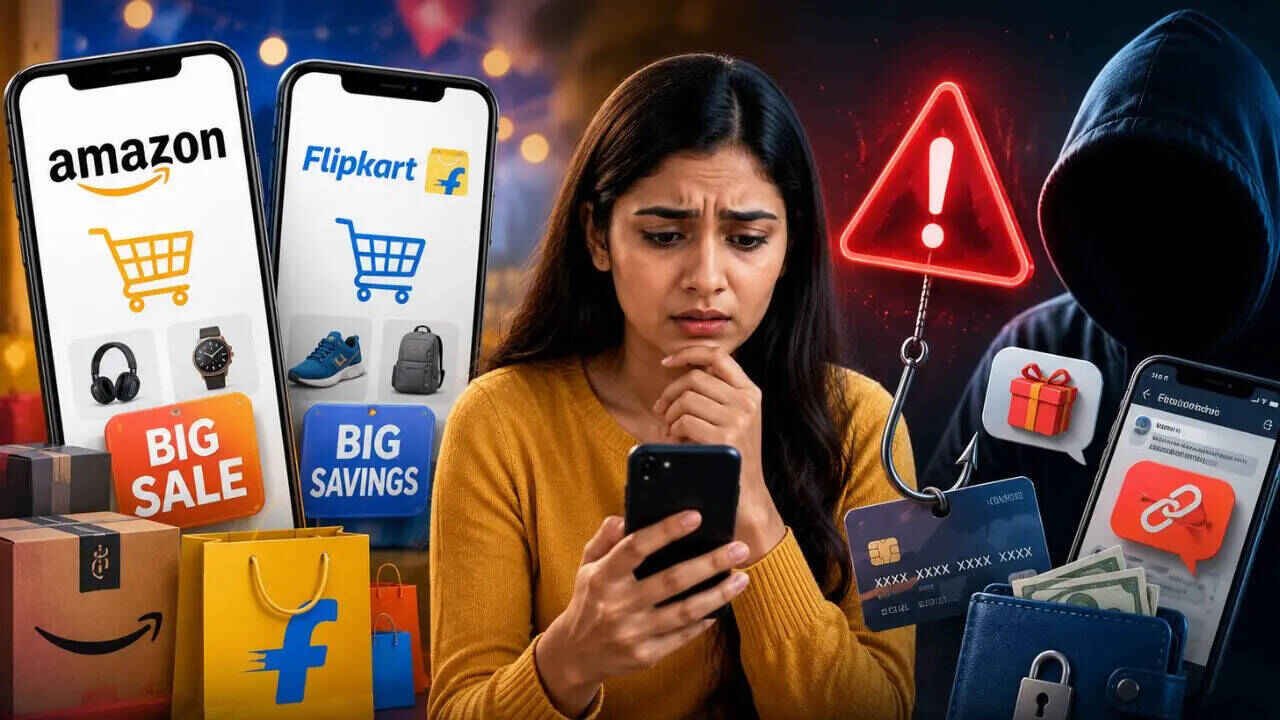
Online shopping has become a normal part of daily life, especially during big sale events on platforms like Amazon India and Flipkart. Homes are often filled with delivery boxes during these festive discounts, and most people open them in excitement and throw the packaging away without a second thought. However, this simple habit is now being flagged as a growing cyber risk that many users are still unaware of.
Cybersecurity experts are warning about a rising threat known as the delivery box scam. At first glance, it may sound harmless, but it can lead to serious financial fraud. The danger begins with something as ordinary as a discarded cardboard box that still carries sensitive personal details printed on its shipping label.
These labels usually contain the customer’s name, phone number, address, and sometimes even order related information. Once the package is thrown away without removing or destroying the label, it becomes an easy target for scammers. Fraudsters collect such discarded boxes and extract personal data from them, treating them like a ready source of information for targeting victims.
The scam typically unfolds in a simple but dangerous way. After collecting details from these boxes, scammers may call the customer pretending to be from customer support or a delivery feedback team. Since they already know personal details like name and contact number, their calls sound convincing. They often lure users with fake cashback offers, discount rewards, or gift vouchers, asking them to click on a link or share verification details.
Once a user clicks on a malicious link, it can lead to malware being installed on the phone or redirect them to fake websites designed to steal sensitive information. In many cases, victims unknowingly share banking credentials, OTPs, or login details, which can later be used to drain accounts or commit fraud.
The risk becomes even higher during online sale seasons. With millions of orders being placed in a short period, there is a surge in delivery boxes and personal data exposure. At the same time, customers are expecting offers, refunds, and promotional calls, which makes them more likely to trust unknown callers. Scammers take advantage of this mindset and time their attacks carefully.
Security specialists suggest that small habits can make a big difference in preventing such frauds. One of the simplest steps is to never throw delivery boxes directly into the bin with labels intact. Customers should either tear off the shipping label completely or use a marker to black out all visible personal information before disposal. Cutting the label into pieces is even safer as it ensures no readable data is left behind.
Another important precaution is to avoid clicking on any suspicious links received through calls or messages. Genuine platforms like Amazon and Flipkart do not ask users to download random apps or share OTPs for cashback rewards. Any call that pressures users into quick action or offers unrealistic rewards should be treated with caution.
Cyber experts emphasize that awareness is the strongest protection. While online shopping continues to grow and offer convenience, cybercrime tactics are also becoming more advanced. The delivery box scam may seem small, but its impact can be serious if personal data falls into the wrong hands. A few seconds of care while disposing of packaging can prevent major financial loss and protect digital identity in the long run.