H-1B Visa Fee: Trump Extends $100,000 Payment Rule for Another Year
The Trump administration has extended the $100,000 H-1B payment requirement for another year, keeping new overseas applications under tighter financial restrictions amid ongoing legal challenges.
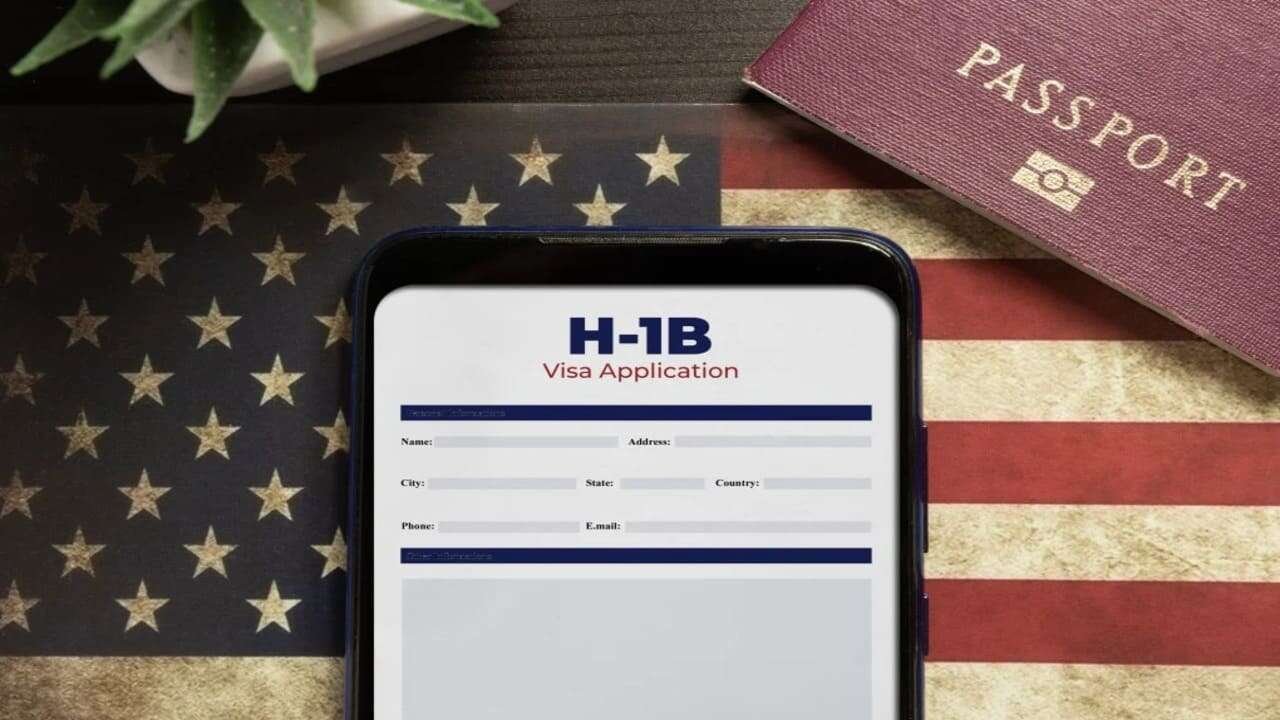
H-1B Visa Fee: The Trump administration has extended the $100,000 payment requirement linked to certain new H-1B visa applications, keeping the measure in place for another year. President Donald Trump signed a new proclamation on September 18 to continue the restriction, which was first introduced in 2025.
Under the renewed policy, employers seeking to bring certain H-1B workers into the United States from abroad will have to make the $100,000 payment. The extension takes effect from September 21, 2026, and is scheduled to remain in force for 12 months unless it is extended again.
The amount is substantially higher than the costs employers previously faced for H-1B filings. Before the 2025 change, typical H-1B-related government fees were generally in the range of a few thousand dollars, depending on the circumstances of the petition. The new payment therefore represents a major increase for employers affected by the rule.
The administration says the policy is intended to address what it describes as abuse of the H-1B system, particularly involving lower-paid foreign workers and some outsourcing and staffing companies. The White House has also directed federal agencies to examine factors such as employer layoffs and wage information while processing H-1B-related applications.
The latest proclamation does not apply in exactly the same way to every H-1B worker. The renewed restriction specifically targets certain workers who are outside the United States and need to enter the country to take up an H-1B position. The proclamation also allows for limited exceptions when the Department of Homeland Security determines that hiring a particular worker is in the national interest.
That distinction is important for people already living in the United States. The White House has previously clarified that the $100,000 requirement was aimed at new applications involving workers coming from outside the country rather than existing H-1B holders simply continuing their status. Foreign graduates already in the United States are also among those identified as exempt from the payment under the administration’s policy.
India is particularly significant in the H-1B system because Indian professionals make up a large share of H-1B beneficiaries. The programme is widely used by technology companies and other employers that need workers in specialised occupations.
The administration says the policy has already changed H-1B filing patterns. According to the White House, registrations submitted by the largest IT outsourcing companies fell by 92% after the 2025 proclamation took effect. That figure is an administration estimate and reflects its interpretation of the policy’s impact.
The rule has also faced legal challenges. A federal judge previously blocked the $100,000 fee, ruling that the administration had exceeded its authority. The government has appealed, and the dispute remains before the courts. Reuters reported that a Boston-based appeals court is reviewing the earlier decision while another legal challenge involving the U.S. Chamber of Commerce is also moving through the courts.
That means the future of the payment requirement is not entirely settled despite Trump’s latest extension. The administration has chosen to continue the policy while the legal proceedings remain active.
For companies planning to hire H-1B workers from outside the United States, the extension means the financial barrier remains in place. For foreign professionals, particularly those planning to move to the US through the H-1B route, the rule adds another factor to consider alongside the existing visa process.
The White House has also ordered federal agencies to strengthen coordination around H-1B applications. Officials have been directed to consider whether sponsoring employers recently laid off, or plan to lay off, similarly situated US workers when evaluating applications.
With the new proclamation now extending the $100,000 requirement through September 2027, employers and prospective H-1B workers will continue to watch both the implementation of the policy and the court cases challenging it. The final legal outcome could determine whether the payment remains in place beyond the current extension.