Summer Curd Mistakes That Can Turn a Healthy Food Into a Problem if Not Consumed the Right Way
Experts warn that improper consumption of curd in hot weather may lead to digestion issues skin problems and discomfort while traditional buttermilk remains a safer and more beneficial option for the body
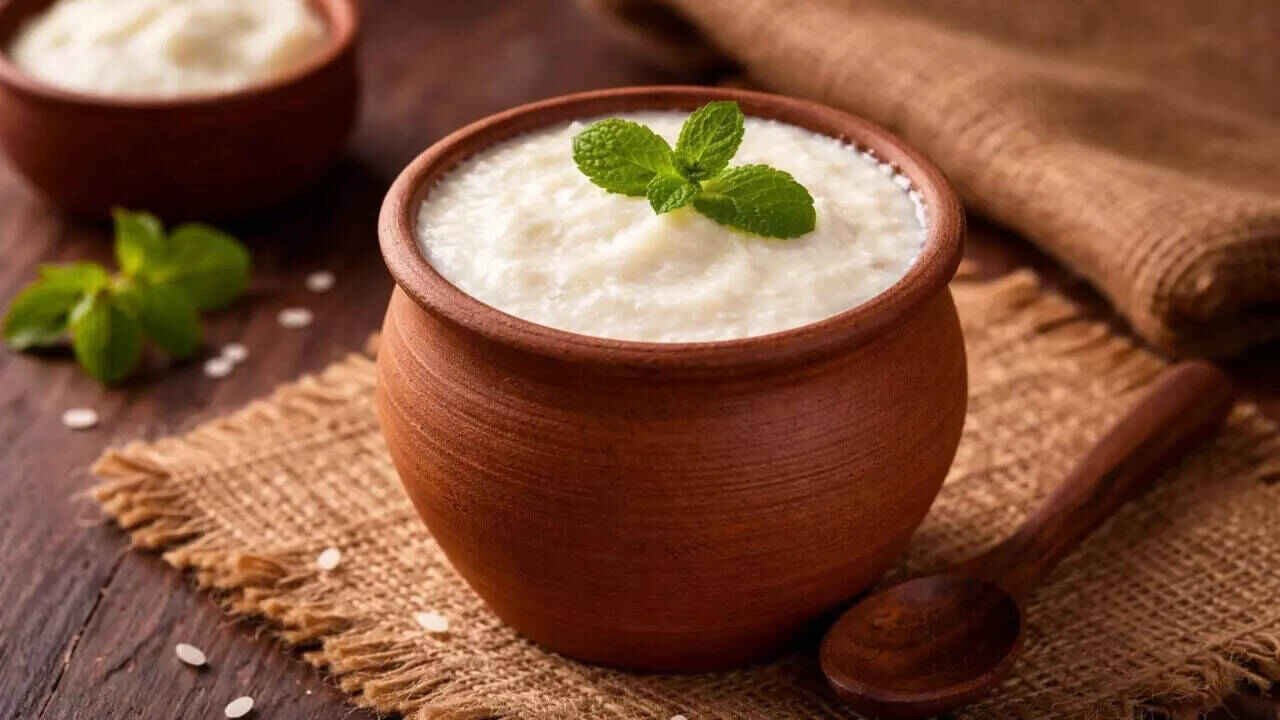
When summer heat peaks, most households naturally turn to curd, buttermilk and lassi for relief. The cooling effect makes them a popular choice during hot afternoons. However, health specialists now caution that curd is not as harmless as it appears when consumed without care. Even a small mistake in timing or preparation can lead to bloating, acidity, skin irritation and general discomfort.
Interestingly, curd is not equally suitable for everyone. While it is packed with probiotics, calcium and protein, its impact varies from person to person. Many people prefer eating it straight from the refrigerator, assuming it will give instant cooling. In reality, this habit can disturb digestion and sometimes trigger cold related symptoms or throat irritation. Some individuals even notice acne or rashes after regular intake, which may indicate that curd does not suit their body type.
Ayurvedic experts describe curd as a heavy food that generates internal heat if not consumed correctly. During peak summer, thick curd eaten directly can sometimes increase body heat instead of cooling it. This is why traditional practices have always encouraged diluted forms rather than eating it plain.
A healthier alternative is buttermilk, which is lighter on the stomach and easier to digest. When curd is mixed with water, a pinch of salt and roasted cumin powder, it becomes buttermilk that helps restore hydration and balance body temperature. It is often considered more beneficial during hot weather compared to thick curd. Allowing curd to reach normal temperature before consumption also reduces digestive stress.
There is also growing awareness about sweetened lassi, which many enjoy as a summer drink. However, excessive sugar in lassi can lead to weight gain and may even disturb sleep patterns. Moderation becomes important here, especially for those monitoring their calorie intake.
People dealing with acidity, gas or frequent bloating are often advised to reduce thick curd intake and prefer diluted buttermilk instead. Those with skin sensitivities should also be cautious and consult medical advice if reactions occur. Low fat or unsweetened curd options are generally considered safer choices for regular consumption.
In many rural regions, drinking cumin buttermilk after lunch remains a daily habit. This simple practice is not just tradition but also a natural way to prevent dehydration and improve digestion. It reflects how everyday food choices can quietly support health when followed correctly.
Ultimately, curd itself is not the problem. The way it is consumed makes all the difference. In summer, small adjustments in timing, temperature and preparation can turn it into a truly beneficial food rather than a source of discomfort.