No Major Change Planned for Aadhaar Card Design, Government Clarifies Rumours
Government dismisses viral claims about Aadhaar redesign, confirms existing formats remain valid while QR code security continues to be strengthened for safer and more reliable identity verification across services
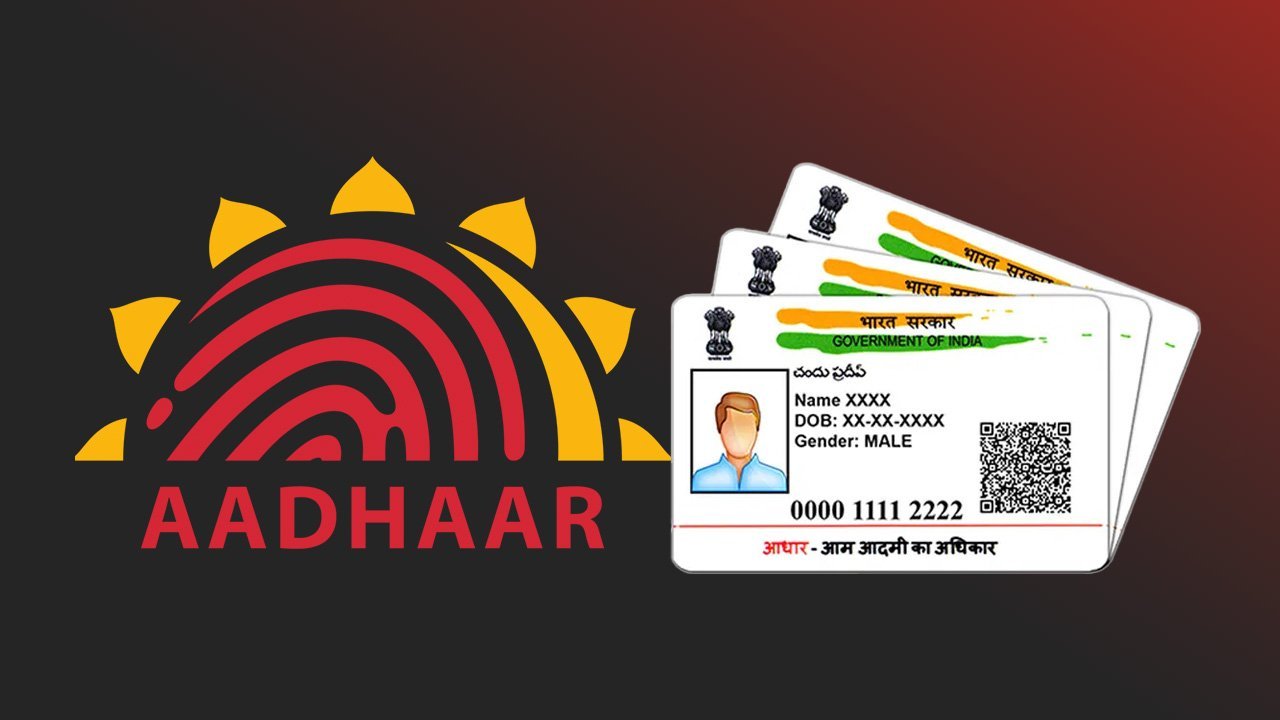
Amid growing speculation about a possible redesign of the Aadhaar card, authorities have stepped in to set the record straight. Recent reports suggested that a simplified version featuring only a photograph and QR code would soon replace the current format. However, Unique Identification Authority of India has clarified that no such overhaul is being implemented at this time.
According to officials, the existing Aadhaar system continues to remain fully valid, and there has been no official announcement regarding a new card format. The clarification comes as millions of users expressed confusion over whether they would need to update or replace their current cards.
The discussion around the QR code, however, is not entirely misplaced. Authorities highlighted that the QR code embedded in Aadhaar plays a crucial role in secure identity verification. By scanning it, essential details can be accessed instantly in a safe manner, helping reduce the risk of fraud. Efforts are ongoing to further strengthen this feature rather than remove other details from the card.
For now, Aadhaar holders can continue using their existing cards without any concern. There is no requirement to apply for a new version, and all currently issued formats remain acceptable for official use. This reassurance is expected to ease concerns among users who feared sudden changes to one of the country’s most widely used identity documents.
It is also worth noting that Aadhaar is already available in multiple formats. Users can access it as a printed letter, a PVC card, a downloadable digital file, or through the mAadhaar mobile application. Each version holds equal validity, offering flexibility depending on user preference and convenience.
In a related clarification, authorities reiterated that while Aadhaar serves as a widely accepted identity proof, it should not always be treated as definitive proof of date of birth. For official purposes requiring age verification, additional documents such as birth certificates or academic records may still be necessary.
The government’s response underscores a broader effort to curb misinformation while reinforcing trust in digital identity systems. For now, Aadhaar users can rely on the current structure without worrying about any sudden or mandatory changes.