Iran Plans Grand State Funeral for Former Supreme Leader Ali Khamenei
Iran is making large scale arrangements for the state funeral of former Supreme Leader Ali Khamenei, months after his death, following delays caused by prolonged regional conflict.
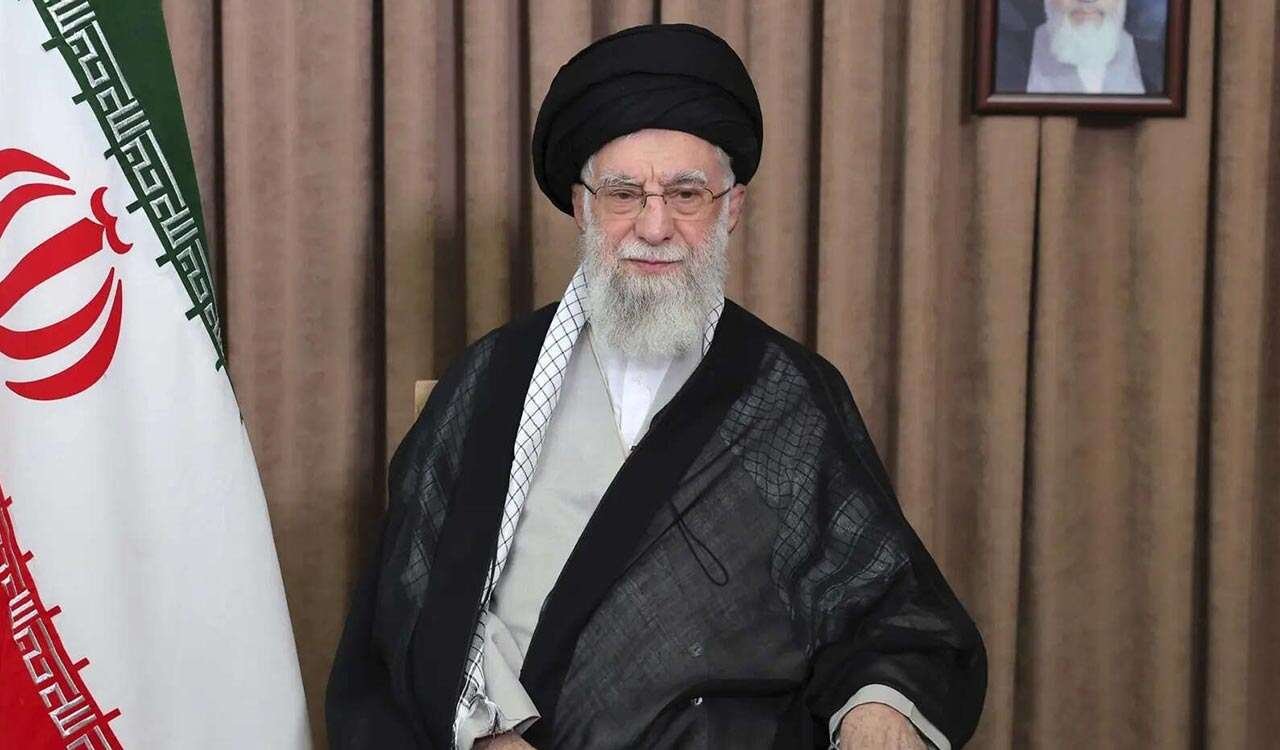
Iran has begun extensive preparations for the state funeral of former Supreme Leader Ali Khamenei, bringing closure to an event that was delayed for months due to ongoing regional tensions and military conflict. Authorities are now moving ahead with plans to organize one of the largest official funeral ceremonies in the country’s history.
According to reports from Iranian state media, a dedicated headquarters has been established to coordinate all arrangements related to the funeral. Multiple government departments and security agencies are working together to manage logistics, security, and public participation for the event.
Although officials have not yet announced the exact date of the funeral, preparations are reportedly being accelerated so that the ceremony can begin immediately once the final schedule is approved. Iran expects a large turnout of citizens from across the country, along with international representatives and dignitaries.
The funeral was delayed because of the prolonged conflict involving Iran, the United States, and Israel. While a temporary ceasefire has reduced the intensity of hostilities in recent months, a broader peace agreement has yet to be reached. The easing of military tensions has now allowed authorities to move forward with plans for the official farewell ceremony.
Iranian officials said security arrangements are being strengthened given the significance of the event and the expected attendance. The funeral is likely to become one of the most closely watched state occasions in the region.
Ali Khamenei led the Islamic Republic for more than three decades and remained one of the most influential figures in Iran’s political and religious establishment. His death marked a major turning point for the country during a period of heightened geopolitical uncertainty.
Earlier this year, Iran held a memorial event in his honor, but a full state funeral could not be conducted because of the prevailing conflict situation. Officials now believe conditions are suitable to organize the formal ceremony on a much larger scale.
The developments have attracted international attention as Iran prepares to pay its final respects to a leader who played a central role in shaping the country’s modern political direction.