Hyderabad Mumbai Bullet Train to Cut Travel Time to Three Hours
The proposed Hyderabad Pune Mumbai bullet train corridor will drastically reduce travel time with high speed connectivity, modern stations, tunnels, bridges, and advanced rail infrastructure across three states.
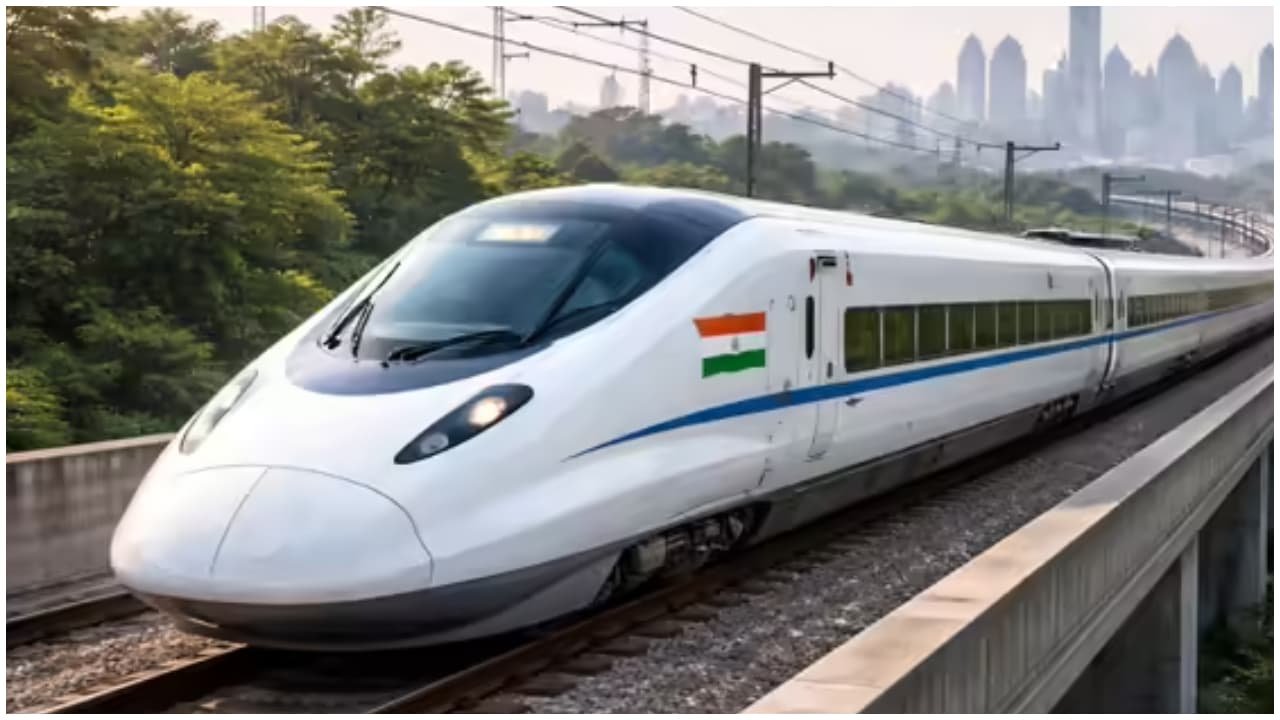
Travelling between Hyderabad and Mumbai could soon become much faster as the detailed project report for the proposed Hyderabad Pune Mumbai bullet train corridor has now been prepared. Once completed, the high speed rail network is expected to reduce travel time between the two major cities from nearly fifteen hours to just around three hours.
The ambitious corridor will cover a total distance of 671 kilometres and connect important cities across Telangana, Karnataka, and Maharashtra. Officials said the bullet train will operate at speeds of up to 300 kilometres per hour, offering one of the fastest rail travel experiences in the country.
According to the National High Speed Rail Corporation Limited, the field survey for the project has already been completed and the proposal has now entered the DPR stage. Estimates suggest passengers may be able to reach Mumbai from Hyderabad in as little as 2.55 hours under certain conditions.
The project forms part of the central government’s larger plan to develop seven high speed rail corridors across India. Among them, Hyderabad is expected to become a key hub with proposed bullet train routes connecting the city to Mumbai, Chennai, and Bengaluru.
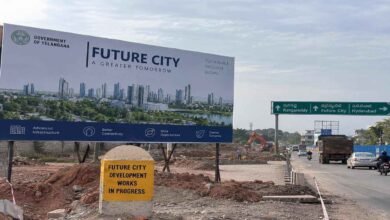
Several stations have been proposed along the route. In Telangana, stations are likely to come up at Kokapet, Vikarabad, and near Shamshabad Airport. Other proposed stops include Pune, Navi Mumbai, Thane, Lonavala, Solapur, Kalaburagi, and additional major urban centres across Maharashtra and Karnataka.
The corridor will feature massive engineering works including 101 bridges, underground stretches, and long tunnels through difficult terrain. Officials revealed that around 35 kilometres of underground sections are planned in Maharashtra, while thirteen tunnels covering nearly 24 kilometres will pass through the hilly Khandala Ghat region in the Western Ghats.
Authorities also plan to build the stations with international level facilities including large parking spaces and commercial infrastructure. Around 247 acres of land may be required for each major station complex.
The proposed high speed trains will have sixteen coaches with seating capacity for over 1200 passengers in a single journey. Estimates indicate that daily passenger traffic could cross 1.5 lakh by the year 2061 as demand for faster intercity transport continues to grow.
A major depot and maintenance workshop is also planned in Thane, while another depot is expected to be developed in Hyderabad for operations and maintenance of the bullet train services.