RBI Plans Pilot Project for Plastic Currency Notes to Improve Durability
The Reserve Bank of India plans a pilot project for polymer based ten and twenty rupee notes aiming to improve durability reduce replacement costs and strengthen currency security nationwide.
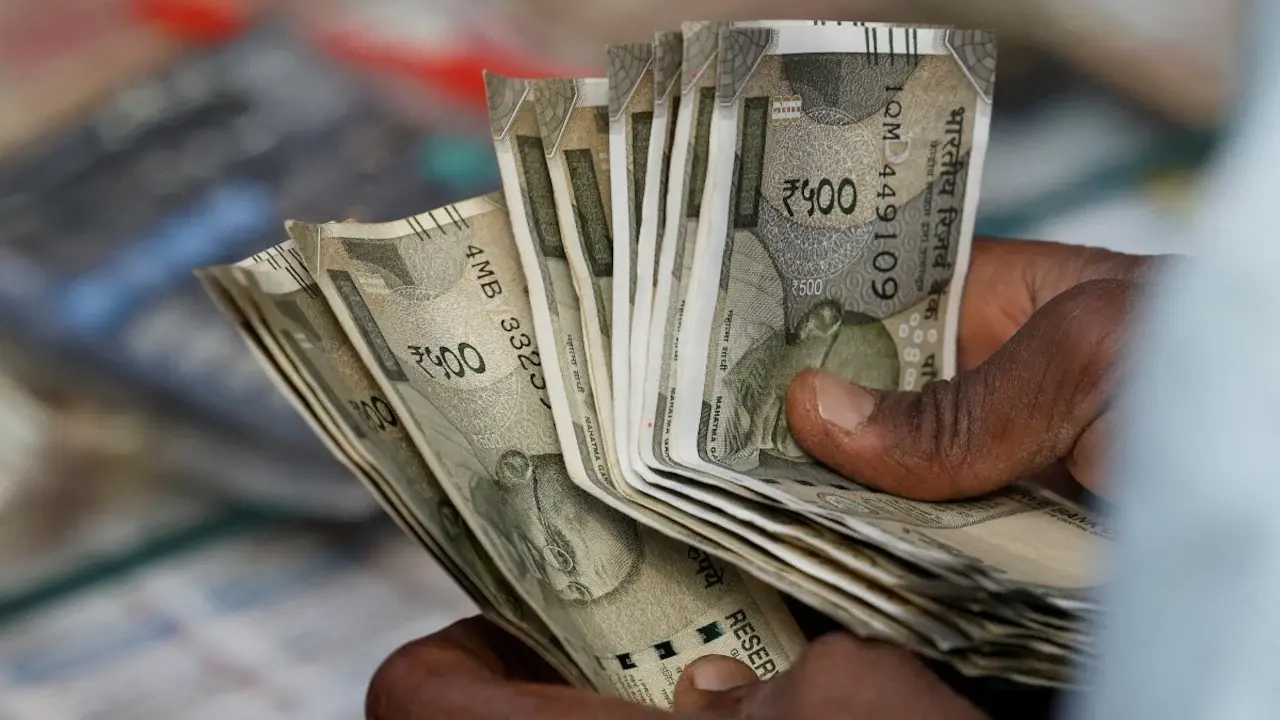
The Reserve Bank of India is preparing to launch a pilot project for polymer based currency notes, marking a significant step toward improving the durability and security of everyday cash. The trial is expected to focus on Rs 10 and Rs 20 notes, which are among the most frequently used denominations across the country.
Although digital payments have become a part of daily life, cash continues to play an important role, especially for small purchases and routine transactions. Because these lower denomination notes change hands frequently, they wear out quickly, become dirty and often need to be replaced. The proposed polymer notes are expected to address this long standing issue.
Most people believe Indian currency is made from paper, but the existing banknotes are actually produced using 100 percent cotton pulp. While these notes are economical to print, they are more vulnerable to moisture, dirt and frequent handling. Polymer notes, on the other hand, are printed on specially treated plastic based substrate sheets, making them more resistant to damage and capable of lasting much longer.
The initial production cost of polymer notes is expected to be higher than conventional currency. While printing a regular Rs 10 or Rs 20 note generally costs less than one rupee, a polymer note could cost between Rs 2 and Rs 6. However, their longer lifespan is expected to reduce the need for frequent reprinting, helping the government save substantial printing and replacement expenses over time.
The new notes are also expected to include advanced security features to make counterfeiting more difficult. These may include transparent windows, metallic numerals, magnetic security elements and shadow image technology, offering stronger protection than conventional banknotes.
The RBI has reportedly introduced strict eligibility conditions for companies participating in the project. Bidders must not have business or personnel links with China or Pakistan, and they cannot source raw materials from those countries. Companies from nations sharing a land border with India must also comply with the required government registration norms. In addition, suppliers will need to certify that the polymer material does not contain animal tallow or DNA based content.
Polymer currency has already been adopted successfully in several countries, including Australia, Canada and the United Kingdom, where the notes have demonstrated greater durability and improved security. India plans to conduct the pilot project in selected cities to evaluate how the new notes perform under local weather conditions and public usage patterns before considering a wider rollout across the country.