India Rejects Japan Former Minister Claims Over Mumbai Ahmedabad Bullet Train Delay
India strongly rejected allegations linking bullet train delays to officials stating construction is progressing steadily while cooperation with Japan remains positive and the first phase targets launch in August 2027.
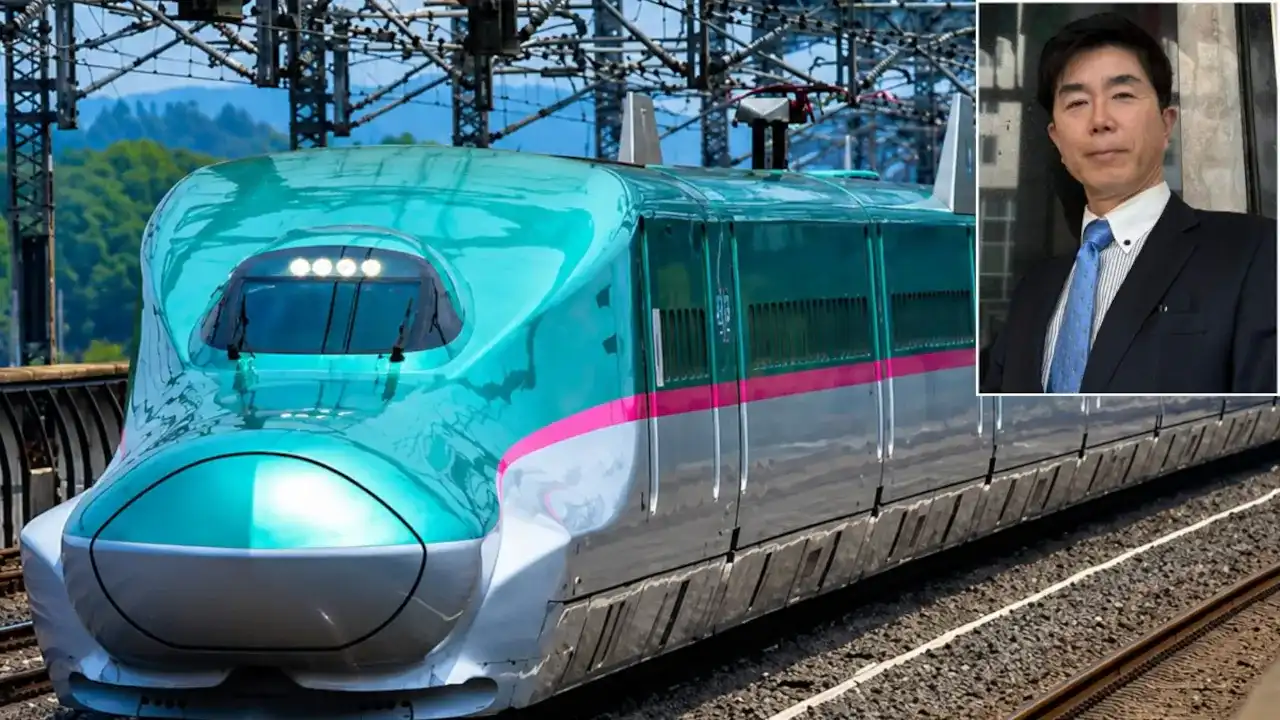
A fresh exchange of views has emerged between India and Japan over the ambitious Mumbai Ahmedabad High Speed Rail project after remarks made by former Japanese Justice Minister Hideki Makihara sparked debate. The former minister claimed that repeated delays in the project were mainly due to the approach of Indian officials and ministers. India, however, dismissed the allegations and maintained that work is progressing as planned.
Responding to the controversy, the Ministry of External Affairs said the comments reflected only a personal opinion and did not match the actual status of the project. Government spokesperson Randhir Jaiswal stated that discussions between India and Japan continue in a constructive manner and construction has gained momentum across multiple sections. He added that preparations are underway to launch the first phase of services on August 15 2027.
The controversy gained attention after Makihara reacted to an opinion article published in a Japanese business publication on July 15. Through a post on X, he said he had been directly involved with the Mumbai Ahmedabad bullet train project and alleged that promises made by the Indian side during international meetings were not consistently honoured. He further claimed that commitments changed frequently during discussions and suggested that personal interests were sometimes placed ahead of national priorities.
Another point of debate involved claims that Japan had been sidelined in supplying the signalling system for the project. India firmly rejected those suggestions, stating that signalling equipment has been ordered according to international standards and that no objections have been raised by the Japanese side regarding the procurement process.
The discussion was further fuelled by an opinion piece written by Japanese railway engineer and Delhi based metro consultant Isao Suzimura. He argued that the Indian project had gradually moved away from the original Japanese Shinkansen model. Suzimura also noted that although the project was inaugurated in 2017 with high expectations, officials were already aware that the original target of starting services in 2023 would be difficult to achieve.
The Mumbai Ahmedabad High Speed Rail Corridor is India’s first bullet train project and stretches over 508 kilometres. The route will connect Bandra Kurla Complex in Mumbai with Ahmedabad while passing through Maharashtra Gujarat and Dadra and Nagar Haveli. It will feature 12 stations, with trains designed to operate at speeds of up to 320 kilometres per hour, reducing travel time from nearly eight hours to about two hours.
The project is being financed with support from the Japan International Cooperation Agency, while Japanese Shinkansen technology forms the foundation for the track design, safety systems and operational standards. Despite earlier delays caused by land acquisition and administrative approvals, officials say construction is now moving at a much faster pace.
Authorities are currently focusing on completing the Surat to Bilimora section in Gujarat for the initial phase of operations. India also plans to expand its high speed rail network in the future by connecting major cities including Delhi Varanasi Bengaluru Chennai and Hyderabad. While the recent remarks have triggered discussion over India Japan infrastructure cooperation, the government insists the project remains firmly on track and public attention is now centred on when the country’s first bullet train will finally begin service.