
Flax Seeds May Support Heart Health, Digestion and Weight Management
Flax seeds provide plant based omega 3, fiber, protein and other nutrients that may support digestion, heart health, regular bowel movements and overall nutritional balance.
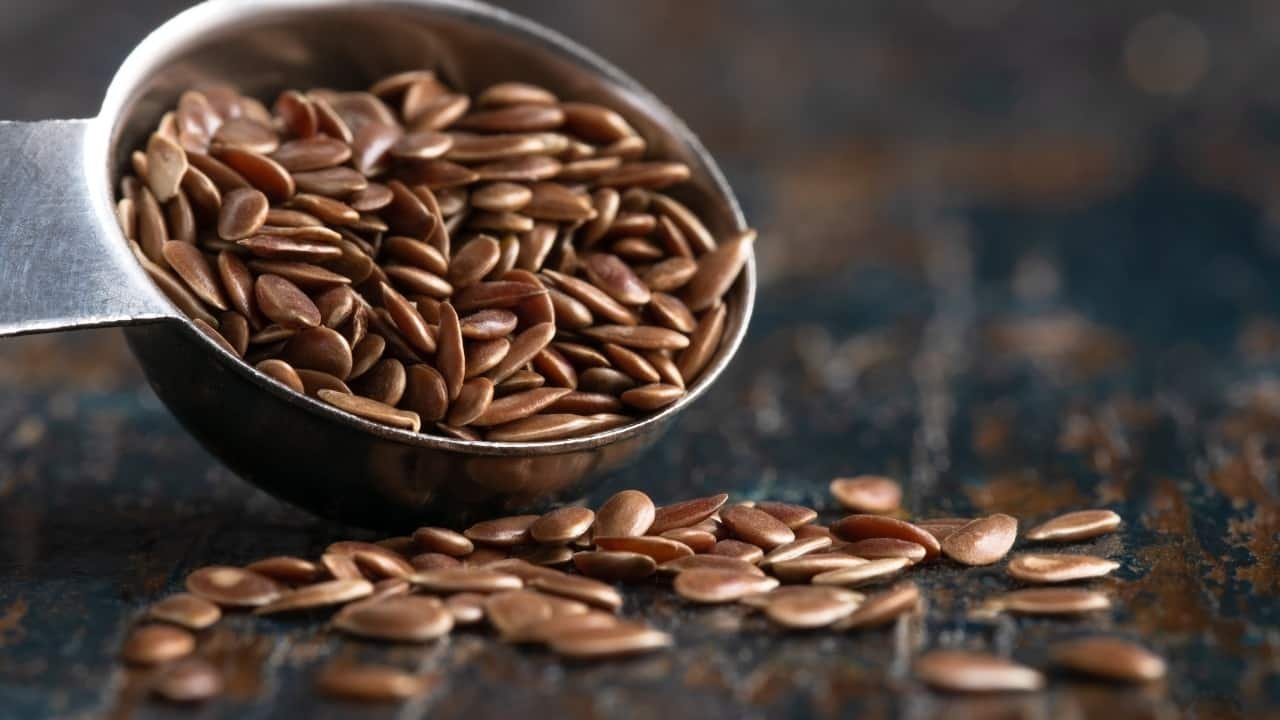
Flax seeds are small, but they pack a surprising amount of nutrition into a tiny serving. Also known as linseeds, they contain plant based omega 3 fatty acids, fiber, protein and several minerals. Adding them to a balanced diet may support digestion, heart health and overall nutrition.
The seeds are commonly available in brown and golden brown varieties. Both types offer broadly similar nutritional benefits. Because flax seeds contain natural oils, they are also used to produce flaxseed oil, although the oil does not provide the fiber found in whole seeds.
A useful source of omega 3 and fiber
One of the main nutritional highlights of flax seeds is alpha linolenic acid, commonly known as ALA. It is a plant based omega 3 fatty acid. The seeds also contain both soluble and insoluble fiber, along with protein and minerals.
A tablespoon of flax seeds weighing around 7 grams provides a modest amount of calories along with fiber and protein. The combination makes them an easy addition to everyday foods such as yogurt, cereals, smoothies, salads and homemade dishes.
May support heart health
Regularly including sources of unsaturated fats and fiber in the diet can be helpful for cardiovascular health. The ALA found in flax seeds is one of the plant based omega 3 fats that can contribute to a balanced diet.
Some research has also examined flax seeds for their potential effect on cholesterol levels and other cardiovascular risk factors. However, they should be viewed as one part of an overall healthy eating pattern rather than a treatment for heart disease.
Fiber can help digestion
Flax seeds are particularly useful for increasing dietary fiber intake. Fiber adds bulk to food and can help support regular bowel movements. When consumed with sufficient fluids, fiber rich foods may be helpful for people who occasionally experience constipation.
The fiber in flax seeds is also fermented by beneficial bacteria in the gut. This makes flax seeds an interesting food for supporting a healthy digestive environment.
Could help with appetite control
Because fiber can contribute to a feeling of fullness, flax seeds may fit well into meals for people trying to maintain a balanced eating routine. Adding a small amount to breakfast or another meal can increase the overall fiber content without requiring major changes to the diet.
Flax seeds are not a magic food for losing body fat. Weight management depends on the overall balance of food, activity, sleep and other lifestyle factors. Their value comes mainly from their nutrient and fiber content.
Lignans add another nutritional benefit
Flax seeds are among the richer dietary sources of lignans, plant compounds with antioxidant properties. Researchers have studied these compounds for their possible relationship with inflammation, hormone metabolism and certain long term health outcomes.
However, claims that flax seeds can prevent or cure cancer are not supported strongly enough to treat the food as a cancer prevention medicine. They can be included as part of a varied diet, but they should not replace medical care or recommended screening.
Minerals support normal body functions
Flax seeds also provide minerals such as magnesium and phosphorus. These nutrients have several important roles in the body, including supporting normal muscle, nerve and bone functions.
Getting these nutrients from a variety of foods is generally more useful than depending on one particular ingredient.
What about hair and skin
The healthy fats and other nutrients present in flax seeds contribute to overall nutrition, which indirectly supports normal skin and hair health. Some people also use flaxseed gel as a hair styling product.
There is limited evidence that eating flax seeds alone will dramatically improve hair growth or skin appearance. Their strongest nutritional advantage comes from the combination of fiber, ALA, protein and other plant compounds.
How to eat flax seeds
Whole flax seeds can be difficult for the body to fully break down, so ground flax seeds are often a convenient option. They can be mixed into smoothies, oatmeal, yogurt, salads or flour used for dishes such as chapati, dosa and idli.
Flaxseed oil contains ALA but does not contain the fiber and many of the other components present in whole or ground seeds. For that reason, whole or ground flax seeds can provide a broader nutritional profile.
It is also important to increase fiber gradually and drink enough fluids. People with certain digestive conditions, swallowing difficulties or specific dietary restrictions should check with a healthcare professional before making large changes to their fiber intake.
Overall, flax seeds are a simple food that can add useful nutrients to everyday meals. Their combination of plant based omega 3, fiber, protein and lignans makes them a worthwhile addition to a varied and balanced diet.