Footpaths Are Fundamental Right: Walking on Footpaths Is a Fundamental Right Says Supreme Court
Footpaths Are Fundamental Right: The Supreme Court ruled that safe footpaths are a fundamental right of citizens and stressed that authorities are legally responsible for providing and maintaining them.
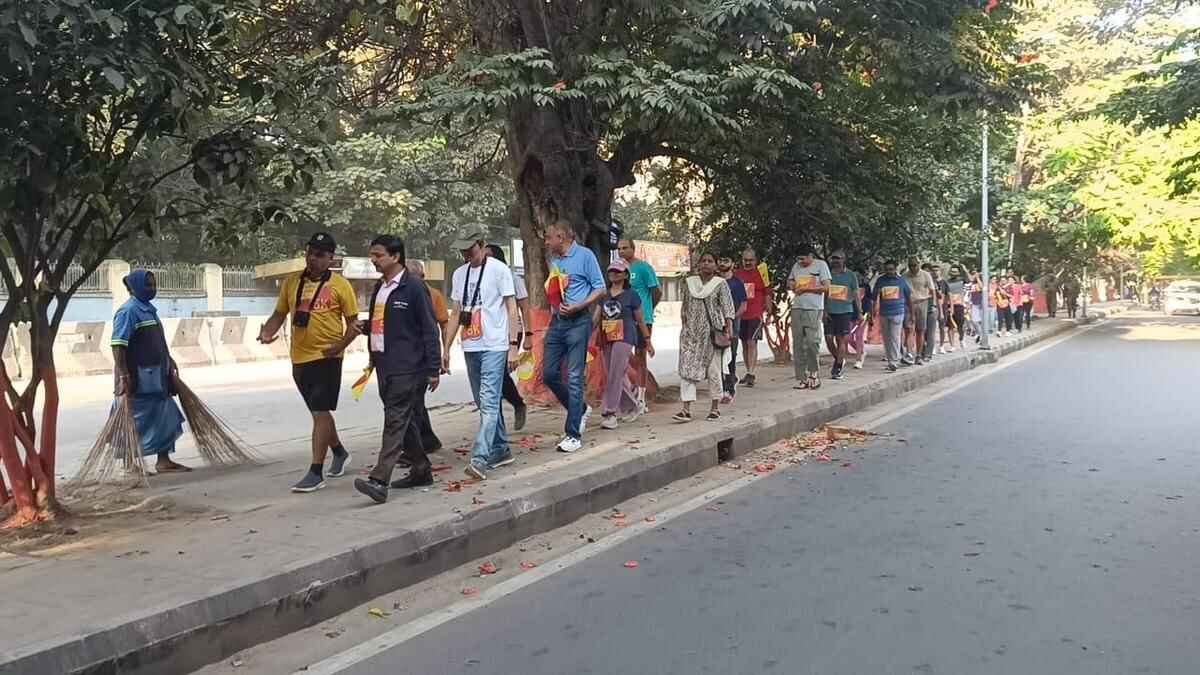
Footpaths Are Fundamental Right: In a significant ruling on pedestrian safety and public infrastructure, the Supreme Court has declared that walking on designated footpaths is a fundamental right guaranteed under the Constitution. The court emphasized that citizens have the right to move safely and that authorities are legally obligated to provide and maintain proper footpaths.
The observation came while hearing a compensation case related to the death of a five year old child who was struck by a tanker while walking to school with his father. The court noted that the accident occurred in an area where neither footpaths nor pedestrian crossings were available, exposing serious shortcomings in public infrastructure.
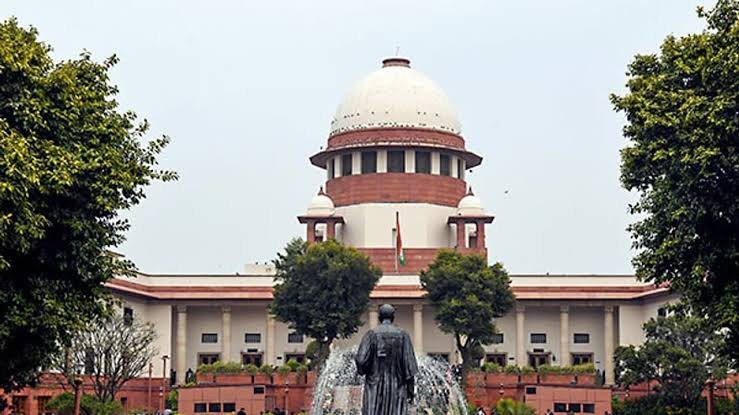
A bench comprising Justices P.S Narasimha and A.S Chandurkar stated that the right to walk safely forms an integral part of the constitutional right to move freely throughout the country. The judges observed that pedestrian rights deserve equal, if not greater, attention than vehicular movement on public roads.
According to the court, whenever a road is constructed, authorities must ensure the availability of dedicated footpaths for pedestrians. The bench stressed that this responsibility is not optional but a legal obligation that must be fulfilled in the interest of public safety.
Also read: HC Backs Telegram Ban: Delhi High Court Backs Telegram Ban Ahead of NEET Re Examination
The Supreme Court also pointed out that urban planning in India has historically prioritized motor vehicles while often overlooking the needs of pedestrians. As cities expanded, safe walking spaces gradually became limited, leaving pedestrians exposed to greater risks on busy roads.
In its order, the court enhanced the compensation payable to the child’s father to Rs 11.44 lakh and directed that the amount be paid within two months. The bench set aside a previous order that had reduced the compensation awarded in the case.
The judges further clarified that citizens can seek legal remedies if their right to access and use footpaths is violated. Individuals may approach courts against responsible authorities and seek restoration of their rights as well as compensation where applicable.
Highlighting the importance of pedestrian infrastructure, the court remarked that human beings walked long before the invention of motor vehicles. Therefore, the right to walk safely on dedicated footpaths remains a basic constitutional protection that must be preserved and strengthened.
The ruling is expected to have a wider impact on urban development policies and may encourage authorities to place greater emphasis on pedestrian friendly infrastructure across cities and towns.