US Green Card New Rules Require Applicants to Apply From Home Country
The United States has introduced new Green Card processing rules that may impact visa holders and immigrants by changing application procedures and tightening immigration system regulations nationwide.
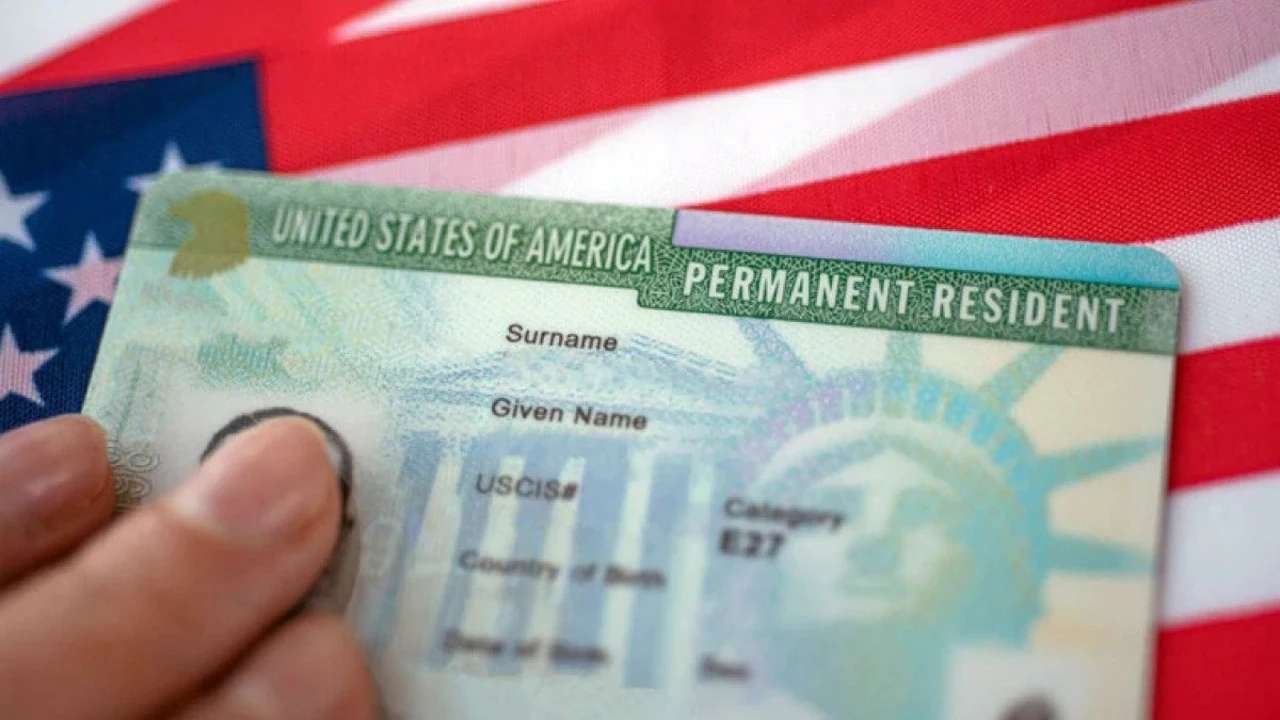
The United States has introduced a significant change in its immigration process with new Green Card rules that may affect thousands of visa holders and temporary residents. The latest policy is expected to reshape the way status changes and permanent residency applications are handled.
According to the updated guidance released by immigration authorities, individuals seeking a change in status will generally be required to complete the process from outside the United States through consular procedures. Officials indicated that only exceptional situations would be considered for exemptions.
The revised process is being presented as part of broader efforts aimed at strengthening immigration controls and reducing misuse of existing systems. Authorities stated that the move is intended to close gaps that previously allowed some temporary visitors and visa holders to remain in the country while seeking permanent residency benefits.
The change could create challenges for individuals who had hoped to continue staying in the United States while waiting for immigration decisions. Students, temporary workers, and visitors on certain visa categories may now have to return to their home countries and complete formal procedures through the Department of State.
Officials believe the updated approach can make the system more organized and efficient while reducing cases involving individuals who remain in the country after application issues arise. Supporters of the move say it follows the original intent of immigration law.
At the same time, critics argue that earlier procedures allowed families to remain together during lengthy application periods and that the new rules could create additional difficulties for many applicants. The latest announcement has already sparked discussions among immigration experts and affected communities.